Chronicle Editor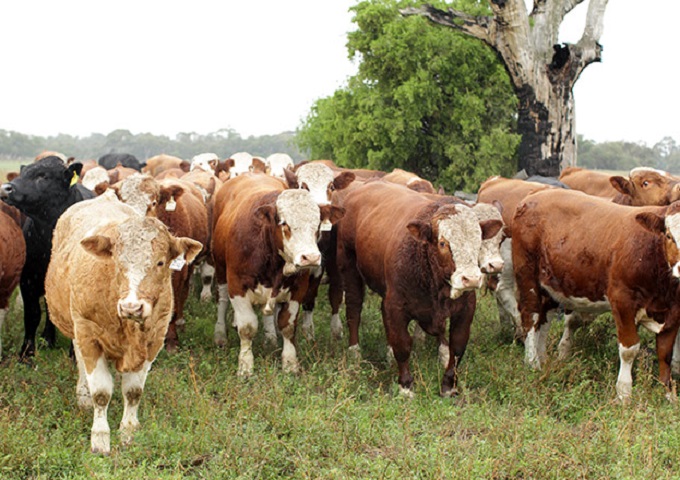
Lingani Nyika in Masvingo
FARMERS have been urged to implement mitigation measures to protect livestock from the prevailing weather conditions which are a threat to animal health and productivity.
The call comes at a time when Government has launched a programme to drill boreholes for livestock in Matabeleland South province where thousands of cattle have died due to drought.
An estimated 3 000 head of cattle have died in the province since October due to drought and Bulilima District is the worst affected having lost more than 1 000 head of cattle.
Weather experts predicted that most parts of the country will receive normal to below-normal rainfall due to the El Nino effects
In an interview, Masvingo provincial livestock specialist Mr Joseph Chipuri said due to extreme weather conditions, livestock is dying.
“The 2023/2024 rainy season has been predicted to be normal to below normal and the forecast is characterised by an increase in temperatures. In livestock production, these increased temperatures have led to heat stress which is one of the silent killers in livestock production,” he said.
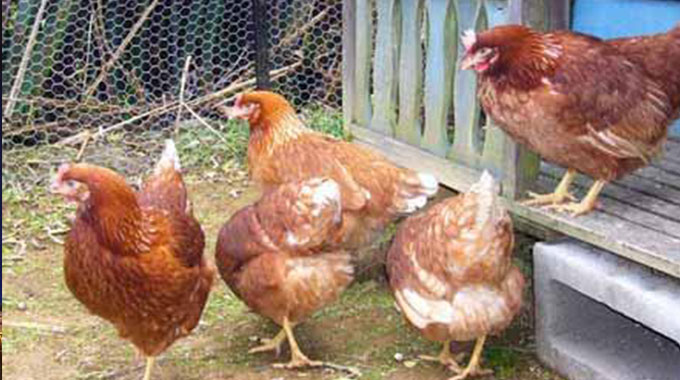
Mr Chipuri said this affects chickens’ health and reduces their productivity.
“In poultry, heat reduces growth in broilers and layers while also contributing to a series of physiological disturbances including systemic immune dysregulation, endocrine disorders, respiratory alkalosis, and electrolyte imbalance which affect health and production,” he said.
“Increase in temperatures leads to mortality, reduced egg production and feed intake.”
Climate change affects plants which has also negatively affected feed availability for animals causing significant deaths.
“Livestock production among smallholder farmers relies heavily on the rangeland, which makes up 90 percent of livestock basal feeds,” said Mr Chipuri.
“However, due to climate change, the rangeland is characterised by seasonal variability compromising feed quality and quantity which results in an acute feed shortage for close to six months of the year with drier parts of the province experiencing a lot of livestock poverty deaths.”
Livestock specialists have implemented measures to ensure livestock health is prioritised.
Mr Chipuri urges farmers to take heed of the measures to adapt to the new climate conditions.
“To mitigate such challenges, Government and some NGOs are promoting the use of homegrown fodder such as legumes, velvet bean, and feed formulations as well as adoption of small livestock,” he said.
“We advise farmers to take cognisance of some mitigatory measures which include ventilation, sprinkling water, and providing shade. The use of the right diets also aids in attenuating heat stress in poultry.”
Agricultural Rural Development and Advisory Services’ Masvingo provincial director Mr Nobert Masiiwa said due to little or no water, crops such as sorghum become hazardous to cattle if consumed.
“Sorghum contains a poisonous acid as a result of water deficiency, which is deadly when cattle consume the crop,” he said.
Mr Masiiwa urged farmers to protect their livestock and prevent them from eating the water-stressed plants.
“Water stress occurs in sorghum because the crop lacks sufficient water hence cattle should not eat the crop since it contains prussic acid, which is poisonous and deadly. Those who had planted sorghum should safeguard their livestock to ensure they do not feed on the crop,” said Mr Masiiwa.
Masvingo province is generally considered to be among the top five high-cattle-density areas in Zimbabwe.
As a result, there is a high volume of cattle business activity, ranging from large-scale commercial production and marketing to small-scale production.
While the province is still safe, food and water deficiency has reportedly already claimed several livestock in other regions.
Mr Masiiwa said although they have not reported rapid livestock deaths in the province, some hotspot districts are already a cause for concern.
“We have heard reports from Matabeleland South that cattle are dying from a shortage of food and water, but we haven’t heard concerns from Masvingo province regarding this. Nonetheless, we are concerned about Chiredzi and Mwenezi districts,” he said.



 Online Reporter