admin
admin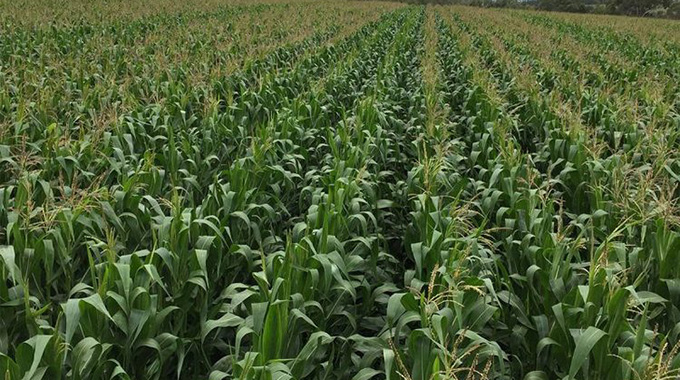
Elita Chikwati
Agriculture Reporter
As the rains end and vegetations starts drying, farmers and other land users must put in place proper preventive measures ahead of the fire season to protect the bumper harvest, environment and property as the good rains ensured there was a lot more vegetation that usual, increasing risk of serious veld fires this year.
Zimbabwe has set a target of a 25 percent reduction in land lost to veld fires this year, in line with the dictates of the National Development Strategy (NDS1) on reduction of land burnt by veld fires.
According to the Environmental Management Agency (EMA), the provinces at extreme risk to veld fires are Mashonaland West, Mashonaland East, Mashonaland Central and Manicaland, while the drier Matabeleland provinces, Midlands and Masvingo are still graded at high risk to veld fires.
The veld fire season in Zimbabwe stretches from 31 July to 31 October each year.
The high rainfall recorded this season resulted in increased crop yields and vegetation and this could be destroyed by veld fires if communities do not put in place preventive measures.
EMA environmental education and publicity manager Mrs Amkela Sidange said some of the fire preventive measures include putting in place standard fireguards and reducing fuel load through hay baling and thatch grass combing.
“By so doing, the country would be putting necessary safeguards around its food security, lives and the environment at large,” she said. “The time to do all this is now before the rangeland dries up and the weather becomes windy and hot, thus also becoming conducive to veld fire outbreaks.
“EMA will also go on an intensive education and awareness raising programme to sensitise communities in fire prone areas on veld fire prevention.”
Support will also be given to communities in implementing pilot veld fire management projects such as fireguard construction, hay baling and thatch grass combing; as well as serving out Environmental Protection Orders to land owners, users and land occupiers as reminders to put in place all necessary veld fire prevention measures before the onset of the fire season.
Failure to do so will result in prosecution under existing laws.
“Veld fires remain a major environmental and socio-economic threat to Zimbabwe as the country continues to lose considerable amount of land to veld fires each year,” she said.
“Over the years, the country has been losing over a million hectares of land every year, except notably in 2020 when 806 457.8 hectares were lost translating to a 30.38 percent positive decrease from the 2019 season.”
She said the rainy season now ending had good rains with the country receiving normal to above normal rainfall.
A projected record harvest of staple crops and significant output of both cash crops and traditional grains has been made.
“The celebration can be cut short by the impending threats from veld fires this year if necessary fire prevention measures are not put in place in time,” she said.
“EMA has since developed a fire risk prediction for 2021 using Geo Information System (GIS) and satellite images indicate high values of biomass on the ground, even in areas that traditionally had low biomass.
” This implies that when using biomass as a proxy for fuel load, then the country is highly vulnerable to veld fires this fire season as projection show that the country is generally in the high (65.2 percent) to extreme risk (24.7 percent) to veld fire outbreaks in the 2021 season as compared to the medium (43.3 percent) to high (23.1 percent) fire risk projected in 2020.”



 Online Reporter