


 Online Reporter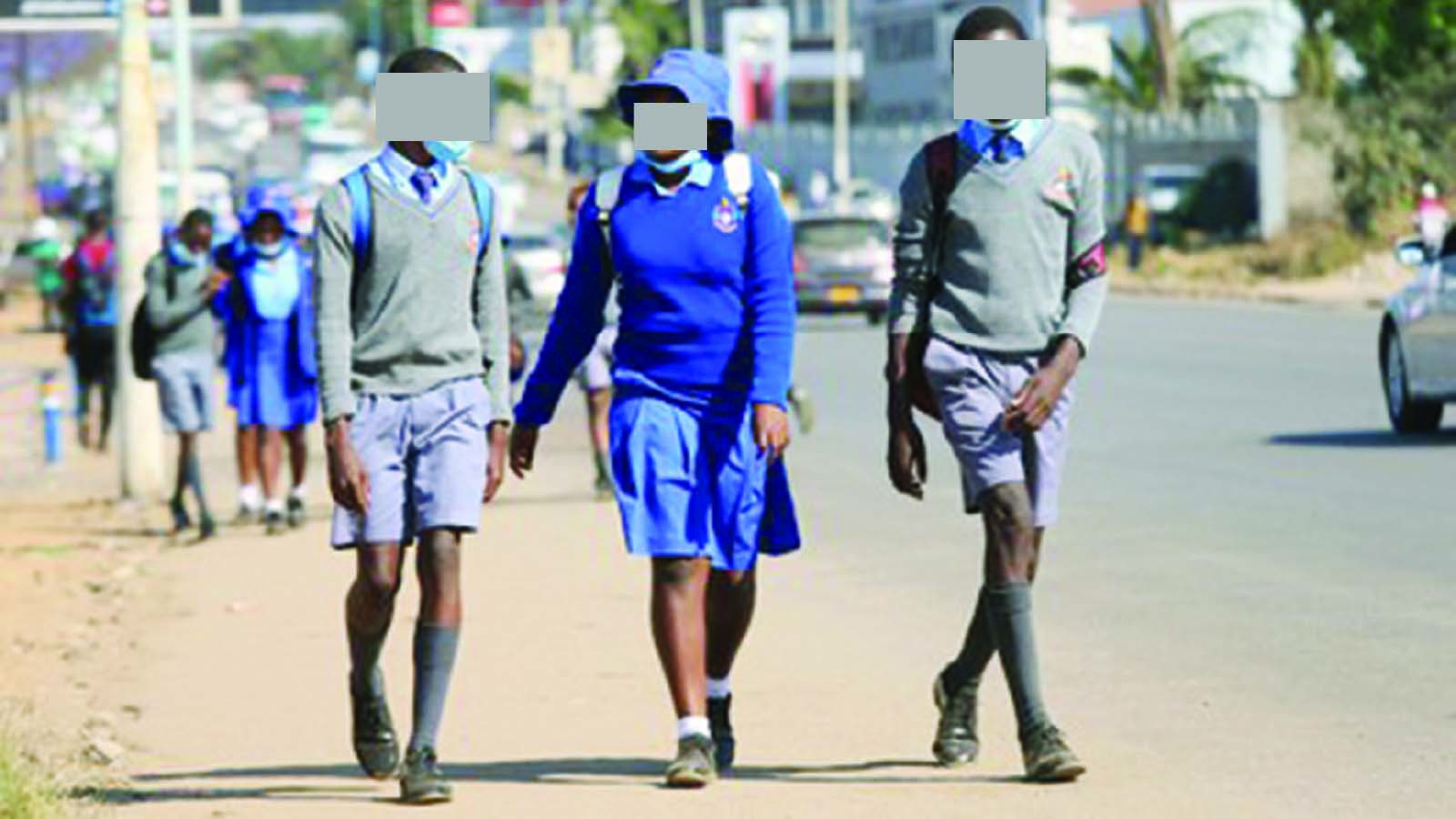
‘To stop this, the response must go beyond policing. There is a need for psychological counselling in schools, community mentorship programmes, family support interventions and structured recreational activities that positively engage youths after school hours.” — Clinical psychologist Prosper Nyamakate
Ivan Zhakata
Check Point Desk
TEENAGE gangs have become a pervasive menace that demands urgent attention.
These rogue youngsters seem to have embraced a lifestyle defined by violence, substance abuse and terror, spreading fear in communities, schools and cities.
While gang activity was once linked to suburbs like Mbare, Rugare, Mufakose and Glen Norah, it has now spread to the heart of the city.
These groups, consisting primarily of school-going youths and recent dropouts, are reportedly targeting lone learners and young pedestrians in downtown Harare.
It is now common to see packs of teenagers loitering around busy bus ranks and shopping centres.
These groups allegedly intimidate passers-by, instigate violent brawls and openly engage in drug use.
Sibongile Kaitano from Mbare said the gangs have become a daily menace.
“These boys are everywhere now — in the locations, in town and even at the parks. They move in groups, shouting, smoking and sometimes attacking anyone they suspect belongs to another group or school,” she said.
Public parks are no longer a safe space.
Parents lament that children can no longer play freely for fear of harassment.
From school rivalries to organised violence
While friction between learners of different schools is not a new phenomenon, the culture of “legacy rivalries” seems to be worsening.
A few years ago, learners from Morgan High School in Arcadia engaged in running battles with “rivals” from Churchill School.
Adults had to step in to stop the clashes.
In remote districts, learners from day schools often clash with those from boarding educational institutions because of a perceived “elitist” divide.
These tensions frequently boil over during inter-school sporting competitions, turning events meant for camaraderie into arenas for conflict.
The current rift between Churchill School and Allan Wilson High School has reached fever pitch.
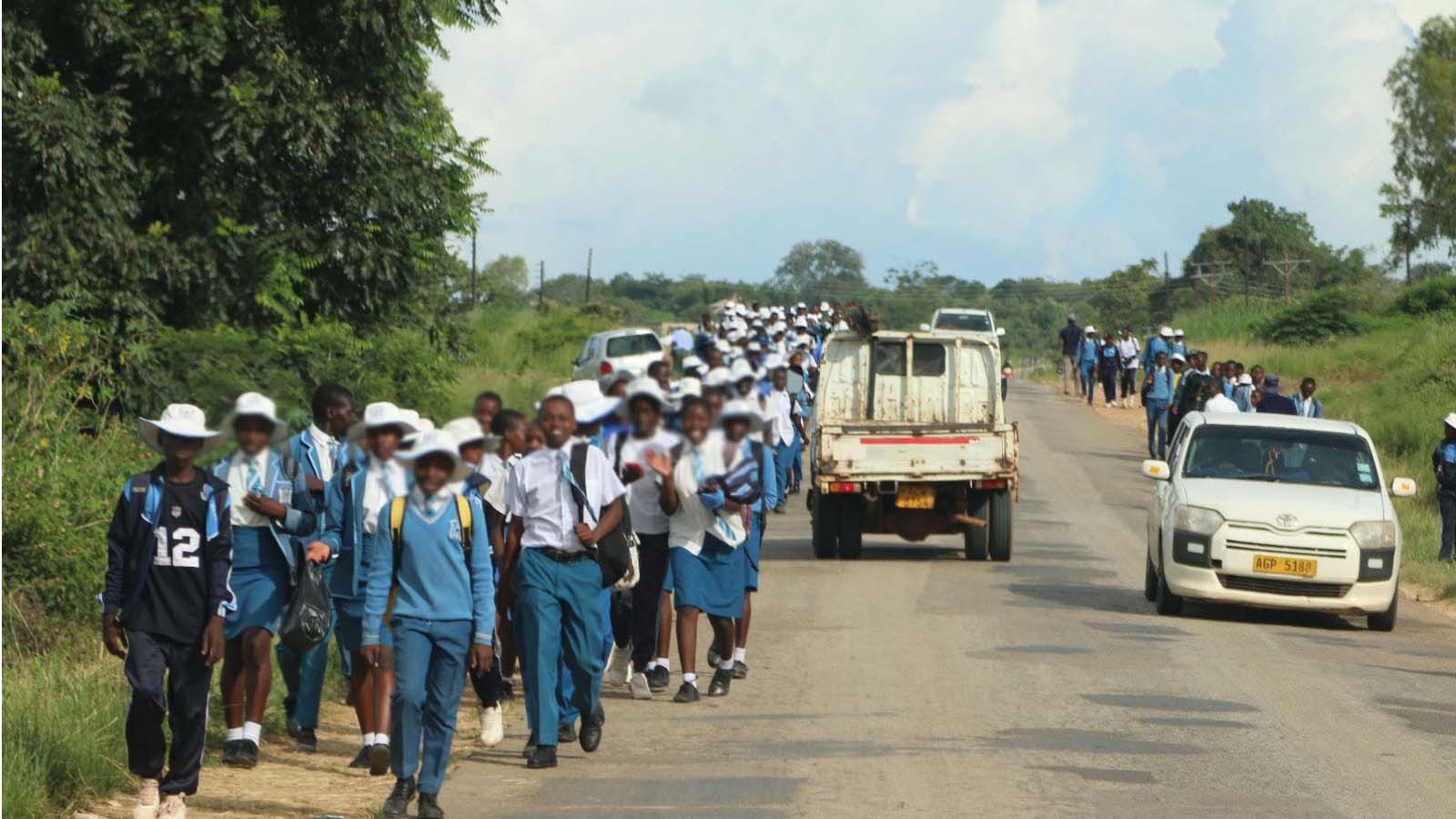
Learners from both institutions now move in large groups to protect themselves.
“If a learner from either school is caught alone by the opposing group, they are beaten. That is why we walk in gangs when going home or heading into town,” revealed one learner, who elected to remain anonymous.
Observers point to a lethal cocktail of long-standing rivalries, peer pressure and the escalating drug epidemic as primary drivers of the crisis.
Director of communications and advocacy in the Ministry of Primary and Secondary Education Taungana Ndoro expressed concern over the emerging criminal trends.
“The ministry condemns, in the strongest possible terms, any form of violence, gangsterism and bullying within or outside our learning institutions,” he said.
“Our schools are mandated to be safe havens. The prevalence of such ‘untoward behaviour’ is a direct affront to the fundamental right to education and reflects a broader societal challenge that we must address collectively.”
Multi-faceted strategy
Ndoro said the ministry is determined to prevent schools from becoming breeding grounds for what he termed “little monsters”.
Central to efforts to eliminate this vice, the Government is championing the “Not in My School” national campaign.
Launched by Primary and Secondary Education Deputy Minister Angeline Gata, this flagship initiative moves beyond mere policy talk to deliver tangible interventions.
The campaign is currently being rolled out across all provinces, with a focus on fostering a culture of mutual respect to replace the “pride” found in violence.
“It focuses on strengthening support systems for victims. This campaign has a clear focus on eradicating the very behaviour being reported,” he said.
Any learner found participating in or inciting such violence, added Ndoro, will face the full disciplinary measures as prescribed by the law and school regulations.
“In parallel, we continue to work closely with the Zimbabwe Republic Police, which has issued stern warnings against public fights and gang-related activities by schoolchildren and has deployed resources to prevent such gatherings. The ministry is resolute. We will not relent in our efforts to protect our children and uphold the integrity of our education system. All specific allegations of inter-school conflict will be investigated by provincial authorities.”
Root causes
Investigations in Mbare, Rugare and Glen Norah reveal a darker reality fuelling the aggression.
Many gang members are heavily abusing substances, including marijuana, crystal meth (mutoriro) and illicit cough syrups.
Substance abuse significantly lowers inhibitions and increases the frequency of unprovoked attacks.
Social workers and community leaders, including youth development officer Roland Gurenje, argue that the crisis is a symptom of deeper societal issues.
“Many of these children are growing up without adequate parental guidance and support systems. The gangs give them a sense of belonging, power and protection, but it is a dangerous path that often leads to crime and substance abuse,” said Gurenje.
While the ministry’s campaign is a step in the right direction, residents insist that the intervention must extend beyond the school gates.
Public parks
Public parks and the city centre remain high-risk zones where gangs operate with increasing visibility.
It is believed that without a combination of community-led programmes, stronger parental involvement and robust school-based counselling, the menace might turn into a bigger crisis.
However, Harare provincial police spokesperson Inspector Luckmore Chakanza encouraged the public to report all cases of harassment and violence by teenage gangs.
“People are not coming forward, so we end up without records of such incidents. For example, if someone has their wig snatched or is harassed by young people, they often take it lightly and ignore it,” Insp Chakanza said.
“We encourage members of the public to report such cases so that we can act. Whenever these issues happen — even if they involve school-going children — they should be reported so that we can engage with the responsible authorities.”
Harare-based clinical psychologist Prosper Nyamakate said the behaviour exhibited by teenage gangs points to deeper social and emotional challenges affecting young people.
“Most of these youths are not engaging in violence for its own sake. In many cases, it is a manifestation of unresolved trauma, lack of identity, peer pressure and the need for belonging,” he explained.
Nyamakate noted that some of the youngsters are highly influenced by their environment and social circles.
“When children grow up in environments marked by poverty, family instability, exposure to violence and limited supervision, they are more likely to seek acceptance and protection from peer groups — even dangerous ones such as gangs. The group gives them a sense of identity, status and emotional security,” he said.
He added that the rise in school-based rivalries and street gang culture in the central business district (CBD) and recreational spaces such as the Harare Gardens reflects a breakdown in social support systems.
“To stop this, the response must go beyond policing. There is a need for psychological counselling in schools, community mentorship programmes, family support interventions and structured recreational activities that positively engage youths after school hours,” Nyamakate emphasised.
He urged schools to urgently introduce conflict-resolution programmes, anger-management sessions and peer counselling initiatives to help learners cope with aggression and social pressure.
Evidence reviews, he added, show cognitive and behavioural approaches such as anger management, problem-solving and life skills training are commonly recommended for reducing youth delinquency and the risk of gang involvement.
“If we only respond with punishment, we risk driving them deeper into gang structures.
“What these young people need is early intervention, guidance and a support system that makes them feel seen and valued.”




Why don’t we be explicitly clear that the root cause of this bad and dangerous behaviour by students lies with poor parenting and poor strategies adopted by the government in running the entire educational system? Teachers aren’t doing what they used to do. They can no longer discipline an errant student. Teachers aren’t teachers anymore. They have become mercenaries who are not interested in shaping up a complete student, preferring to turn the profession into a money making venture. They don’t spend as much time as needed with children. One will notice that as early are 11:00 in the morning, streets in towns and cities, townships and industrial areas are full of uniformed school children loitering around claiming to have finished lessons at school and would take “homework” to do at home. Parents no longer care where their children would be at any one time or what they will be doing. It is not a secret that this behaviour is promoted by this lack of discipline in schools, households and communities at large. As a nation, our problem is we talk and talk and talk with no effective action. We are not implementing strategies that are effective. For instance how do we expect to control drug abuse when we treat addicts like patients? Addicts are criminals. They would have broken the law. Why do we seem to celebrate their behaviour? The same with school gangsterism. We know which schools participate in these criminal activities and instead of taking direct action and ensure that these little rascals are brought to book, we seem to give them an open platform to continue with their criminal activities. Are we saying we don’t know the students that participate in these gang related activities? Oh yes by the way, if we can’t see illegal miners, how can we know who the bad students are? It’s a Zimbabwe culture to talk about criminals as if they are invisible.