admin
admin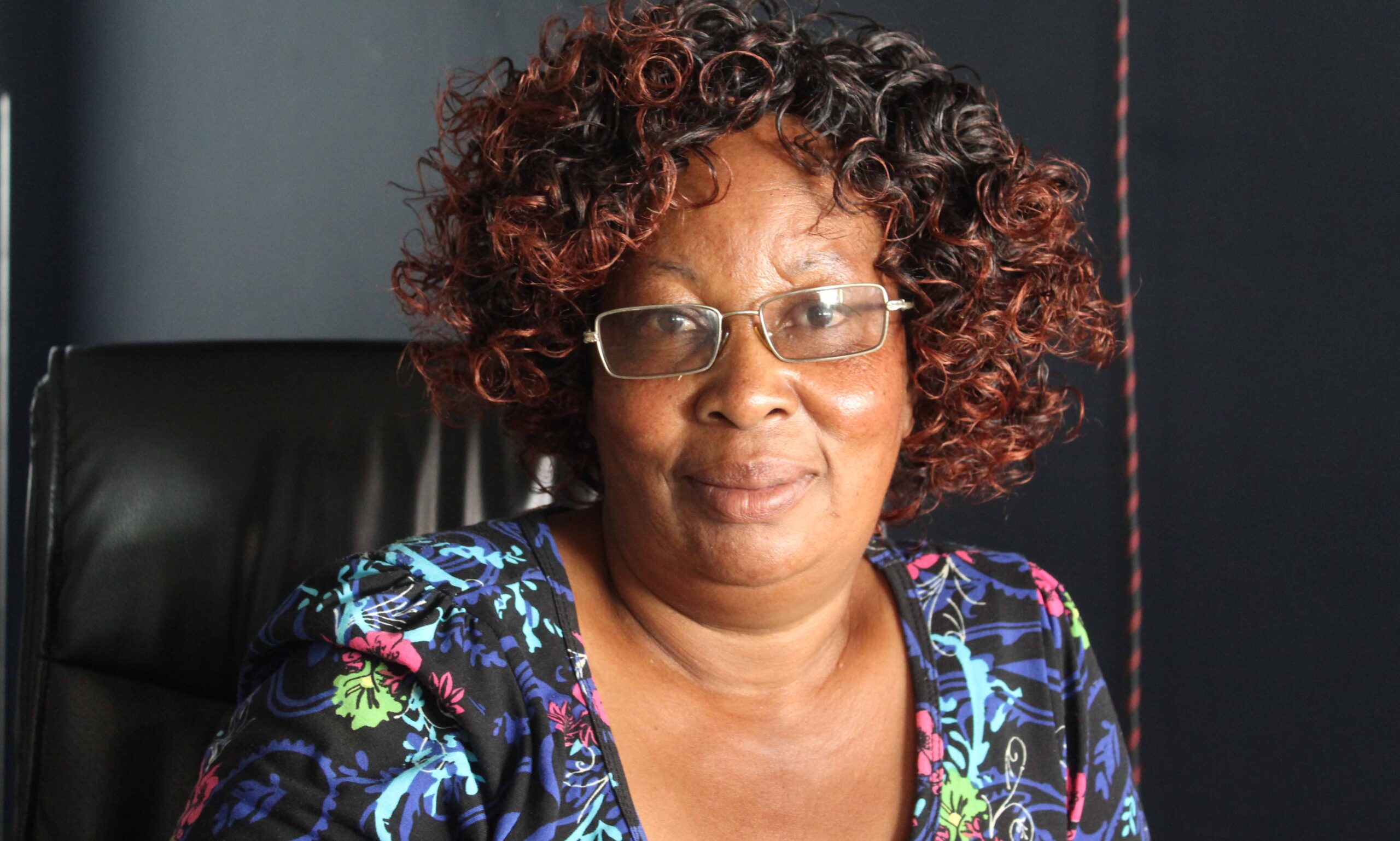
Tendai Gukutikwa
Post Reporter
WOMEN face many obstacles to enter the political sphere in Zimbabwe, where patriarchy and violence dominate the political culture.
Speaking recently during a Women Political Training and Mentorship programme in Mutare, Zimbabwe Gender Commission chief executive officer, Mrs Virginia Muwanigwa said although the country has provided great national policies and laws that provide a bedrock to support equality between women and men in politics and leadership, some barriers are still limiting women from participating in politics.
She said chief among these barriers was the underplaying of the importance of women’s participation in politics, which is rooted in patriarchy.
“In our work as the Zimbabwe Gender Commission, we have noted that despite the fact that women in Zimbabwe want to participate in politics at different levels, a number of persistent barriers continue to hinder their full and effective participation in politics and public life.
“The media and patriarchy, among other hindrances, tries to play down the voices of women and hinders them from entering the political fray,” she said.
However, some women have managed to overcome these challenges and become inspirational leaders for their communities.
One such example is Councillor Winmore Tendai Idea Mushakavanhu, who represents Mutare Rural District Ward 33.
She has been a Councillor since 2013.
Mutare Rural District Council has 36 councillors, with 35 of them being men.
Councillor Mushakavanhu, a strong advocate for female participation in politics, is the only female in the council.
Despite this, Councillor Mushakavanhu has been a catalyst for development in her area, initiating projects such as schools and clinics construction, as well as roads rehabilitation.
She has also been an advocate for girls’ education by leading in the construction of Mutore Secondary School.
She has helped the girl child to get access to education while staying at home and travelling shorter distances to school.
“I have the girl child and women at heart and I believe if we put women in power, the development of the nation will be better. Women are in the majority but we are the most disadvantaged by the decisions that are made by men as they occupy most leadership and political positions,” she said.
Councillor Mushakavanhu has also spearheaded the formation of four satellite health posts in her Ward that only has two clinics.
“Pregnant women were facing challenges in accessing health services as the nearest health posts were more than 10km from us. I approached the Ministry of Health and Child Care and they authorised us to set up four health posts which are closer to the people. After we set them up, the Health Ministry then officially put their staff and infrastructure and today our people are enjoying easier access to health services,” she said.
Councillor Mushakavanhu’s success shows that women can break through gender barriers and make a positive difference in politics.
However, those that do make it in politics struggle with the patriarchal systems and structure of politics that usually make it hard to strike a balance between work and family.
For Councillor Mushakavanhu, she has never had to choose between her family and her work.
“My race as a female politician has been hard but the support that my family has given me since I started has been overwhelming and I believe because of that, I ignored all the patriarchal downfalls and stood up to challenge it,” she said.
Councillor Mushakavanhu believes she will come out successful in the upcoming elections.
“I love politics; I was born into politics. I am a war veteran and will not leave politics until God says so but I will keep transforming my area and country while representing women,” she said.
Zanu PF national secretary for finance, Cde Patrick Chinamasa recently bemoaned the low number of women taking up political positions in Manicaland.
Cde Chinamasa said it is sad that out of the 26 candidates who will be representing the ruling party in the upcoming harmonised elections at National Assembly level in Manicaland, only two are women.
He said this hinders equal representation.
CdeChinamasa said this shows that more still needs to be done in encouraging women to enter politics.
“The percentage of women who came out successful during the primary elections in Manicaland is sad. It has showed us that we have a long way to go in empowering women to take up positions in politics.
“I hope that in future, as a society we will be better placed to look at women in greater light and vote them into power. After all, they do all the work and men take all the credit. It is something that needs to be corrected in future,” he said.
The Zimbabwean Constitution seeks to promote gender balance in all spheres.


 Online Reporter