Online Reporter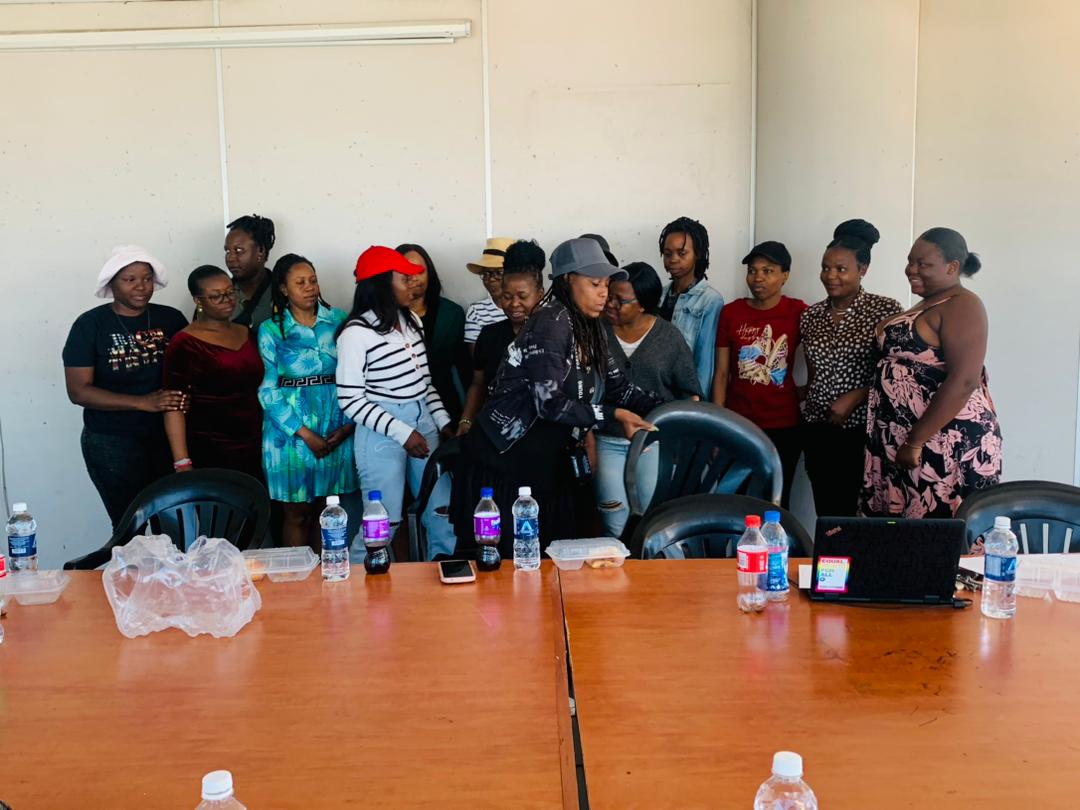
Patience Ndlovu
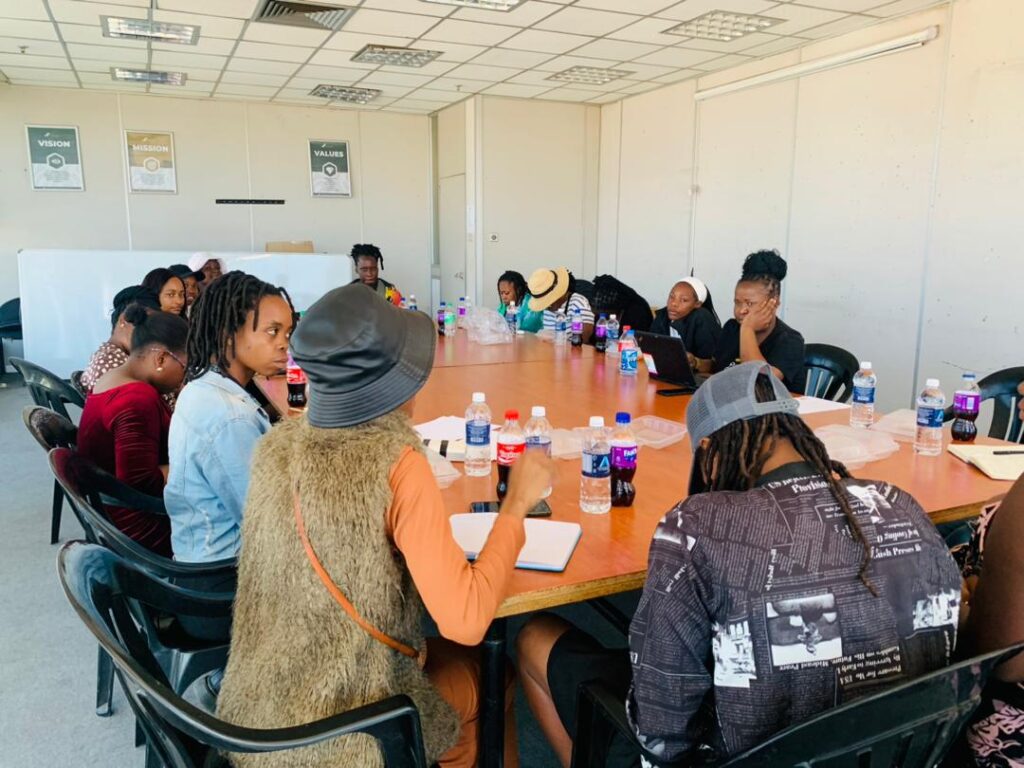
The Zimbabwe Women’s Resource Centre and Network (ZWRCN), in partnership with Pada Platform and Youths for Innovation Trust, recently hosted a session dubbed “Feminist Tech Brown Bag” to tackle the growing threats women face in digital spaces.
The gathering brought together survivors, activists and feminist leaders to share experiences and explore strategies for feminist care, healing, and digital resilience. It created a safe platform for women who have experienced technology-facilitated gender-based violence to speak out and co-design practical approaches for their online safety.
Participants acknowledged that while the internet has unlocked opportunities for women to learn, connect and advocate, it has also exposed them to risks such as cyberbullying, online harassment, stalking, identity theft and gender-based violence.
These threats, they warned, continue to silence women’s voices, leaving behind fear, trauma, and self-censorship.
Speaking at the event, ZWRCN executive director Ms Thokozile Ruzvidzo stressed the urgency of building resilience and safer digital environments.
Technology should empower women, not harm them. We must develop collective strategies that ensure women can express themselves without fear of intimidation or harassment. For instance, too many women are abused online simply for how they dress or choose to express themselves,” she said.
Ms Ruzvidzo said women should not be punished for exercising their freedom of expression.
Other contributors echoed the call for solidarity, emphasising the importance of women uplifting one another online.
“We shouldn’t be our own enemies. We must be each other’s shoulders to lean on. I have noticed much of the hate speech on the internet comes from women directed at other women,” said one participant.
“We must stop being the reason why others fall victim to technology-facilitated gender-based violence.”
The session also offered women a supportive space to share coping mechanisms grounded in feminist care and healing. These included stronger digital security practices, self-care routines, spending time with loved ones, emotional regulation, and physical activities.
Closing the discussion, Ms Ruzvidzo urged women to support one another, report cases of online abuse, and continue pushing for inclusive digital policies.
“We must build collective strategies that allow women to express themselves without fear of intimidation or harassment,” she emphasised.