Conrad Mupesa
Mashonaland West Bureau
THE fight against drug and substance abuse in Mashonaland West Province is gathering momentum, with a Training of Trainers workshop underway in Chegutu to strengthen the capacity of district-level structures to tackle the scourge.
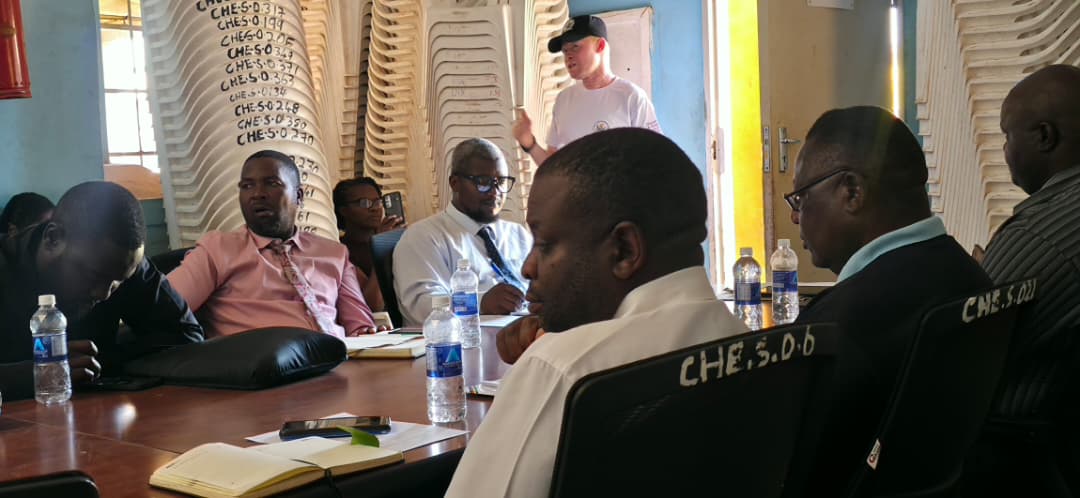
The workshop, being held at the Chegutu District Development Coordinator’s boardroom, brings together members of the inter-ministerial task force, including officials from the Ministry of Home Affairs, the Department of Social Welfare and the Ministry of Information, Publicity and Broadcasting Services.
The training seeks to equip participants with the knowledge and skills needed to effectively implement drug and substance abuse prevention and intervention programmes in their respective communities.
The team will cascade the information gathered down to ward and village levels. It is also aimed at strengthening the capacity of trainers within sub-national structures to address drug and substance use through coordinated, evidence-based interventions.
Mr Tichaona Chiwiro, deputy director in the Office of the Minister of State for Mashonaland West Provincial Affairs and Devolution, who is chairing the workshop, said similar training sessions had already been conducted in Kariba and Hurungwe districts.
“We want to equip trainers with up-to-date knowledge on the prevention, treatment and rehabilitation of drug and substance use while, at the same time, promoting the development of localised training materials tailored to specific community needs,” he said.
“The ToT is also aimed at fostering collaboration and knowledge-sharing among trainers, stakeholders and service providers.”
The Chegutu workshop is part of broader provincial efforts to strengthen the implementation of evidence-based interventions at district and community levels.
The Government has identified seven pillars in its response to drug and substance abuse: supply reduction, demand reduction, harm reduction, community reintegration, policy and legal enforcement, media and communication, and resource mobilisation and economic strengthening.
The pillars provide a framework for coordinated interventions, bringing together law enforcement agencies, Government departments, communities and other stakeholders to address both the supply of drugs and the factors driving substance use.
Research conducted by the Zimbabwe government, presented in the draft, indicates that one in three people is aware of drug availability, supply and use, highlighting the need for sustained public awareness and community-based interventions.