Theseus Mauruki Shambare in VICTORIA FALLS
TOBACCO researchers are promoting water-saving seedling production technologies capable of reducing consumption by up to 75 percent as the industry responds to growing climate change pressures.
The technologies, which include mother-bed, floating-tray and poly-pot systems are aimed at conserving water, improving seedling quality and helping farmers sustain production amid increasingly unpredictable weather patterns.
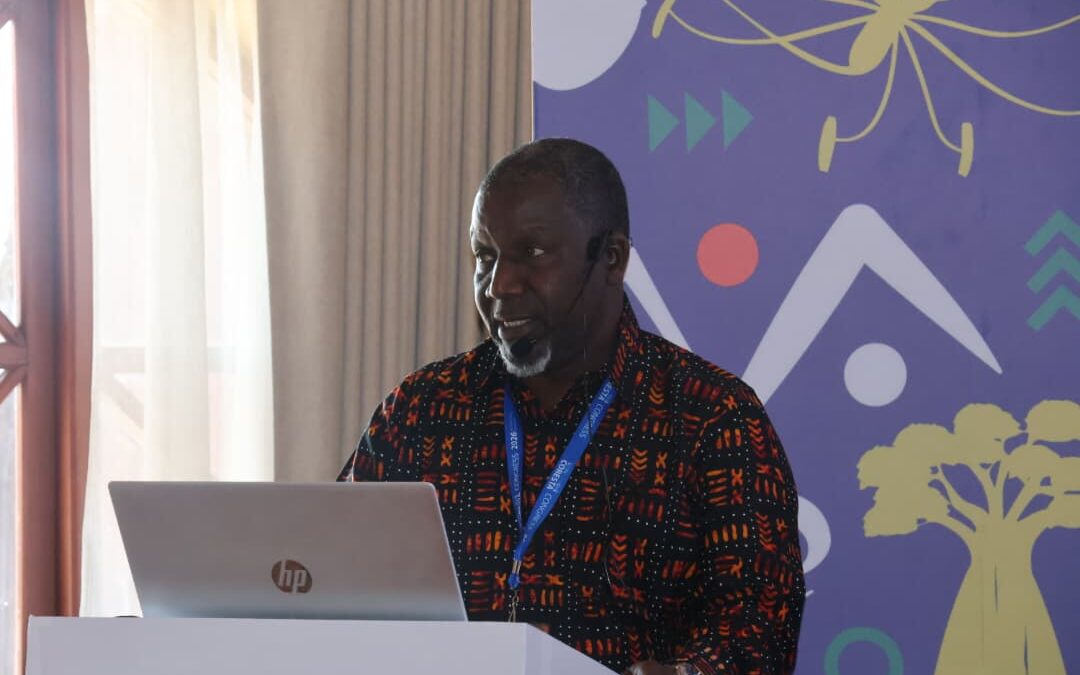
Presenting at the ongoing 70th Cooperation Centre for Scientific Research Relative to Tobacco (CORESTA) Congress in Victoria Falls, Malawi Agricultural Research and Extension Trust (ARET) chief executive Dr Albert Changaya said efficient seedling production methods were critical to addressing water challenges confronting growers.
He said the mother-bed system, which involved initially raising seedlings on a smaller bed before transferring them to larger beds, could save between 40 and 50 percent of water while producing stronger seedlings with higher survival rates.
“They become more resilient and very strong and the survival rate is very high,” said Changaya.
“The floating-tray system also uses less water while producing quality seedlings. With the floating-tray system, you produce very good seedlings, you use less water,” he said.
However, the poly-pot system offers the highest water savings, reducing consumption by up to 75 percent.
The method involves raising seedlings in a mother bed before transferring them into individual pots. It requires about 40 metres of seedbed per hectare and can produce between 14 000 and 18 000 seedlings.
Dr Changaya said the technologies were particularly important as farmers grappled with climate-related production pressures and rising input costs.
He also called for planting decisions to be guided by weather forecasts rather than relying solely on traditional planting calendars.
He said dry planting, which involved transplanting seedlings ahead of effective rains where adequate water is available, could give farmers a production advantage.
“Even if you come in a day or two before the rains start, the yield difference is huge,” he said, adding that farmers could realise about 10 percent more yield.
The presentation also highlighted the importance of appropriate fertiliser application, regular field monitoring and integrated pest management in protecting crop performance.
Dr Changaya said the region needed technologies adapted to local conditions and capable of helping farmers maintain productivity under changing climatic conditions.
The 70th CORESTA Congress has brought together researchers, scientists and industry representatives to discuss emerging challenges and innovations shaping the global tobacco sector.