admin
admin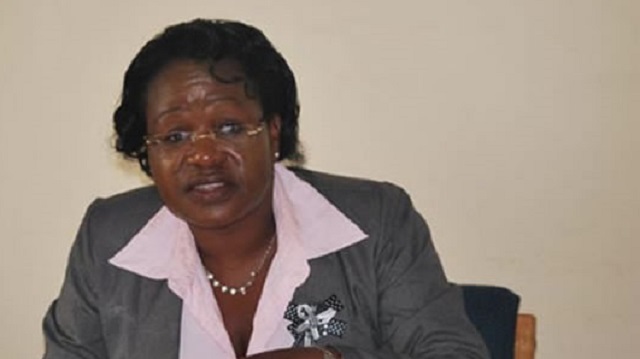
Tendai Bhebe, Sunday News Reporter
THE Ministry of Health and Child Care will continue to implement short and long term measures to fight diarrhoea and bilharzia, diseases that are prevalent in the rainy season, an official has said.
In an interview last week, head of Epidemiology and Disease Control in the Ministry of Health and Child Care, Dr Portia Manangazira said pre-season alert campaigns to ensure awareness have already started.
“We will be advocating for strategic interventions that address the determinants and contribute towards elimination of the diseases. Again we are going to continue with our Epidemiological Profiling of Preventable Diseases and developing Public Health interventions to address them while availing case management guidelines to ensure effectiveness in management of all cases. For childhood diarrhoea, the ministry has maintained a well performing immunisation programme to ensure the health of all children. As you know we give rotavirus vaccination to all children aged 10 and 14 weeks, measles at nine months, also guards against diarrhoea and malnutrition,” she said.
According to World Health Organisation, water borne diseases are linked to significant disease burden worldwide. Water borne diarrhoeal diseases, for example, are responsible for 2 million deaths each year, with a majority occurring in children under five years. Dr Manangazira said the ministry has been conducting surveys over the years in an aim to monitor the effectiveness of the treatments.
“For bilharzia we had prevalence in 55 out of the country’s 63 districts in a 2010 national survey, but since 2012 we conducted six annual mass treatments in all children 15 years and below. In 2018 we are conducting a re-survey to assess the impact of the treatments. We will therefore know soon whether or not to continue or to provide case by case treatment in the expected scenario that the mass treatments have brought down prevalence to levels of no public health significance”.
She said children below the age of five years are mostly prone to the water borne diseases.
“Children mostly under the age of five are affected by diarrhoea and bilharzia. However, all age groups have been affected. In children diarrhoea brings typhoid and cholera. Typhoid in Harare has affected few-month- old babies to above 60-year-olds, while cholera affected all ages but complications were in pregnant women who suffered abortions, the HIV infected, and those with chronic diseases,” she said.
@TendaiBhebe



 derick.khumalo