Online Reporter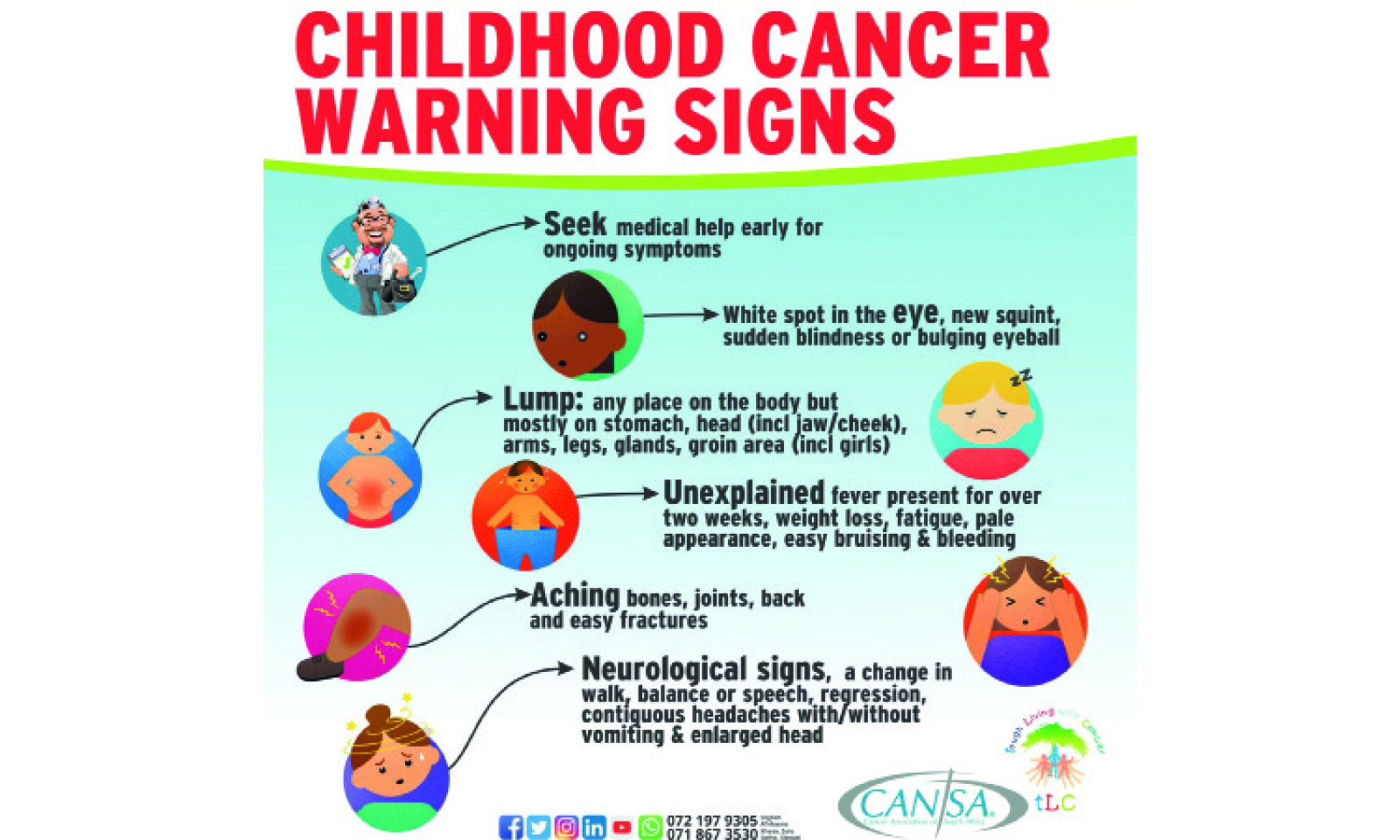
Rumbidzayi Zinyuke
Health Buzz
EACH year, hundreds of thousands of children across the world face the terrifying diagnosis of cancer.
It is a diagnosis that upends lives, not just of the children afflicted, but also of their families, communities, and the health systems meant to support them.
Childhood cancer is not a singular disease but a group of cancers that affect children and adolescents aged 0 to 19 years. Unlike adult cancers, which are often linked to lifestyle or environmental exposures, most childhood cancers stem from genetic mutations that occur randomly. The most common types include leukemia (particularly acute lymphoblastic leukemia), brain and central nervous system tumours, lymphomas and solid tumours such as Wilms tumour, neuroblastoma and retinoblastoma.
These diseases progress rapidly and can be fatal without timely treatment. However, with early diagnosis and proper care, childhood cancers are highly curable.
In high-income countries, the five-year survival rate exceeds 80 percent.
The story is tragically different in many parts of the Global South, where survival rates fall below 30 percent. Zimbabwe is one such country, and within its borders, this disparity translates into hundreds of lives lost annually to preventable outcomes.
Zimbabwe has joined the WHO–St Jude Global Initiative for Childhood Cancer, which commits the country to a 60 percent survival rate by 2030.
While paediatric cancers are gradually receiving more attention, the burden remains heavy.
According to the Zimbabwe National Cancer Registry, childhood cancers represent approximately 3 to 4 percent of the total cancer burden, with leukemia, Wilms tumour and retinoblastoma being the most commonly diagnosed.
Yet, these statistics only scratch the surface.
For every child diagnosed, there may be others who are misdiagnosed or never reach a health facility at all. Often, symptoms such as prolonged fever, unexplained swelling, bruising, or eye changes are mistaken for more common ailments like infections or trauma. The result is late presentation, when cancers are already at advanced stages and more difficult and expensive to treat.
However, a diagnosis comes with its own challenges as well.
For Zimbabwean families, a diagnosis of childhood cancer is not just a medical emergency, it is a social and economic catastrophe. Most specialised treatment is concentrated in urban referral hospitals such as Parirenyatwa Group of Hospitals. Rural families often travel hundreds of kilometres to access these services, incurring costs they can scarcely afford.
This journey is not just physical, it is emotional and financial. Parents are forced to quit jobs, sell assets, or take out loans just to afford transportation, accommodation, and food.
Hospital stays can last weeks or months, and treatments like chemotherapy and surgery are emotionally taxing and sometimes not readily available. Moreover, the lack of psychosocial support means that many families navigate their ordeal in isolation, unsure of how to support their children or process their grief.
Despite these hardships, many children persevere.
June is globally recognised as Childhood Cancer Survivors Month, a time to honour the lives of children who have battled cancer and survived.
These children are not just survivors, they are heroes.
They endure painful treatments, long hospital stays, and the uncertainty of recurrence. Their stories remind us of what is possible with early detection, access to care, and consistent support.
Celebrating these little heroes serves a greater purpose. It raises awareness about the realities of childhood cancer and underscores the urgency of investing in better diagnostics, treatment, and follow-up care. It also gives hope to newly diagnosed children and their families, that survival is not only possible, but probable with the right support.
One of the organisations standing at the frontlines of the fight against childhood cancer in Zimbabwe is KidzCan, which works with the Ministry of Health and Child Care as well as various partners in the private sector. Established in 2009, the organisation has become a critical lifeline for children with cancer and their families. From providing chemotherapy drugs and blood products to funding transport and accommodation, KidzCan’s holistic approach is centred on dignity, equity, and access.
KidzCan’s medical assistance programme ensures that life-saving drugs are available at major paediatric oncology centres. In 2024 alone, the organisation supported hundreds of children with medication and diagnostic tests, many of which are otherwise unaffordable for the average Zimbabwean household. They also offer nutritional support, recognising that proper nutrition is essential to withstand intensive cancer treatment, and psychosocial support for both children and caregivers.
But more needs to be done!
While the work of KidzCan and other partners is commendable, it is not enough to shift the survival needle nationally. Addressing the childhood cancer crisis in Zimbabwe requires a multi-sectoral response.
First, there is a pressing need for early detection training among frontline healthcare workers. Too many children are diagnosed at Stage 3 or 4, when the disease is more difficult, and expensive to treat.
There is also need to decentralise treatment services. Families should not have to travel across provinces to access cancer care. Equipping provincial hospitals with diagnostic tools, trained staff, and oncology units could significantly reduce delays in treatment.
Policy support is equally vital. The government must prioritise childhood cancer within national health budgets, ensuring that essential medicines and diagnostic tests are available and affordable.
Lastly, public awareness is essential. Cancer is still heavily stigmatised in many communities, with myths and misinformation leading families to seek help from spiritual or traditional healers. National campaigns that demystify childhood cancer and encourage early medical consultation could save countless lives.
Childhood cancer may not be preventable, but it is beatable. Every child deserves the chance to grow up healthy, to dream, and to live without pain. Survivors remind us that with the right care and support, cancer is not a death sentence, it is a challenge that can be overcome.
However, June matters; but all 12 months matter more!
June’s survivor-led activities are important, but paediatric cancer does not respect the calendar.
Symptoms may surface in July, in December, and every ignored swelling can metastasise in weeks. In other words, awareness restricted to June, or to September’s gold-ribbon blitz, misses the point.
The message that “children get cancer too, and cancer is curable if caught early” must echo in classrooms, faith meetings and WhatsApp groups all year.
So as we mark Childhood Cancer Survivors Month, let us not only honour those who made it through the storm, but also commit to building a healthcare system where no child is left behind.
Because every child matters!
Feedback: [email protected]