

 Online Reporter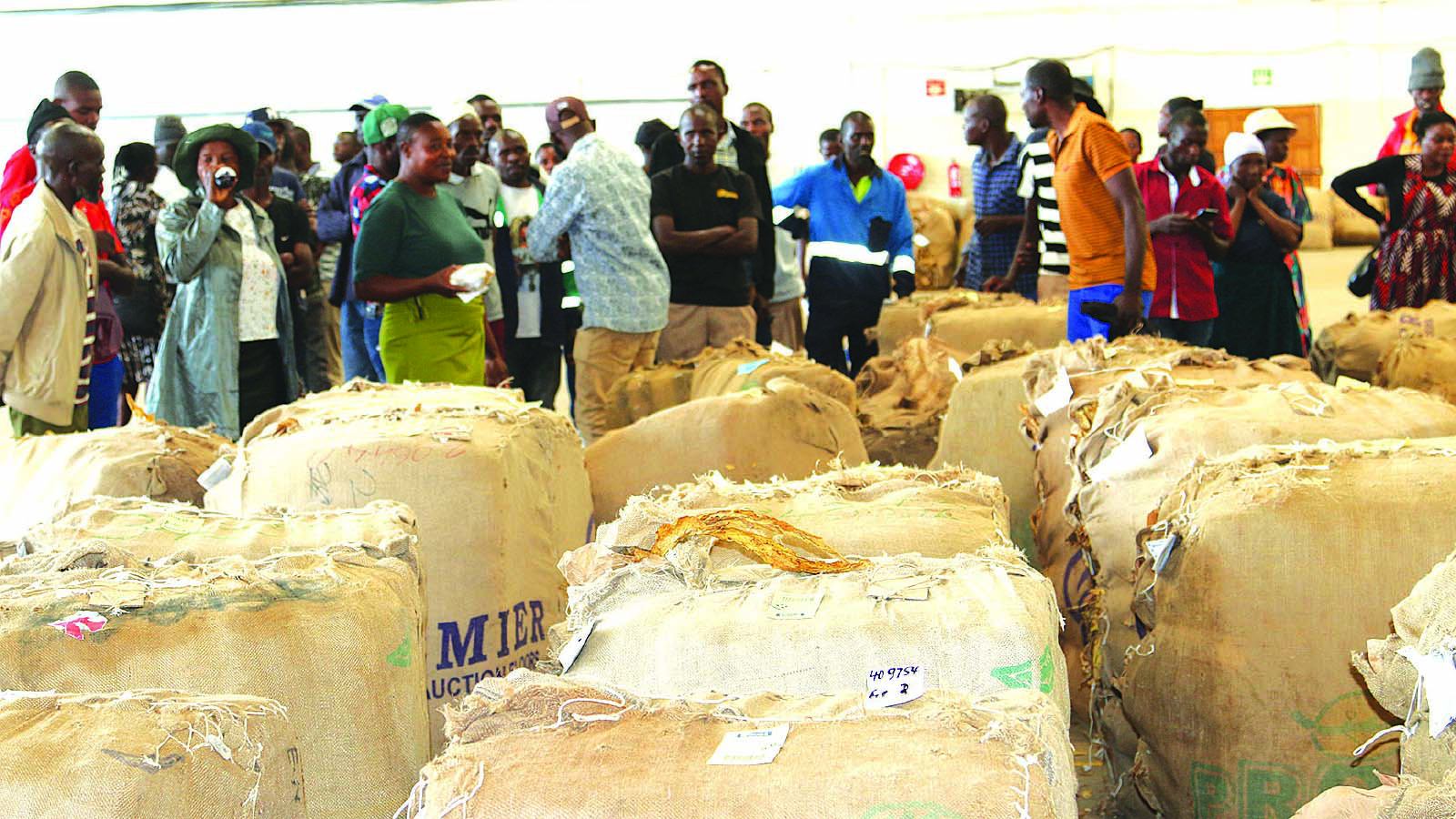
Obert Chifamba
Agri-Insight
THE 2026 tobacco marketing season opened last week with 36 852 kilogrammes of tobacco going under the hammer and farmers pocketing US$ 59 125.
On the corresponding day during the 2025 marketing season, 69 475 kilogrammes of the golden leaf worth US$205 676 were sold.
This marks a 47 percent difference between the two seasons.
The highest price for the 2026 season’s opening day was US$4,60 while the lowest price was $0,20 per kg.
For the 2025 season, the highest price was US$4,99 with the lowest sitting on US$0, 10.
The number of bales laid on the two days in question also recorded a 501 percent difference with 1 148 bales being laid and 451 getting sold last week while in 2025, the first day saw 969 bales being laid with 853 getting sold.
This year’s first day of marketing also recorded an average price of US$1,60 per kilogramme while that of last season was US$2,96 per kilogramme.
It will not require rocket science for anyone to appreciate the stark reality that the bale rejection rate for this current season on the first day was colossal – sitting at 407 percent compared to last season.
Ordinarily, this rejection rate should send alarm bells ringing with stakeholders trying to understand what could be happening to one of the country’s biggest cash cows.
The country’s tobacco regulatory authority, the Tobacco Industry and Marketing Board (TIMB) believes the first day’s high rejection was largely attributable to farmers exercising their right to withdraw tobacco after being offered prices they were not satisfied with.
TIMB chief executive, Mr Emmanuel Matsvaire, even observed that it was important to appreciate that farmers are not obliged to accept prices they consider too low to break even.
He added that the marketing system allowed growers to reject or withdraw their tobacco and seek better offers either later in the day or on another selling day.
On the one hand, rejection of sales can also be a result of buyers finding the tobacco’s quality too low to warrant a sale.
This is naturally one scenario that becomes very worrisome considering all the efforts the country is putting to ensure farmers get economically empowered through the production of such high-value cash crops like tobacco.
The redeeming fact in the case of the high bale rejection on the first day of the season last week is that most of the tobacco being traded had quality standards rating from low to fair.
Generally, early tobacco deliveries are characterised by primings, which are usually of low quality, as they are the bottommost leaves.
The other probable explanation is that farmers were boycotting the low prices buyers were offering.
Remember, most of them delivered and sold tobacco last season when the highest price on the opening day was US$4,99 per kilogramme yet the highest on the say in question was US$4,60.
Effectively, this could have pushed many growers to withdraw their produce in anticipation of firming prices later that same day or on any other separate one.
Farmers are not obliged to accept low prices and have rights to reject prices they see as low and therefore unviable.
There is nothing untoward concerning farmers’ reaction to the goings-on on the day the floors opened their gates to them given that the discrepancies between the 2025 and 2026 marketing season opening days were just too wide to keep suspicion suppressed.
It is obvious the majority of the farmers were using last season’s proceedings to benchmark their expectations for the first day of the new season, which did not happen.
It is, however, refreshing to note that TIMB has also acknowledged the farmers’ sentiments as normal and expected. The board has even come out in support of the farmers saying it was not going to tolerate behaviour that undermined the competitive integrity or prejudiced the welfare of tobacco growers.
The regulatory board also admitted noticing the opening day price dynamics adding that it had put in place mechanisms to promote competitive market conduct.
It also professed its readiness to act where market integrity would have been compromised without distorting lawful price discovery.
To me, such a promising reaction from this important board should encourage farmers to do their job diligently and make sure they do not give buyers some alibi to short-change them.
Farmers must also remember that opening days of any marketing season are typically characterised by limited volumes and staggered buyer participation as operational systems, logistics and funding lines may not have been fully activated yet.
This may mean that early price averages may not necessarily represent the trajectory of the entire season.
It may also be too early to be drawing definitive conclusions regarding overall price trends for the season, which may require farmers to give themselves a bit of time assessing the situation.
The other issue that has also emerged from the first day of marketing is that of high floor charges by the auction floors.



