Online Reporter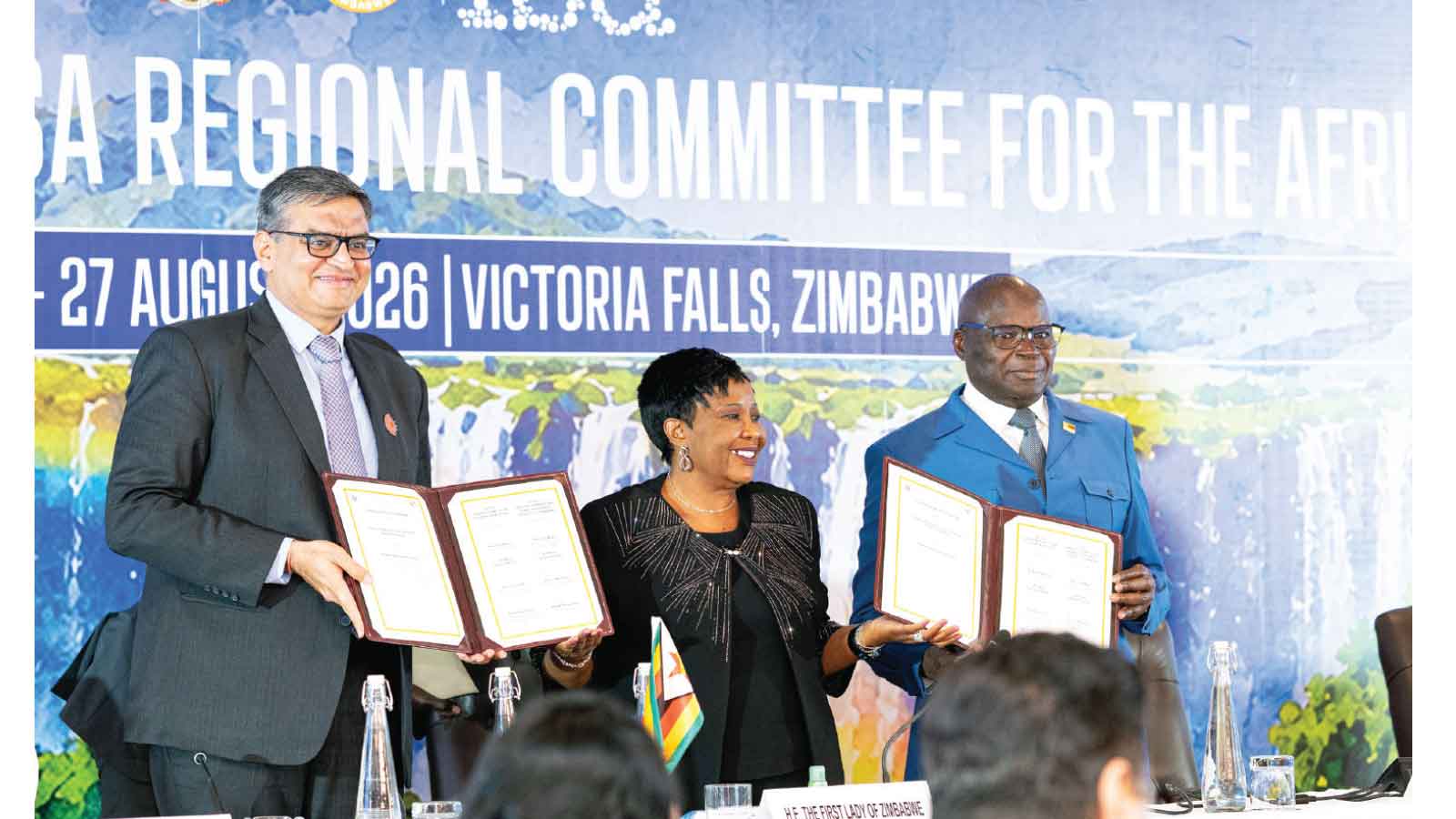
Rutendo Nyeve in VICTORIA FALLS
FIRST Lady Dr Auxillia Mnangagwa has reaffirmed her unwavering commitment to empowering women in the energy sector, calling for their greater participation in solar technology as engineers, investors, executives and decision-makers.
Dr Mnangagwa made the call on Thursday while launching the Solar4She initiative during the closing ceremony of the Eighth Meeting of the International Solar Alliance (ISA) Regional Committee for the Africa Region in Victoria Falls.
The initiative seeks to promote women’s meaningful participation in the solar energy sector through the rollout of a Gender Assessment Toolkit, designed to strengthen their involvement in energy governance and empower them across the solar energy value chain.
Dr Mnangagwa also officially launched the Solar Technology and Application Resource Centre (STAR-C), an innovation hub for solar technology to be housed at Chinhoyi University of Technology.
She also witnessed the signing of the Zimbabwe-ISA Country Partnership Framework (CPF), marking a significant milestone in the country’s energy transformation journey.
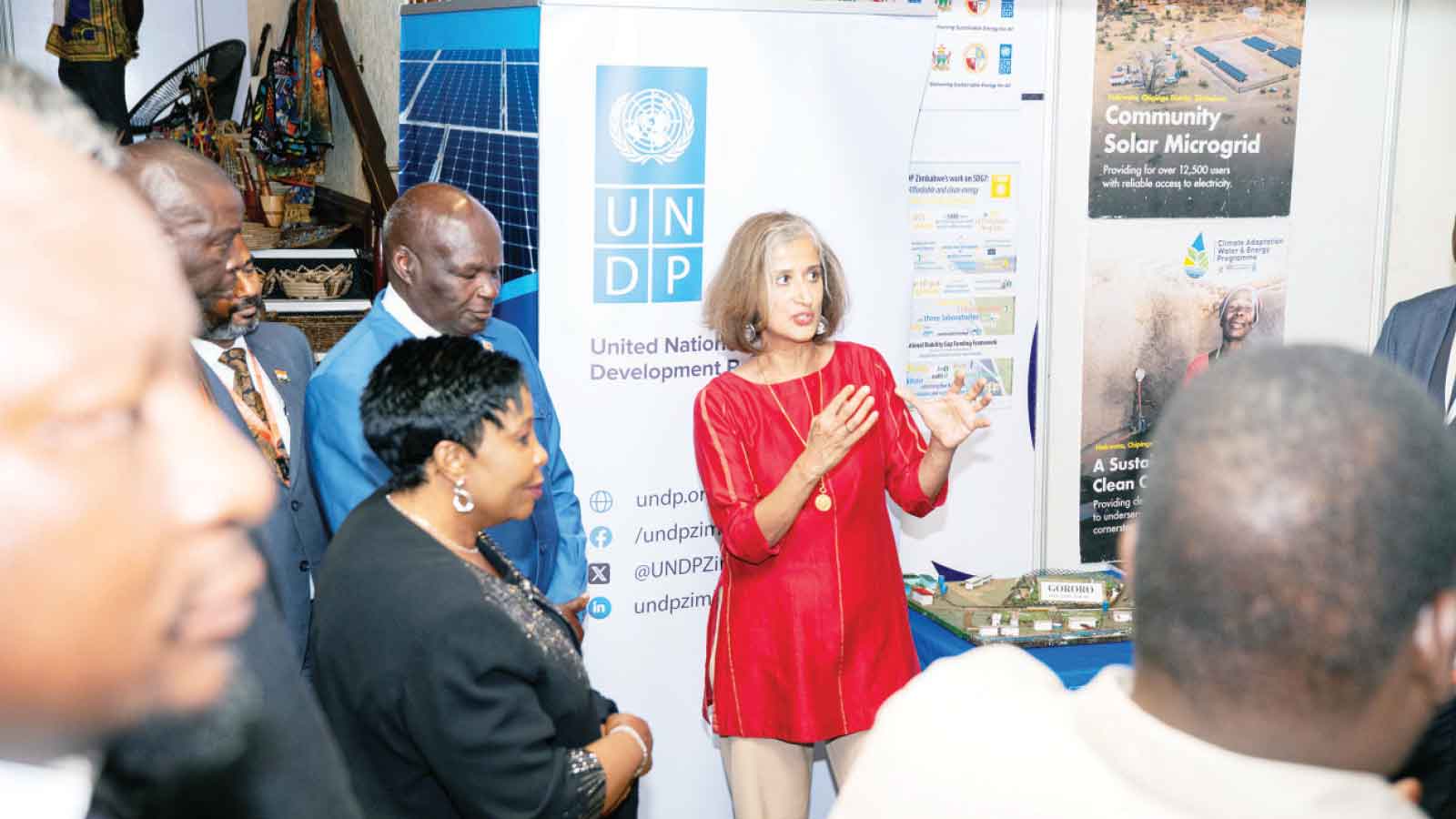
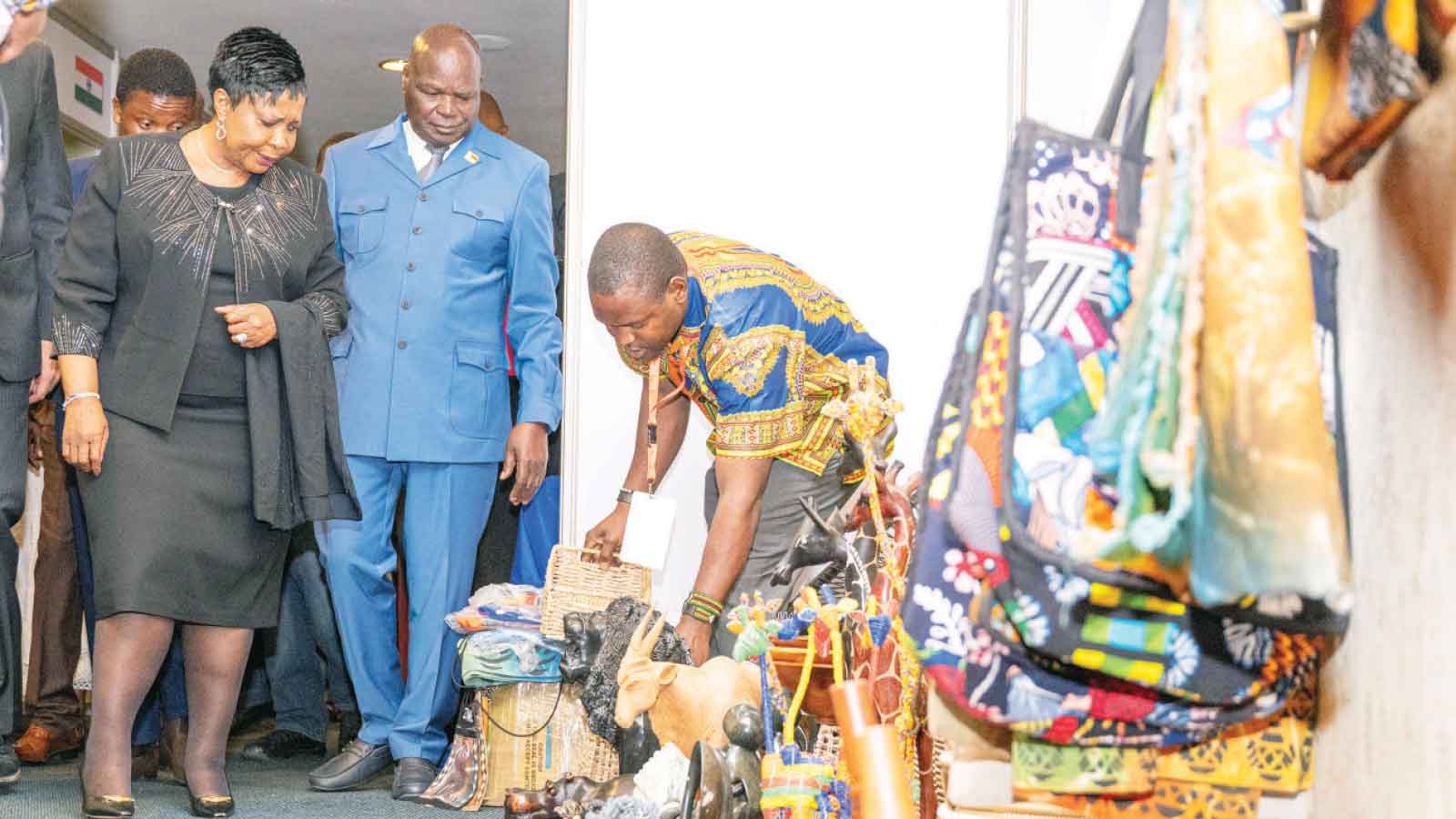
Dr Mnangagwa also had an opportunity to tour exhibition stands where she interacted with various exhibitors showcasing solar technologies and innovations.
The First Lady expressed gratitude for the various solar initiatives empowering women across the continent, reaffirming her commitment to ensuring women are at the forefront of Africa’s clean energy revolution.
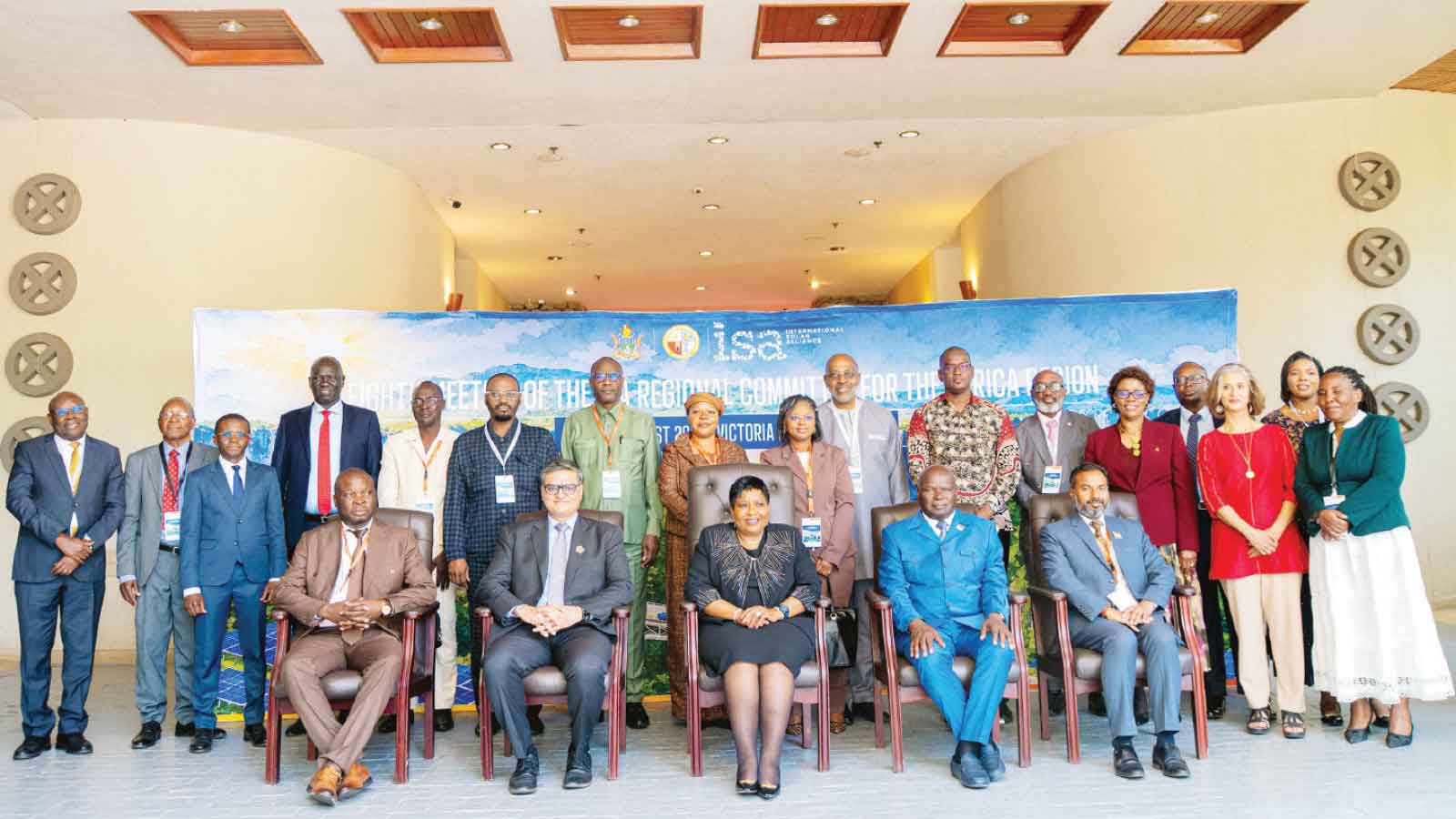
Addressing several delegates from 42 countries, including 22 ministers from across Africa, Dr Mnangagwa underscored the strategic importance of the three landmark initiatives inaugurated at the ISA Africa Regional Meeting.
“That strategic purpose unites the three landmark initiatives we inaugurate at this ISA Africa Regional Meeting: a centre that anchors national expertise, a toolkit that places women at the centre of energy governance, and a partnership framework that translates bold policy into bankable reality,” she said.
The First Lady said women should not merely benefit from developments in the energy sector but should occupy influential positions across the value chain.
“Participation in numbers without equal leadership is not enough. Women must lead where policies are drafted, capital is allocated, technologies are engineered, and national infrastructure projects are directed,” she said.
“Under the Solar4She banner, this toolkit equips governments, financiers, and developers with a rigorous framework to ensure women participate not merely as passive beneficiaries, but as board members, engineers, investors, and executives.
“I urge every institution represented here to deploy it as a practical instrument of institutional accountability,” she urged.
Dr Mnangagwa said the initiative was informed by her experience working with women across Zimbabwe through the Angel of Hope Foundation and nationwide programmes such as Agric4She.
“For many years, through the Angel of Hope Foundation and nationwide initiatives such as Agric4She, I have worked shoulder-to-shoulder with our women across Zimbabwe, particularly in establishing nutrition gardens, raising livestock, developing fishponds, and building sustainable livelihoods with their own hands,” she said.
“In every village, I have witnessed an enduring truth: when a woman gains reliable access to water, modern knowledge, and productive tools, an entire community prospers.”
Dr Mnangagwa said energy, particularly solar, was an important enabler that could accelerate women’s economic empowerment and improve livelihoods.
“A garden nourishes a child, a harvest yields dignity and an income keeps the girl child in school. Energy, particularly solar, is an enabler that catalyses and accelerates this chain of progress,” she said.
The First Lady said globally, women represent approximately 40 percent of the solar photovoltaic workforce but hold only around 17 percent of senior decision-making positions. She called for deliberate measures to close the gap and ensure women have a meaningful voice in the sector.
Dr Mnangagwa said the Solar4She initiative should translate women’s participation into tangible opportunities across the energy value chain. She also dedicated the Solar Technology and Application Resource Centre (STAR-C) to the people of Zimbabwe, particularly young women, aspiring engineers and local innovators.
“It is my privilege to dedicate Zimbabwe’s new Solar Technology and Application Resource Centre (STAR-C) to our people, especially our young women, aspiring engineers, and local innovators,” she said.
“Located at Chinhoyi University of Technology in partnership with the International Solar Alliance and our Ministry of Higher and Tertiary Education, Science and Technology Innovation, this centre belongs to the next generation.”
Dr Mnangagwa said the centre should become a hub where young Zimbabweans develop home-grown solar solutions and acquire skills to drive the country’s clean energy transition.
“May this centre become a living workshop for Zimbabwe’s clean energy transition: an incubation hub where cutting-edge ideas are tested, technicians are certified, enterprises are nurtured, and locally tailored solutions journey from the university laboratory directly into the village,” she said.
Welcoming the Zimbabwe-ISA Country Partnership Framework, Dr Mnangagwa said it bridges ambitious commitments and high-impact delivery by aligning technical capacity, project preparation and green financing with Zimbabwe’s development priorities.
“This framework bridges ambitious commitments and high-impact delivery by aligning technical capacity, project preparation, and green financing with Zimbabwe’s development priorities,” she said.
The First Lady said the impact would be felt through solar-powered irrigation for smallholder farmers, reliable clean power for rural clinics and schools, productive hubs for youth entrepreneurs and greater climate resilience for vulnerable communities.
“Today, through these three initiatives, we dismantle the barriers of technical limitation, gender-blind planning, and project delivery gaps,” she said.
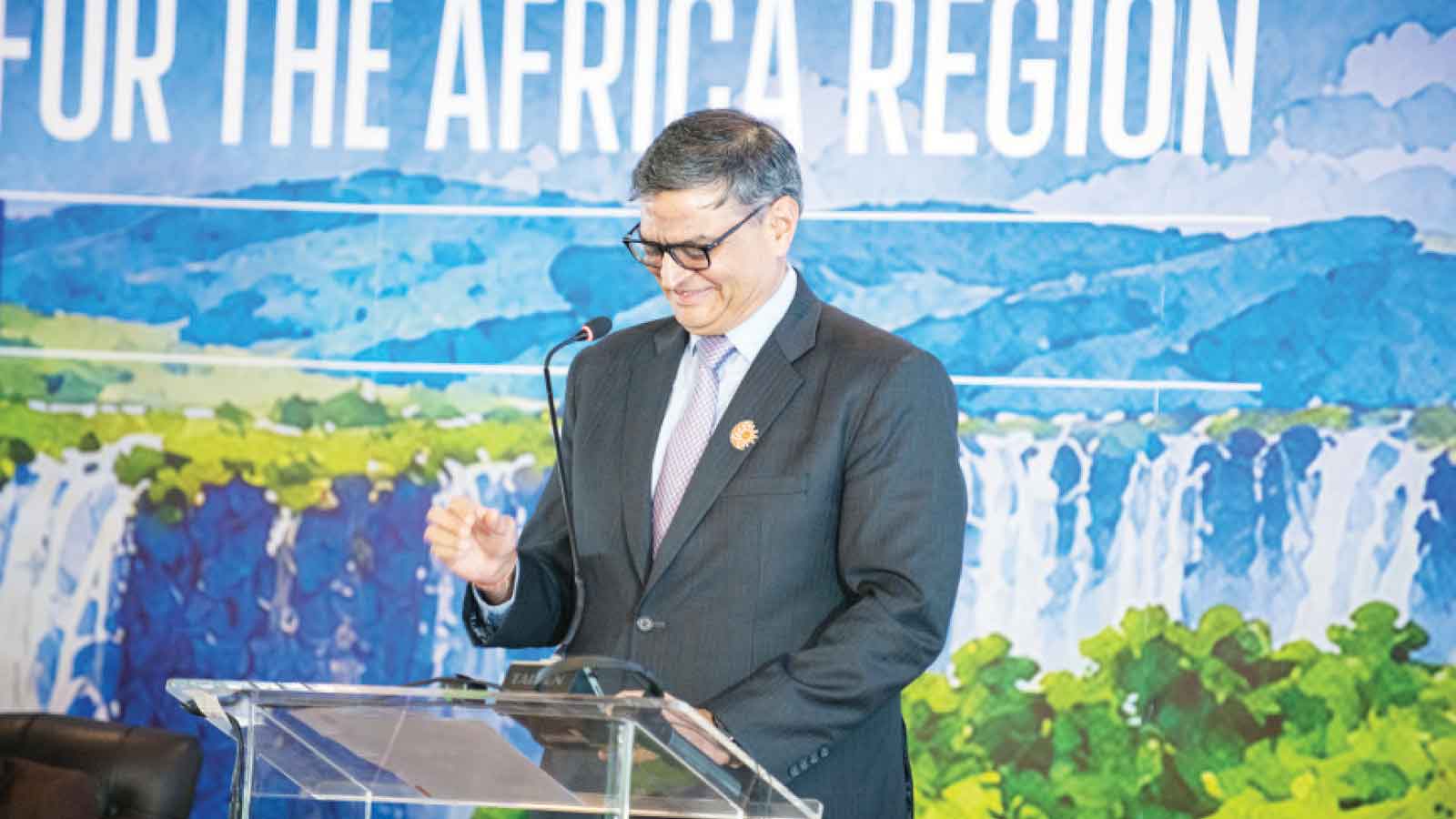
ISA Director General Mr Ashish Khanna expressed gratitude for Zimbabwe’s hospitality and highlighted the continent’s readiness to scale up solar energy deployment.
He said Africa was ready to move from megawatts to gigawatts and millions to billions through public and private sector investment.
“We unveiled a continental pathway for implementation of clean energy called Solarising Africa. We believe it is the people of Africa in the villages, the youth and women, who are ready to get all the potential for solar through solar rooftops, through mini-grids, through solar pumps and that will be the main vehicle for financing of Africa’s solar facility that got unveiled for 200 million dollars across Africa,” he said.
Mr Khanna also announced that seven countries had signed the Zimbabwe Declaration for Community of Practice, adding that 11 Centres of Excellence were already operational under ISA.
“But I want to end by saying that this is just the initiation because we believe Africa is ready for take-off and 22 gigawatts of solar capacities must reach 150 gigawatts by 2030 and 1000 gigawatts by 2040. This is a combined commitment,” he said.
The Deputy Minister of Energy and Power Development Yeukai Simbanegavi also spoke on Zimbabwe’s successful hosting of the Eighth ISA Regional Committee meeting.
“We had the privilege of having His Excellency the President (Dr Mnangagwa) opening for us yesterday (Wednesday). We kicked off with a meeting which saw some high-level remarks being highlighted on the importance of energy in development. The member states that are here pointed out Africa’s readiness to upscale power generation based on political will,” she said.
The Deputy Minister said discussions covered the continental clean energy plan, the Africa Solar Facility and the solar agriculture programme, all aimed at upscaling solar deployment and uptake.
She also highlighted India’s continued strategic partnership, evidenced by the growing number of Indian companies supplying and expanding into Zimbabwe and other African markets. The Eighth Meeting of the ISA Regional Committee for the Africa Region brought together over 200 delegates from 42 countries, demonstrating the continent’s collective resolve to harness solar energy for sustainable development and economic transformation.