Blessings Chidakwa in SAMARKAND, Uzbekistan
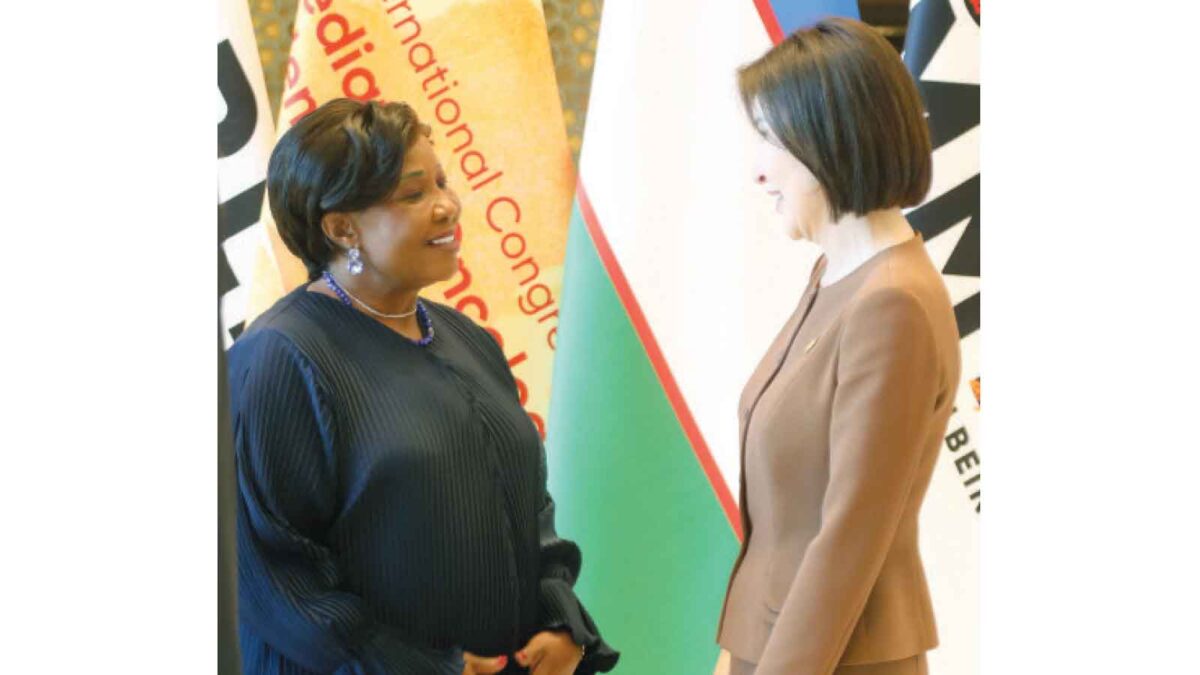
FIRST Lady Dr Auxillia Mnangagwa has been invited to the World Summit on Children’s Well-being in Samarkand, Uzbekistan, by her Uzbek counterpart, Mrs Ziroat Mirziyoyeva, who gave her a warm, sisterly welcome when they met for the first time, acknowledging her humanitarian work through the Angel of Hope Foundation.
Mrs Mirziyoyeva was already familiar with the Zimbabwean First Lady’s numerous life-changing initiatives, which have attracted local, regional and international attention.
As Patron of the Angel of Hope Foundation, Dr Mnangagwa took Zimbabwe’s child welfare agenda to the global stage, winning delegates’ admiration for initiatives addressing childhood cancer, drug and substance abuse, and the needs of vulnerable children.
The summit, which has attracted delegates from more than 100 countries, is being held under the theme “Investing in Children’s Well-being: A Path to Sustainable and Equitable Development for Future Generations”.
It is taking place alongside the Second International Congress on Paediatric Oncology and Haematology, bringing together First Ladies, philanthropic organisations, ministers and experts to advance children’s health, education and social protection.
The summit also saw the establishment of the Global Network of First Ladies and Spouses of Heads of State on Childhood Cancer and Other Life-Threatening Diseases, with Dr Mnangagwa among its founding members.
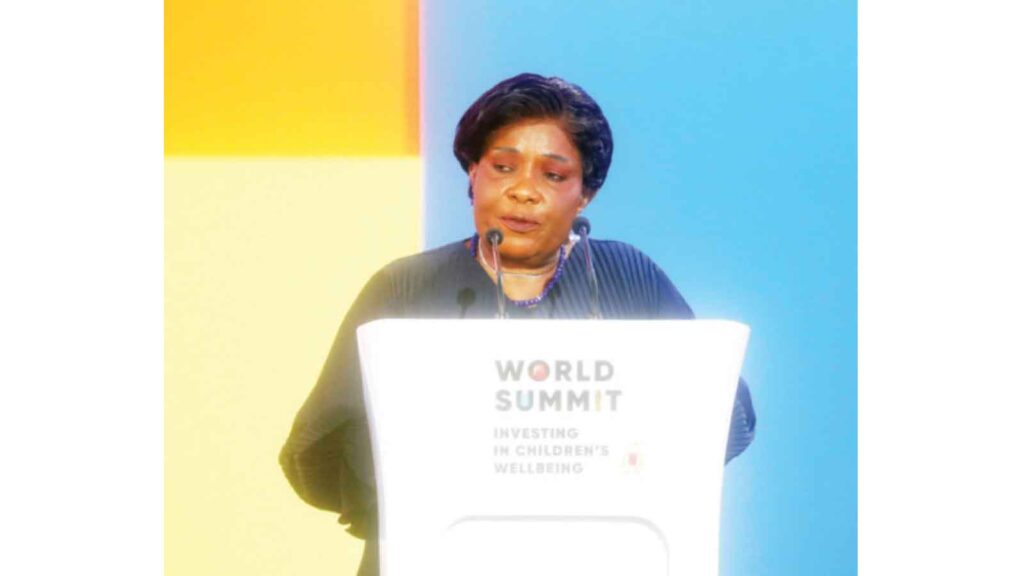
First Lady Dr Auxillia Mnangagwa delivers her remarks at the World Summit on Children’s Well-being in Samarkand, Uzbekistan.
The network seeks to strengthen international cooperation in tackling childhood cancer and other life-threatening illnesses, creating opportunities for countries, including Zimbabwe, to improve care for affected children and support their families.
Dr Mnangagwa’s humanitarian work also attracted further international interest, with Dr Leyla Aliyeva, Vice President of Azerbaijan’s Heydar Aliyev Foundation, paying her a courtesy call to learn more about her initiatives.
Together with her counterparts from Türkiye, Japan, Serbia, Kyrgyzstan, Albania and Lebanon, Dr Mnangagwa also toured several facilities, including Imkon, a special school and rehabilitation centre for children with disabilities.
She witnessed and participated in the facility’s official opening. Imkon provides specialised support and rehabilitation services for children with disabilities.
Among the dignitaries attending the summit were President of the United Nations General Assembly, Mr Khalilur Rahman, and UN Secretary-General António Guterres.
In her address at the summit, Dr Mnangagwa highlighted Zimbabwe’s progress in establishing specialist cancer services at major hospitals, including chemotherapy and radiotherapy. She also highlighted challenges in accessing timely diagnoses, medicines and follow-up care.
She said Zimbabwe was strengthening its response through the National Cancer Control Plan 2025-2030, which recognises childhood cancer as a national priority.
“Zimbabwe has continued to seek better conditions for cancer health services under the National Cancer Control Plan 2025-2030, which recognises childhood cancer as a national priority and provides a foundation for continued action. Our responsibility is to build on this foundation,” she said.
“We support the WHO Global Initiative for Childhood Cancer ambition of achieving at least 60 percent survival globally by 2030. Let us measure our progress in terms of practical solutions towards timely access to care and completion of treatment.”
As Health and Child Care Ambassador, Dr Mnangagwa said her work through the Angel of Hope Foundation complemented existing healthcare interventions by supporting vulnerable children and families affected by cancer.
The foundation provides accommodation for patients and caregivers travelling to urban centres for treatment, which can last for weeks or months.
She also highlighted cancer awareness initiatives, including screening through mobile clinics and hospital buses.
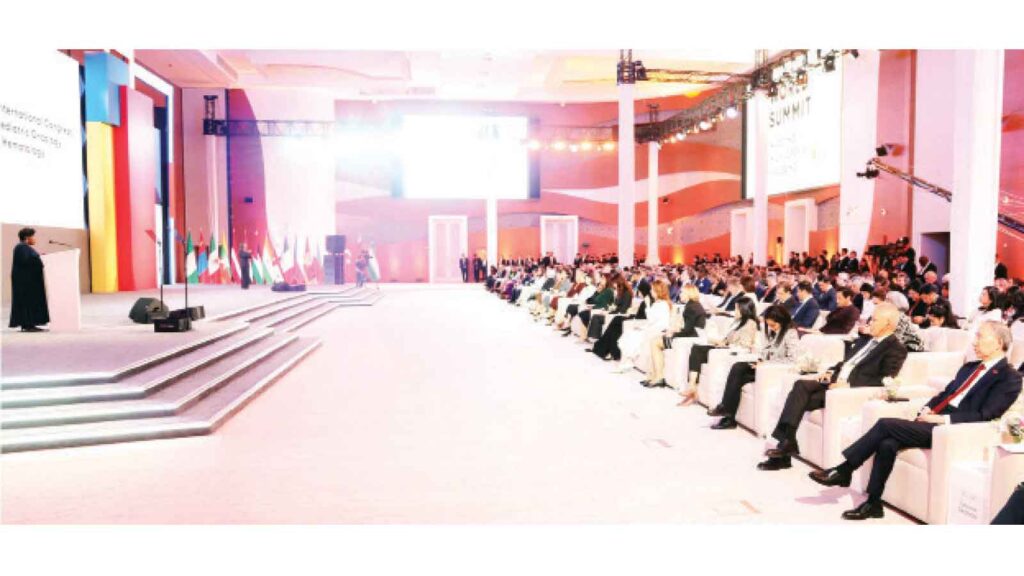
First Lady Dr Auxillia Mnangagwa addresses fellow First Ladies and dignitaries during the World Summit on Children’s Well-being in Samarkand, Uzbekistan
“I have since launched the cancer screening programme, where I have availed a mobile clinic, as well as hospital buses that screen for all cancers,” she said.
Dr Mnangagwa said she had also initiated an annual march involving primary and secondary school pupils in honour of Adrian Tawona Gurumbadza, who died aged 13 from a Wilms tumour.
The initiative raises awareness of childhood cancer and the importance of screening, early detection and treatment.
“Since then, through the Angel of Hope Foundation, it has been my priority to educate our children on the importance of cancer screening, early detection and treatment,” she said.
She said shortages of specialist skills, diagnostic capacity and treatment services remained challenges requiring stronger healthcare systems and timely interventions.
Dr Mnangagwa called for collective efforts to ensure that a child’s geographical location did not determine access to life-saving treatment.
“We are here not merely to exchange ideas and experiences, but to renew our fundamental promise to protect the lives of our children,” she said.
Beyond cancer care, the First Lady outlined interventions to address drug and substance abuse among vulnerable young people through the Angel of Hope Foundation Drug Rehabilitation Centre in Mbare.
She said thousands of disadvantaged young people had received free detoxification and rehabilitation services, with skills training introduced to support their recovery and reintegration into society.
“Having assisted thousands of underprivileged youths at no cost with the process of detoxification as well as rehabilitation, I deemed it necessary to go the extra mile of skills training with the aim of producing a well-rounded, productive individual for society,” she said.
The First Lady said the foundation also worked with Government ministries and other partners to support children living on the streets through education, family-centred care and investment in their future.
She stressed that children’s well-being depended on the circumstances of their families and communities.
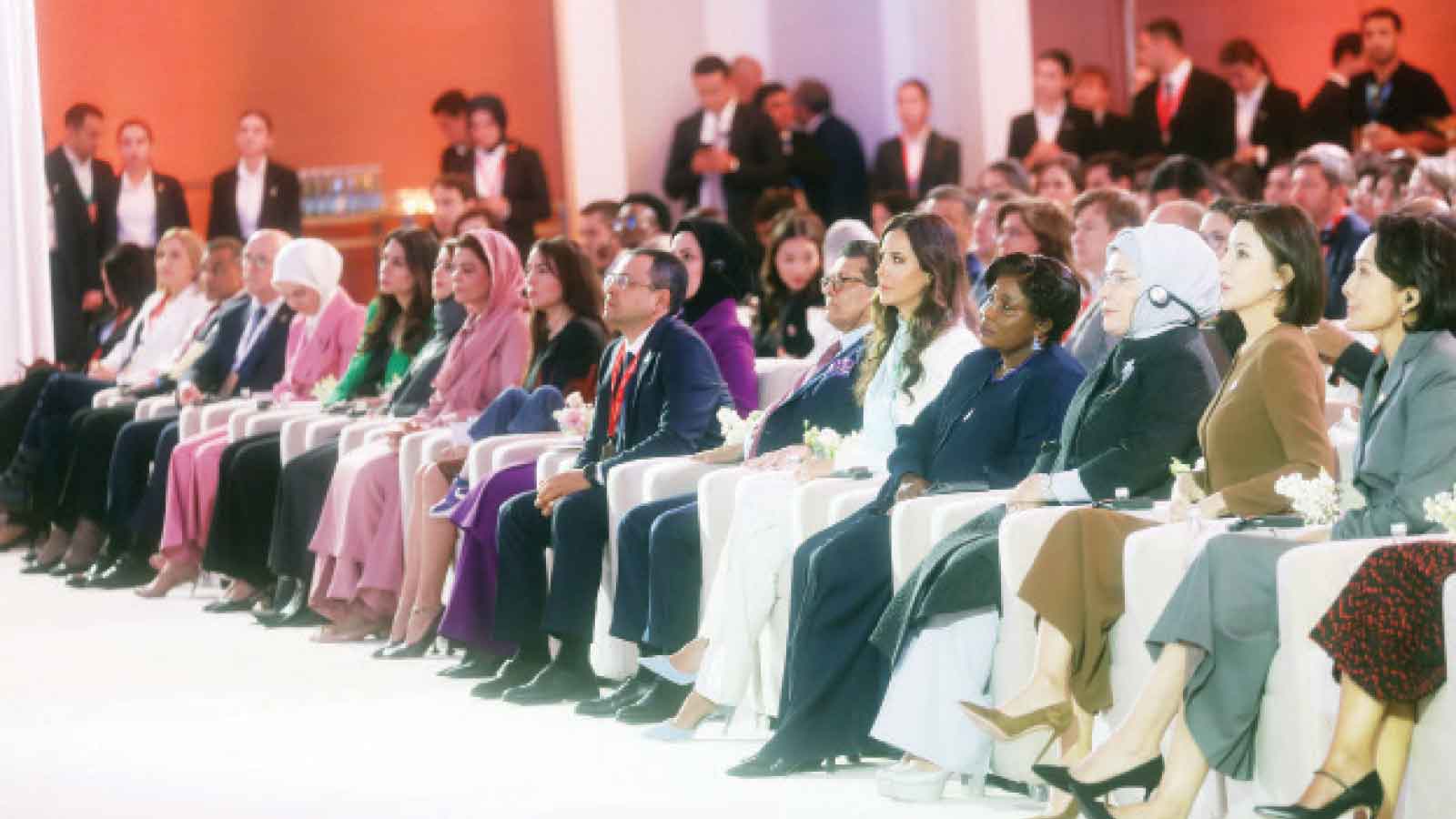
First Lady Dr Auxillia Mnangagwa follows proceedings alongside fellow First Ladies and dignitaries at the World Summit on Children’s Well-being in Samarkand, Uzbekistan
“We must remember that children do not exist in isolation; they are part of families and communities. Consequently, their welfare requires stable, empowered households,” she said.
Dr Mnangagwa said Zimbabwe’s Whole-of-Government and whole-of-society approach sought to address structural challenges contributing to inequality and marginalisation.
She also highlighted the importance of adequate funding, accountability and the practical implementation of child protection policies.
The First Lady further outlined medical outreach programmes conducted with doctors from Zimbabwe Care, which provide healthcare services to marginalised communities across the country.
Her address was followed by calls from other delegates for stronger international cooperation to improve children’s health and protect their rights.
Uzbek First Lady Mrs Mirziyoyeva warned that sustainable development could not be achieved without safeguarding children’s health and meeting their basic needs.
“Pain and disease, and likewise political borders, nationality or wealth, do not discriminate at all,” she said.
She called for modern diagnostic tools to reach primary healthcare workers, including those serving far-flung communities, to reduce delays in identifying childhood cancers.
Mrs Mirziyoyeva also advocated a fair and sustainable global mechanism to guarantee uninterrupted supplies of safe, quality medicines for children, particularly in developing countries.
“Without ever ensuring the welfare, well-being and basic needs of children, sustainable development cannot be achieved,” she said.
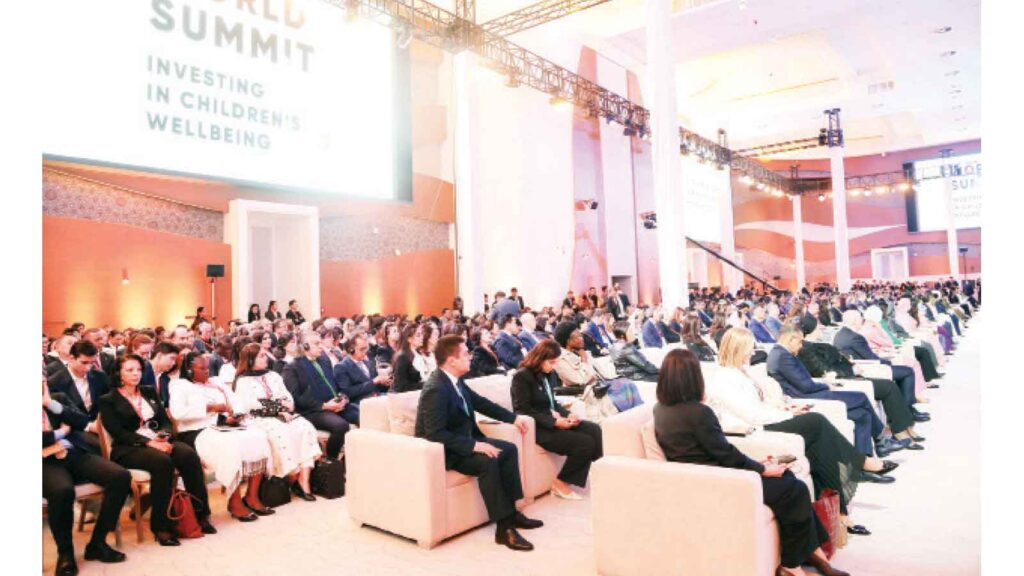
Participants follow proceedings at the World Summit on Children’s Well-being in Samarkand, Uzbekistan.
She urged governments, scientists and humanitarian organisations to work together to ensure every child received timely diagnosis and quality treatment, regardless of their country of residence or family’s financial circumstances.
United Nations General Assembly President Mr Rahman said children’s welfare required coordinated systems linking healthcare, early learning, inclusive education and social protection.
He called for international cooperation that produced tangible results, with regular reporting to ensure children’s needs remained central to national development priorities.
“A hungry child cannot learn effectively. A frightened child cannot flourish. A sick child cannot wait while institutions debate responsibility,” he said.
Mr Rahman called for concerted efforts to achieve a global childhood cancer survival rate of at least 60 per cent by 2030.
“Never should the place of birth determine treatment and survival,” he said.
The global disparities highlighted at the summit underscore the need to improve access to diagnosis, essential medicines and quality treatment, particularly in countries where specialist services remain limited.
The gathering also featured performances by children, amplifying their voices and reinforcing calls for greater protection, care and respect for their rights.
For Zimbabwe, the summit offers an opportunity to strengthen international partnerships and share experiences on initiatives aimed at improving children’s health, safety and overall well-being.