Online Reporter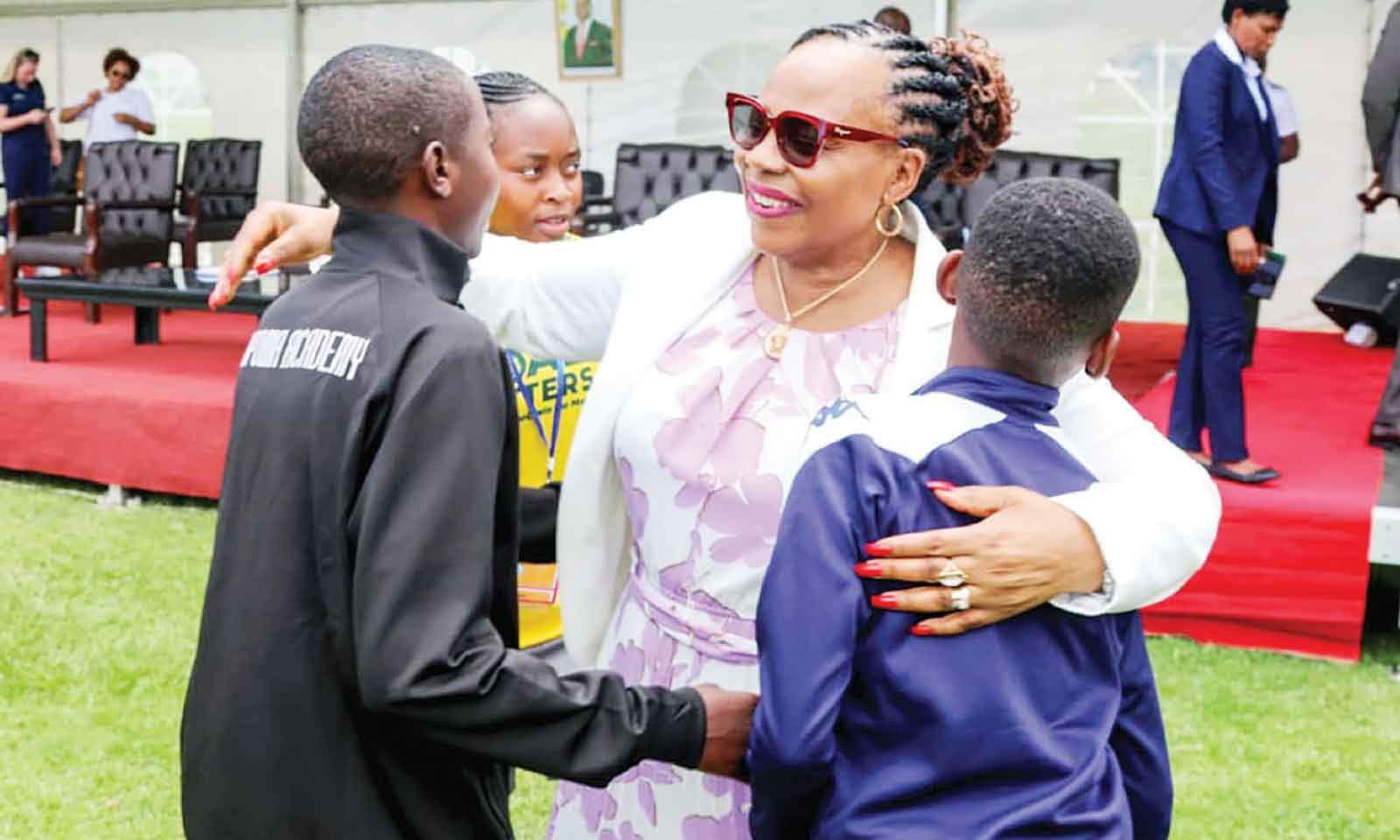
Blessings Chidakwa
Senior Reporter
HEALTH and Child Care Ambassador First Lady Dr Auxillia Mnangagwa yesterday urged young girls across southern Africa to use sport as a platform to champion their health by embracing the Human Papillomavirus (HPV) vaccine, saying protecting girls today was key to preventing cervical cancer in the future.
Addressing participants at the official opening of the Goal Getters Girls’ Soccer Tournament in Harare, drawn from Zimbabwe, South Africa, Namibia, Zambia, Malawi and Lesotho, the First Lady Dr Mnangagwa said sport provided an ideal environment to engage young people on critical health issues.
In a speech read on her behalf by Women Affairs, Community, Small and Medium Enterprises Development Minister Senator Monica Mutsvangwa, Dr Mnangagwa, welcoming visiting teams, said Zimbabwe was honoured to host an initiative that combined athletic talent with lifesaving health education.
The Health and Child Care Ambassador said the tournament was designed not only to showcase football skills but also to reinforce messages of confidence, discipline and informed health choices among girls.
“This tournament is not just about football. It is about you, your future, your confidence, and your health. When you train, when you pass the ball, when you work as a team, you are already practising the discipline that builds strong bodies and strong futures.
“Part of that strength comes from making healthy choices, such as getting the HPV vaccine, which we are highlighting today,” she said.
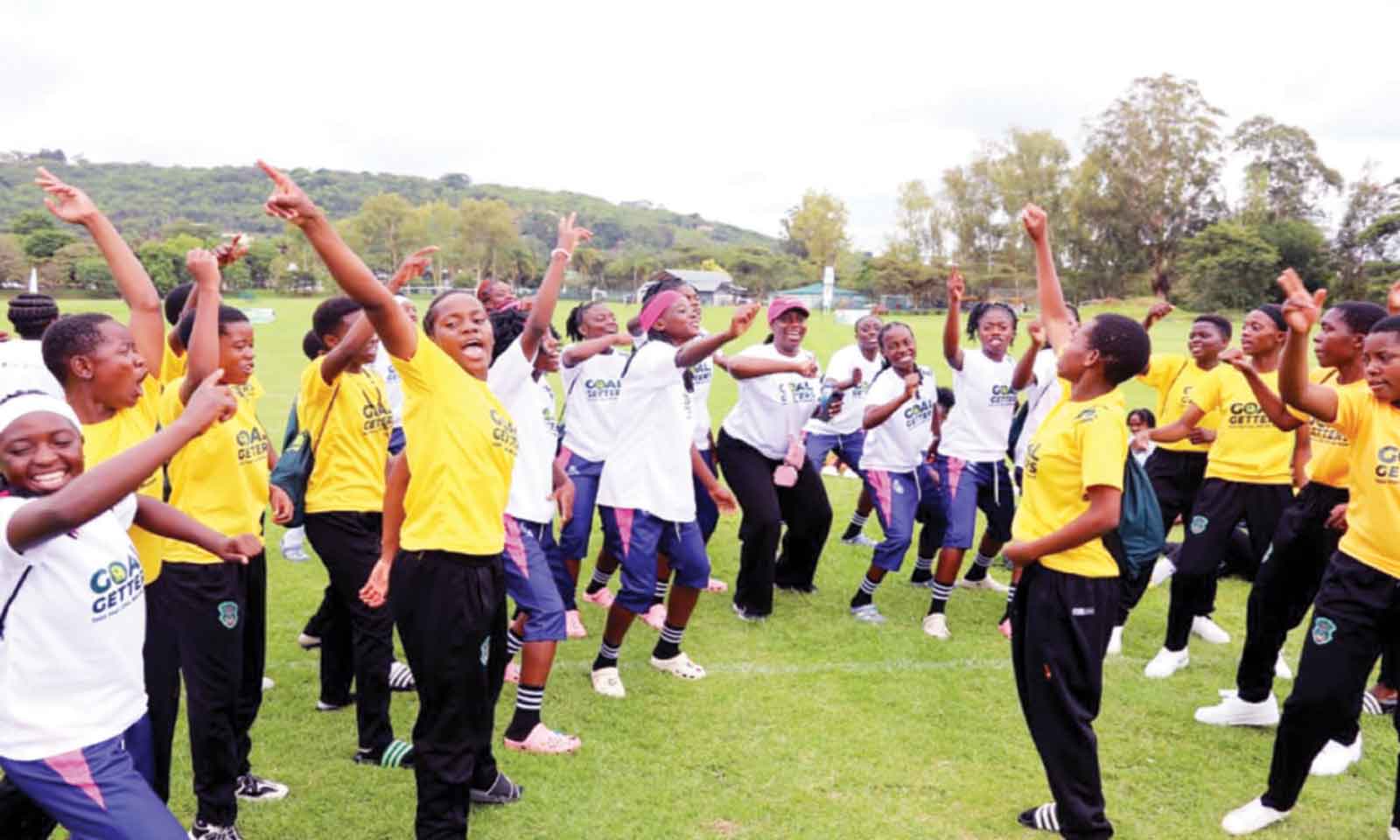
Dr Mnangagwa encouraged the participating girls, whom she described as “Goal Getters”, to take a leading role in influencing peers to get vaccinated, emphasising that young people were powerful messengers within their communities.
“When you speak, your friends listen. When you lead, they follow. ‘Charity begins at home,’ and you can begin by encouraging just one girl to protect her health,” she said.
A mother figure, the First Lady urged the girls to excel both on and off the pitch.
“May the goals you score on the pitch inspire even greater goals off the pitch, goals of confidence, courage, good health and endless possibilities,” she said.
The First Lady, who launched the HPV vaccination programme in 2018 as Zimbabwe’s Health Ambassador, said the country had made significant progress in ensuring that every Grade Five girl and out-of-school adolescent girl had access to the vaccine.
Dr Mnangagwa said the national commitment stemmed from the need to prevent cervical cancer, a disease that continues to claim the lives of many women.
“We did this so that diseases like cervical cancer, which have taken too many mothers, sisters and aunties, will no longer steal our women’s futures. As mother to the nation, I carry this deeply in my heart,” she said.
“Zimbabwe has been a leader in this journey and, thanks to our strong vaccination culture, we have seen significant reductions in diseases such as measles and polio. You see, ‘chirere chakanaka chiri pasi pemuti unorimira,’ meaning when we take care of each other early, we prevent bigger problems later.”

The Health Ambassador also highlighted Zimbabwe’s long-standing success in disease prevention, noting reductions in illnesses such as measles and polio due to strong public trust in vaccines.
Dr Mnangagwa also applauded the collaboration between the Ministry of Health and Child Care and international football bodies UEFA, CAF, COSAFA and ZIFA, saying taking health messages to the football field helped reach girls where they felt most empowered.
“It warms my heart because it brings health messages to where young people are happy on the football field,” she said.
“When you girls run, laugh, compete and celebrate, that is where the message of good health can truly reach you. This model is powerful, and I hope it grows across our borders.”
Dr Mnangagwa reaffirmed her commitment, through the Organisation of African First Ladies for Development, to promoting girls’ health, education and access to opportunities across the continent.
“Across Africa, we are working to eliminate cervical cancer and to strengthen trust in vaccines. Your presence here today demonstrates that girls are not just recipients of change; you are leaders of change,” she said.
Gavi Regional Head of East and Southern Africa, Charlie Whetham, said they believe that the life-saving power of vaccines is something that should be accessible to all children.

He said that by working with governments, including all of the governments represented in children at the tournament, over the last 25 years they have vaccinated more than half a billion children in Africa, although more still needs to be done.
“I like the fact that we are linked here today between sports and vaccination because, as sportswomen in training, you work your bodies hard so that when it comes to competition, you can perform your best.
“In fact, vaccines operate under the same principle. Vaccines expose your bodies to a light version of the disease, a very light version so that your bodies understand and are prepared to defend you if you encounter serious disease later on in life,” he said.
Mr Whetham said they have equipped the girls so that they can play their part in helping to ensure that their friends, families and siblings are also able to benefit from the advantages that vaccines bring.
Acting Minister of Health and Child Care, Dr Anxious Masuka, who was represented by the Deputy Minister of Health and Child Care, Sleiman Timios Kwidini, said the Ministry is implementing an HPV revitalisation programme for the period 2024 to 2026.
“This includes renewed school-based vaccination, supported outreach to reach out-of-school girls, integrated vaccination services at health facilities, and closer collaboration with the education sector and community leadership.
“We are also strengthening communication to address this and to ensure parents receive clear and factual information,” he said.
Minister Masuka said that beyond HPV vaccination, the Ministry continues to prioritise cancer prevention broadly, including expanded screening for cervical, breast and prostate cancers, integration of cancer awareness into primary health care, and the promotion of healthy lifestyles aimed at reducing cancer risk.
“Equally important is access to treatment. Government has been investing in cancer treatment services, including the strengthening of radiotherapy, chemotherapy and surgical oncology at referral hospitals, improved pathology and diagnostic services, and the decentralisation of selected cancer services to reduce the burden on patients and families.
“Today’s tournament complements these efforts by taking prevention messages beyond clinics and into spaces where girls are confident, active and engaged. We appreciate the support from Gavi and our sport partners in reinforcing vaccine confidence and demand,” he said.
Harare Metropolitan Provincial Affairs and Devolution Minister, Senator Charles Tawengwa, represented by Provincial Education Director Mr Jorum Mupunza, said this exciting girls’ football tournament is not only a sporting competition but a powerful platform for empowerment, inspiration and transformation.
“Today, sporting activities are tools for the promotion of healthy lifestyles, building self-confidence, strengthening social cohesion and nurturing future leaders. We are especially proud to welcome teams of young girls from six nations.
“Your presence here is a celebration of unity and diversity, a celebration of friendship, and of our shared work for the future. May this tournament create unforgettable memories, lasting networks and meaningful cultural exchange,” he said.
Several girls who participated in the regional football tournament shared what they had learnt about the HPV vaccine, highlighting its importance in protecting women and girls from cervical cancer.
From Zambia, Luyando Banda said the information session had empowered her with new knowledge about women’s health. “Today I learnt about HPV. It is a vaccine that prevents women from getting cervical cancer. I am going to educate my peers. I now feel responsible for spreading awareness among other young girls in my community,” she said. Rejoice Silungwe from Malawi said the briefing helped her understand how vaccines contribute to preventing future health complications.
“I learnt that it helps prevent cervical cancer. I also learnt a lot about vaccines which prevent women from cervical cancer so that they will have no problems when giving birth, without complications. We will pass the message back home,” she said.
Silungwe emphasised that she and her teammates are committed to sharing what they learnt with their families and peers.
Another participant from Malawi, Tamandani Chilimba, described the vaccine as essential to safeguarding young women’s health.
“It helps to save our lives and our bodies. The session reinforced the importance of protecting themselves early to prevent disease later in life.”