Online Reporter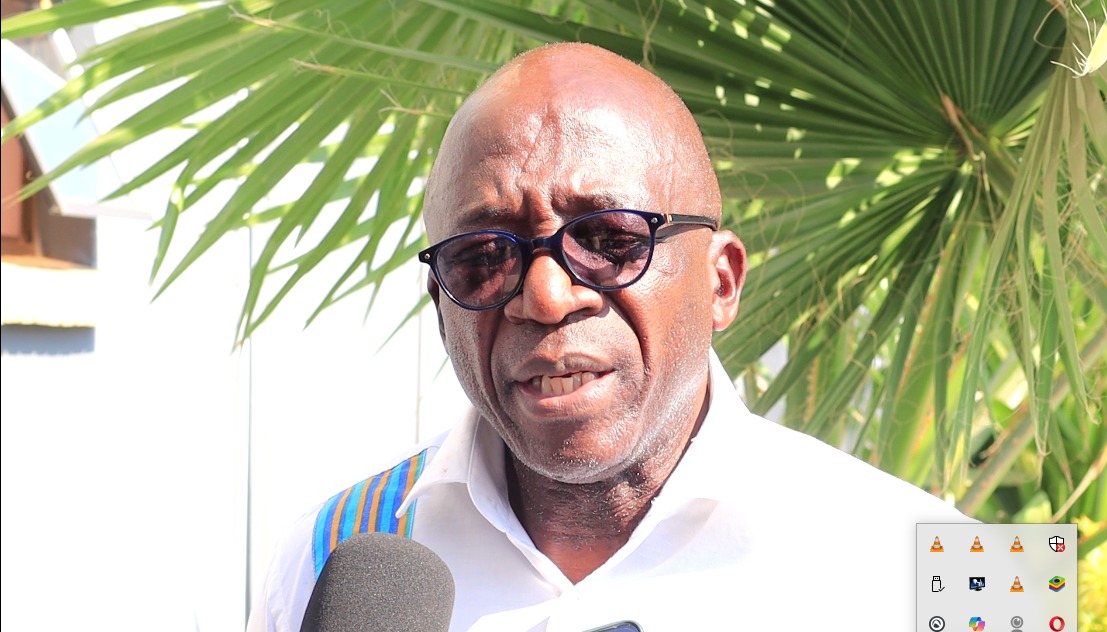
Thupeyo Muleya Beitbridge Bureau
THE Ministry of Tourism and Hospitality Industry has intensified efforts to craft Zimbabwe’s next tourism growth blueprint, rolling out nationwide stakeholder consultations for the National Tourism Sector Strategy (NTSS) 2026-2030, an ambitious roadmap aimed at growing annual tourism receipts to US$5 billion by 2030.
The consultations, which were launched recently in Harare by Tourism and Hospitality Industry Minister Barbara Rwodzi, have already covered Manicaland, Mashonaland West, Harare, Bulawayo and the Midlands, with the latest engagement held in Beitbridge on Friday as the process moved into Matabeleland South Province.

The NTSS 2026-2030 is expected to provide a comprehensive framework for the sustainable growth, competitiveness and transformation of Zimbabwe’s tourism sector in line with Vision 2030, the National Development Strategy 2 (NDS2) and the Tourism and Hospitality Industry Policy (2025-2030).
Its key pillars include heritage-based cluster development, destination accessibility, product diversification, digital transformation and sustainable community empowerment.
Speaking in an interview during the Matabeleland South consultation, Permanent Secretary in the Ministry of Tourism and Hospitality Industry, Dr Takaruza Munyanyiwa, said the strategy was deliberately being developed through extensive stakeholder engagement to ensure broad ownership and effective implementation.
“We are here in Beitbridge undertaking our strategic consultation work in Matabeleland South Province on the development of the National Tourism Sector Strategy,” he said.
“We started with a launch in Harare. So far, we have covered Bulawayo, Mashonaland West and Midlands, and today we are covering Matabeleland South Province. Another team is covering Manicaland.”
Dr Munyanyiwa said Government policy requires strategies to be informed by those directly involved in implementation.
“Basically, I think that as we develop our strategy, we are obligated by policy to do consultation with stakeholders. Strategies and policies must be stakeholder-driven because, at the end of the day, they are the ones who drive implementation,” he said.
He said the Matabeleland South consultations attracted representatives from Government departments, tourism operators, youth and women’s organisations, as well as special interest groups under the Government’s whole-of-government approach.

The discussions focused on improving competitiveness, embracing digital transformation, strengthening human capital and enhancing destination accessibility.
“We also have tourism operators and special interest groups, youth, women, and youth in tourism groups. Everyone is represented so that we get input on where we go from NDS1 to NDS2, aligning with the tourism policy and the pillars that have been set,” he said.
Dr Munyanyiwa said the strategy was being crafted at a time when Zimbabwe’s tourism industry was enjoying growing international recognition.
“One interesting thing that has happened now is that this strategy is being crafted at an opportune moment when Zimbabwe is doing well internationally. We are at the peak of our performance, and the idea is to maintain and grow. We are no longer talking about recovery; we are talking about moving forward,” he said.
He said the recent resumption of direct flights between Harare and London after a 14-year hiatus would significantly improve Zimbabwe’s international connectivity and competitiveness.
“Just two days ago we had the inaugural UK-Harare flight after a 14 years’ hiatus. This is a game changer in terms of international and regional arrivals to Zimbabwe. Previously, we have been getting international visits via other destinations, which is not cost-effective. Now we can become a prime destination. It can increase the length of stay,” he said.
Dr Munyanyiwa also called for greater product diversification, saying Zimbabwe should leverage its diverse tourism assets beyond Victoria Falls.
“We must talk about product diversification, and the guiding principle is the heritage-based principle. This is about Zimbabwe, and we are doing that,” he said.
He said domestic tourism would remain central to the new strategy, noting that globally it contributes more than 70 percent of tourism arrivals and receipts.
“In terms of domestic tourism, I also need to highlight that it is at the centre of our strategy, at the centre of how we sustain domestic tourism growth,” he said.
The Permanent Secretary said Government investments in transport infrastructure, including the modernisation of Robert Gabriel Mugabe International Airport and Victoria Falls International Airport, as well as the opening of Grand Reef Airport in Mutare, were improving tourism connectivity.
He said there were also plans to strengthen air links to Masvingo during this year’s Sanganai/Hlanganani World Tourism Expo.
Dr Munyanyiwa said efficient air, road and rail networks were critical to unlocking the full potential of Zimbabwe’s tourism sector.
“In the same vein, we need a very robust domestic travel network in terms of the air linking all the vital and iconic sites; we also need a good road and rail network. Those are the three pillars of domestic and international tourism we have to work on,” he said.
He also identified Meetings, Incentives, Conferences and Exhibitions (MICE) tourism as a major growth area, saying Zimbabwe needed to expand conference and exhibition infrastructure across all provinces.
“MICE contributes between 60 and 70 percent of tourism receipts internationally, and as a country we need to do more to develop MICE infrastructure around the country. We have done well in the past, but we need to be customer-made in every province,” he said.
Dr Munyanyiwa said submissions received from stakeholders across the provinces were already revealing common themes that would shape the final strategy.
“We are happy with the submissions here today in Matabeleland South on what the stakeholders think, and we are beginning to form a trend from what we have seen in the last engagements so far, and this is how you develop a stakeholder-driven strategy. We will do the summarisation soon, and this is a very good exercise for tourism, and we are all energised because it’s coming at a time when Zimbabwe is doing very well, and we can only succeed,” he said.