Chronicle Editor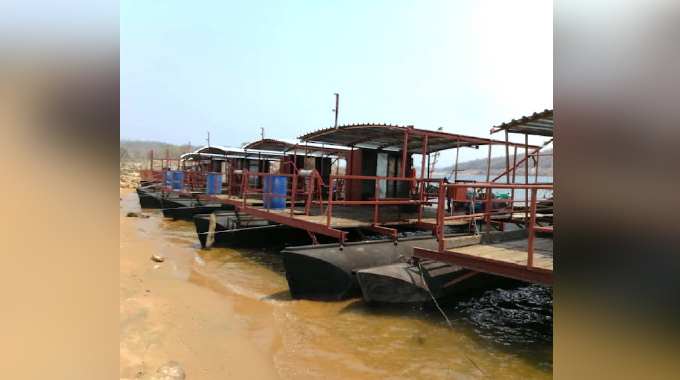
Sunday News Reporter
THE introduction of Presidential Fishing Rigs in the Binga community last year has significantly transformed lives by creating employment, enhancing food security and providing a sustainable source of income for local residents who have traditionally relied on the Zambezi River.
President Mnangagwa donated 17 fishing rigs to local chiefs, women and young people as part of the Government’s empowerment efforts aimed at uplifting under-served communities. While four chiefs from Kariba benefitted, the initiative particularly focused on Binga, an area historically perceived to have faced developmental challenges.
The project is part of the Government’s broader strategy to leverage local resources and transform rural economies, with fish farming identified as a critical component in advancing the rural industrialisation agenda in Binga District.
However, the initiative has encountered setbacks, particularly due to climate change, which has adversely affected fish breeding. Additionally, beneficiaries have expressed concerns over Zimparks’ annual license renewal fee of US$1,200, which they consider prohibitively steep, given their novice status in the fishing industry.
Briefing Dr Jorum Gumbo, who is the Special Advisor to the President on Monitoring Implementation of Government Programmes and Projects in Binga recently, Cde Lundy Sinzeka, the Zanu-PF Youth League chairperson for Matabeleland North Province, thanked President Mnangagwa for the fishing rigs.
He noted that the rigs have transformed community livelihoods, enabling them to employ local youth and secure a steady income.

“We are grateful to President Mnangagwa for this initiative. It has empowered us greatly. Our goal is to establish industries, such as fish canning in the district, expanding our capacities through organised supplies to successfully establish these ventures and create more job opportunities for youths,” he said.
Cde Sinzeka also pointed out the challenges posed by climate change and the impact it has on fish breeding, which leads to declining fish production. He reiterated that the US$1200 licence renewal fee is burdensome given their limited earnings from fishing ventures.
“We are still learning the ropes and fish production has declined due to climate change and overfishing. The annual licence fee is therefore, a significant strain on our profits,” he said.
“We also have employees who need compensation, which leaves us with minimal returns. We appeal to the government to reconsider the license fee, perhaps reducing it to US$600.”
Additionally, Cde Sinzeka highlighted that penalties for fishing in prohibited areas or without a licence stand at US$2 000, which he said was too steep. He mentioned that some employees inadvertently infringe on these regulations, leading to rigs being impounded.
Dr Gumbo acknowledged the climate change challenges but urged beneficiaries to operate within legal parameters while fostering a business-minded approach to sustain the community empowerment initiatives introduced by President Mnangagwa.
“I understand the climate change concerns—it’s a global issue. Its effects are becoming more pronounced, hindering empowerment efforts. However, we must adhere to laws designed to protect the fishing industry. Why would anyone want to fish in breeding areas? Sustainable practices are essential for the success of these initiatives,” he said.
He further noted that plans are in motion to commercialise fish farming in Binga, with proposals for establishing canning factories and cold storage facilities. A tender for installing these cold rooms has been awarded, which will improve the current situation where fish are often sold at low prices.
Dr Gumbo emphasised the importance of developing Binga through fish and kapenta farming, underlining the community’s reliance on local resources for progress.
“This project also supports vulnerable groups, including orphans and the elderly, aligning with the broader goal of the Second Republic to spur rural industrialisation through the utilisation of available local resources,” he said.
He added that focusing on organised supply chains will position fishermen to access larger markets, including hotels and lodges.


 Online Reporter