Rumbidzayi Zinyuke in Gweru
For two years, Ms Eustina Panganayi (41) from Mvuma lived with a condition that quietly eroded her dignity and confidence, forcing her to withdraw from many aspects of everyday life.
A mother of five and a member of an apostolic sect church, her ordeal began soon after the birth of her youngest child. What should have been a joyful moment quickly turned into the beginning of a painful and isolating experience.
Her baby weighed 4.7kg at birth and the delivery left her with severe injuries that changed her life.
“I started experiencing this problem when I had my fifth child. The baby was too big, weighing 4.7kg, and when I delivered I suffered extensive tears, but the nurses could not sew the tears,” she said.
In the weeks that followed, Ms Panganayi began experiencing symptoms that left her distressed and confused. She discovered that she could no longer control both stool and urine, a condition that made it difficult to live a normal life.
Determined to find help, she visited nearby clinics hoping that the problem could be treated. However, despite her efforts, the condition could not be addressed at the clinic and she continued living with it.
Over time, the condition began to affect her social life and relationships. What had started as a medical problem slowly turned into an emotional burden that left her feeling embarrassed and isolated.
Even within her own household, the strain became noticeable as the situation began to affect her marriage.
“Even my husband, whom I had been to for 25 years, started distancing himself from me. I remained in the marriage because I had no choice, but there was no love left in our relationship during those two years,” she said.
Living with the condition also became increasingly difficult with adult children in the home. She lost all confidence as she constantly worried about the possibility of embarrassing herself in front of family members or in public spaces.
Simple activities such as attending church or visiting relatives became sources of anxiety rather than comfort.
Hope finally came when she saw a flyer advertising a fistula repair camp offering free surgery at Gweru Provincial Hospital.
After enduring two years of uncertainty and discomfort, she decided to travel to Gweru in search of help, hoping that the doctors at the camp could finally provide a solution to her problem.
“I am the happiest person right now because I finally received assistance. Now I can live my life freely again and even go to church without being afraid that I will mess myself,” she said.
Ms Panganayi’s condition is called obstetric fistula, a devastating childbirth injury that occurs when a woman experiences prolonged or obstructed labour without timely access to emergency medical care, such as a caesarean section.
During prolonged labour, the baby’s head presses against the mother’s pelvic tissues for extended periods, cutting off blood supply to surrounding tissues. This causes the tissue to die, leaving a hole (fistula) between the birth canal and the bladder or rectum. As a result, women experience continuous and uncontrollable leakage of urine, stool, or both.
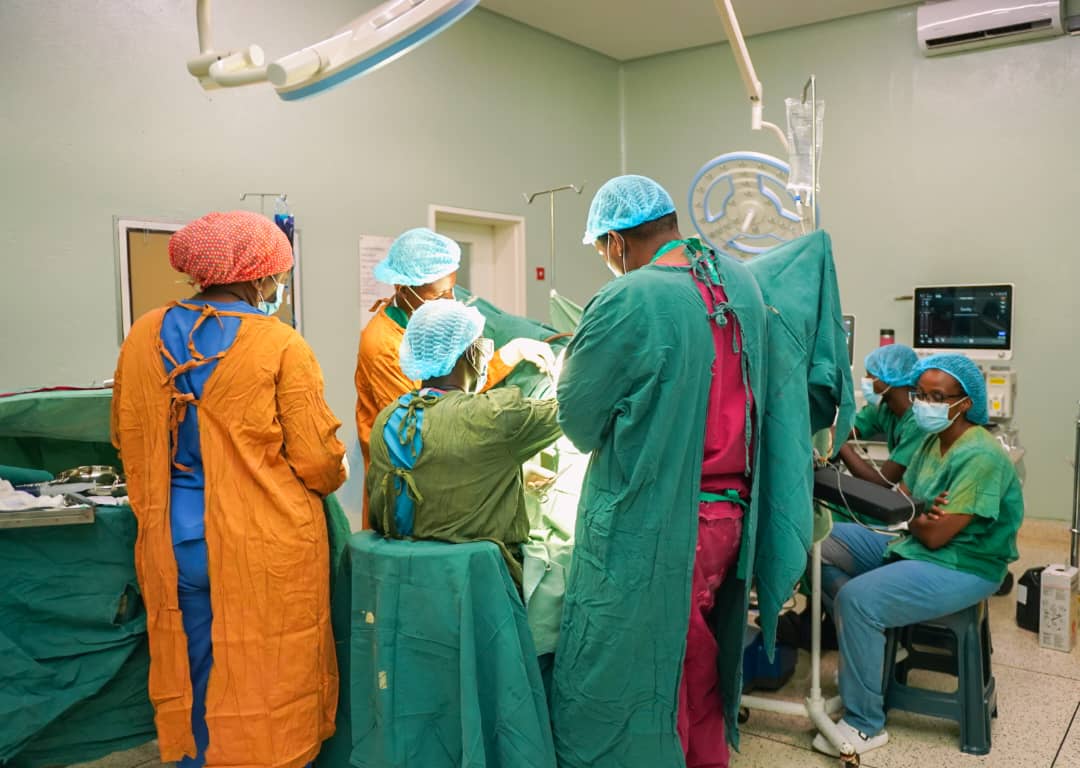
Ms Panganayi is among more than 40 women benefiting from the ongoing fistula repair camp at Gweru Provincial Hospital, which is providing specialised surgery for women suffering from the debilitating childbirth injury.
For 28-year-old Violet Muronga from Chitungwiza, her ordeal was similar and began last year when she went into labour with her second child. She also endured prolonged labour before being taken to Chitungwiza Central Hospital.
“By the time I arrived, my baby had died, so they had to perform an emergency caesarean section. When I woke up after the operation, I realised that I could no longer control my urine and I would just find myself wet,” she said.
The condition forced her to withdraw from social life. She stopped visiting relatives and avoided gatherings, even church.
Her first fistula repair surgery was unsuccessful, but she got a second chance last week to travel to Gweru after her husband heard about the ongoing camp.
“I used to think that I was the only one with this problem and I would often cry and ask God why I was going through such a situation. I have now had my surgery and while I am still recovering, my confidence has already started coming back. When I leave the hospital, I will try to educate other women about this condition so that they know that help is available,” she said.
Obstetric fistula remains a major public health concern in many developing countries, particularly in sub-Saharan Africa and parts of Asia where access to timely maternal health services is often limited.
According to the Zimbabwe Demographic and Health Survey (2024), about 0,4 percent of women in the country are currently living with the condition, translating to an estimated 15 000 women.
A fistula repair surgery can cost anything between US$800 in Government hospitals to about US$3 000 in private facilities, placing the procedure beyond the reach of many women, most of whom come from disadvantaged backgrounds.
The fistula camp at Gweru Provincial Hospital is part of maternal health interventions being implemented by the Ministry of Health and Child Care with support from the United Nations Population Fund (UNFPA) under the Health Resilience Fund programme, which is supported by the Governments of Britain and Ireland as well as the European Union. Private medical organisation Artemedis is also supporting the initiative.
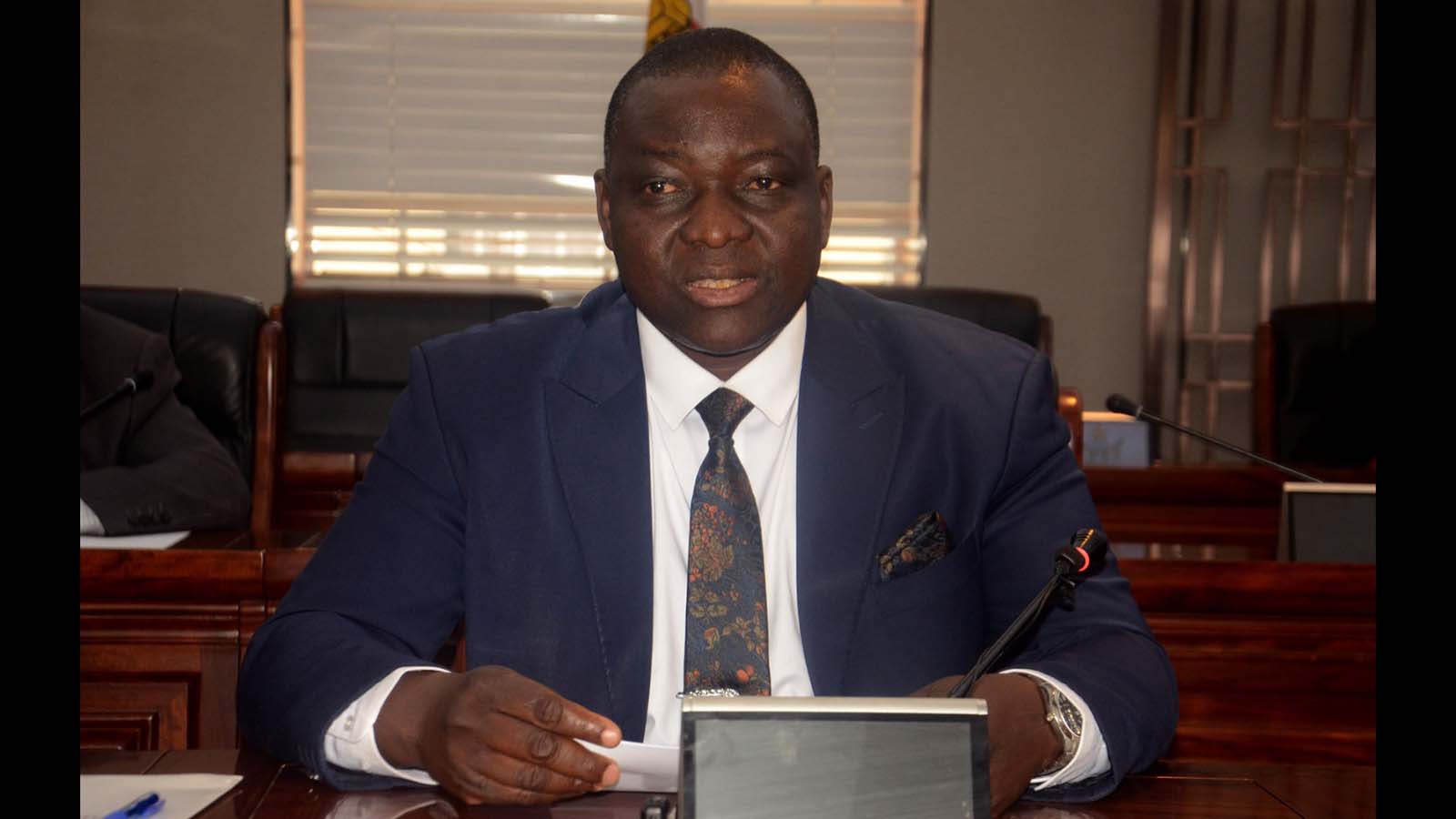
UNFPA technical specialist for sexual and reproductive health and rights, Dr Peter Mukasa, said fistula is one of the most devastating childbirth injuries affecting women.
“This condition strips women of their dignity because many of them become isolated in their communities and sometimes even chased away by their husbands. That is why programmes like these are important because they restore the dignity of women who have lived with this condition for years. When we repair the fistula, we are not just repairing a physical injury, we are restoring hope and rebuilding lives,” he said.
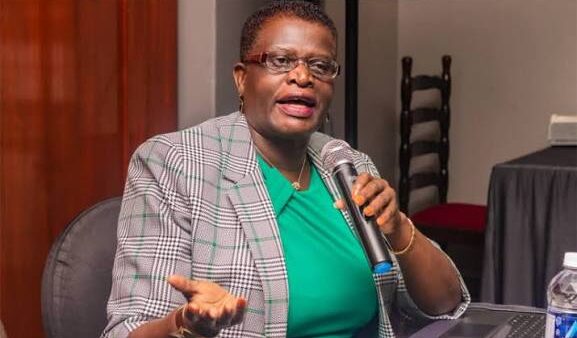
Midlands Provincial Medical Director Dr Mary Muchekeza said the ongoing fistula repair camp represented a major milestone for the province.
She said bringing the service to the province marked an important step towards decentralising specialised healthcare.
“In the past, many patients had to be referred to hospitals in cities like Bulawayo to receive specialised fistula repair surgery. For women coming from remote areas such as Gokwe, the cost and distance often meant they could not access treatment,” she said.
“Our hope is that this first camp will capacitate local doctors so that fistula repair services can continue even after the camp ends. My vision is that in the future fistula repair should become a routine procedure available daily at our hospitals so that women do not have to wait for special camps to receive treatment.”
Specialist obstetrician and gynaecologist at Gweru Provincial Hospital, Dr Johannes Mukwembi, said the camp was also helping build local capacity so that more repairs could be done within the country in future.
“We were projected to operate on about 45 clients who were on the national fistula register. These patients are identified through the national fistula programme, which then selects hospitals to host quarterly repair camps. For this first quarter, Gweru Provincial Hospital was selected to host the camp,” he said.
“So far we have operated on 33 women, with patients ranging in age from as young as 16 years. The response from our medical teams has been very encouraging because this is also an important learning opportunity for our doctors, nurses and trainee specialists.”
Dr Mukwembi said the presence of experienced fistula surgeons from outside the country was helping revive specialised surgical skills that had become rare locally.
“I have to say that the art of repairing complex fistula had almost become extinct in Zimbabwe due to the limited number of specialists performing these procedures. Having these camps in the country allows our local surgeons and registrars to learn these techniques and gain confidence in managing such cases,” he said.
“In the future, we want to see these repairs increasingly done by local teams in our own hospitals. Once our doctors are fully capacitated, many of the simpler fistula cases will be managed locally without waiting for visiting teams, which will greatly improve access to treatment for women across the country.”
For women like Ms Panganayi, the ongoing repair camp has already changed everything.
After years of silent suffering, these women are finally looking forward to living without shame or isolation.