malvernmugadzikwa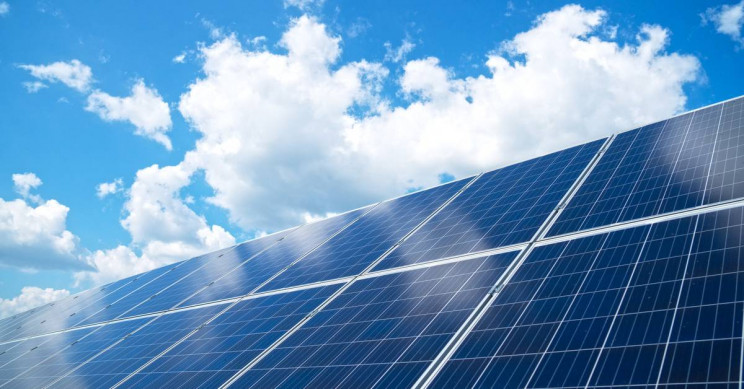
NEW research has found that several countries could meet all their energy needs from solar panel systems floating on lakes. Climate, water and energy environmental scientists PROFESSOR ALONA ARMSTRONG and DR IESTYN WOOLWAY analysed how much energy could be produced by floating solar panels on just 10 percent of the water surface of one million bodies of water globally. They found that Ethiopia and Rwanda could generate more energy than their current national energy needs from the floating energy systems alone.
*********************
How do floating solar panels work?
Also known as floating photovoltaic systems, these are solar panels mounted on structures that float on water bodies like lakes, reservoirs and ponds.
Floating solar panel systems use pontoons or rafts to keep the solar panels afloat.
These floating structures are anchored or tethered to the edges of the water bodies to ensure stability.
The systems can be designed to withstand varying water levels and weather conditions, including storms.
About five million square kilometres of the earth’s surface area (or 3,7 percent of the earth’s surface that is not covered with ice) is taken up by lakes and reservoirs.
Solar panel systems could be floated on many of these surfaces. The sun sets over an expanse of water on which about 20 long solar panel systems are mounted
Just like solar panels mounted on buildings or the ground, the floating systems convert sunlight into electricity using photovoltaic cells. The generated electricity is then transmitted to the grid or used locally.
Being on water helps keep the floating solar panels cool, and they produce more electricity than land-based ones and may last longer.
Floating solar panel systems are used by countries that do not have a lot of land available but do have large and numerous water bodies. Ghana recently installed the largest floating solar panel system in Africa on one of its reservoirs.
We used a tool called the Global Solar Energy Estimator to help us calculate how much energy solar panels could generate in over one million water bodies around the world.
We gathered data about sunlight and air temperature, and specific details about the solar panels.
Using satellite images of the water bodies, we worked out which parts of the water could be covered by solar panels.
We did not include water bodies that dry up, freeze over for more than six months a year, are situated within a protected area and are more than 10 kilometres from a population centre.
We also limited the size of the floating solar systems, taking potential technical and environmental constraints into account.
Advantages of the systems for African countries
Our research found that Rwanda and Ethiopia could generate far more energy from these systems than they currently use.
Rwanda could generate 237 percent of its current total energy needs, and Ethiopia 129 percent. Chad could generate 73 percent of its current energy needs from floating solar systems alone.
Mali, Madagascar, Malawi, Uganda, the Democratic Republic of Congo and Togo could generate between 15 percent and 58 percent of their total energy demand from floating solar panels. We also found that there are 1 977 water bodies across Africa that could be used to float solar panel systems.
This would spare the land that would otherwise be needed for land-based solar panels.
Floating solar panels can also help reduce water evaporation from lakes and reservoirs.
This would benefit water-scarce countries on the continent. Another benefit is that the panels shade the water, and this can reduce harmful algae blooms — mats of toxic bacteria — growing on the surface of the water, destroying water quality and aquatic life.
This can improve the health of water bodies and reduce water treatment costs.
Floating solar panel systems can also be set up in rural, remote or off-grid areas that have never had a regular supply of electricity before.
What are the hurdles?
African countries will need to address the following issues if they want to make full use of floating solar panel systems:
Grid connectivity and infrastructure
Many regions in Sub-Saharan Africa have limited or unreliable grid connections.
The grids need to be improved if these countries are to make full use of the electricity generated by floating solar panel systems.
If expanding the centralised grid is too expensive, off-grid solutions such as mini-grids near the water bodies need to be developed.
Regulatory and policy support
Governments will need to encourage the development of floating solar panel projects, including incentives, subsidies and streamlined permitting processes. They will also need to set up strict regulations, including environmental and safety standards.
Environmental considerations
Thorough environmental impact assessments will need to be carried out to avoid any potential negative effects on aquatic ecosystems and water quality.
Social considerations
Engaging with local communities to gain their support is very important. It is critical to take into account how communities use the water body. The aim should be to ensure that everyone benefits from the energy generated in an equitable way, and that “green grabbing” — where nature is sold to set up green energy systems, disadvantaging indigenous people — is avoided.
Many countries have large water bodies, a lot of sun and serious problems with water evaporation and algae blooms.
Floating solar panel systems can address these environmental problems and create low carbon energy at the same time.
The potential benefits are promising.
But more research is needed to understand their environmental impacts and optimise their design and implementation.
This include studying the long-term effects on aquatic ecosystems and water management practices. Solar energy generation produces minimal greenhouse gases compared to conventional energy sources like coal and natural gas.
This helps combat climate change and reduce air pollution. By using solar power, countries can reduce their reliance on imported fossil fuels and enhance energy security and economic stability.
Solar energy has also become more and more affordable. The world is aiming to achieve Net Zero — an end to all carbon gas emissions — by 2050. Floating solar panel systems can contribute to reaching this goal.
Alona Armstrong is the professor of Energy and Environmental Sciences at Lancaster University, while Dr Iestyn Woolway is a climate scientist whose research focuses on the physical interactions between climate and water, with a particular interest in the physics and hydrology of lakes worldwide.


 Online Reporter