Online Reporter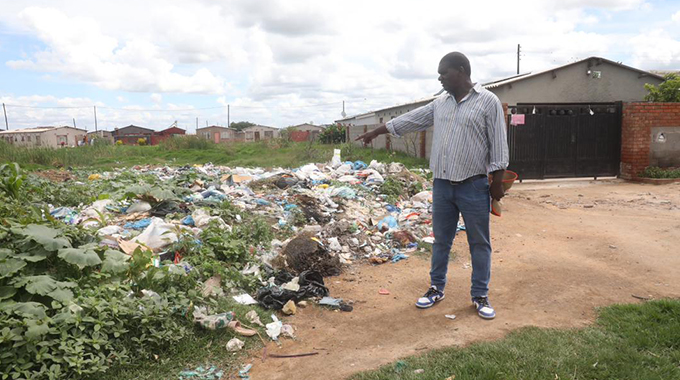
Mthokozisi Ncube
Persistent rains have turned life into a daily struggle for residents of Cowdray Park in Bulawayo, with families in the Garikai Hlalani Kuhle Segment Phase Two battling flooding, foul smells and collapsing sanitation as infrastructure woes refuse to go away.
With each downpour, water streams into homes, forcing residents to build humps of soil at their doorways in a desperate attempt to keep their houses dry. For many, sleep has become a luxury as they stay awake through the night guarding their property from floodwater.
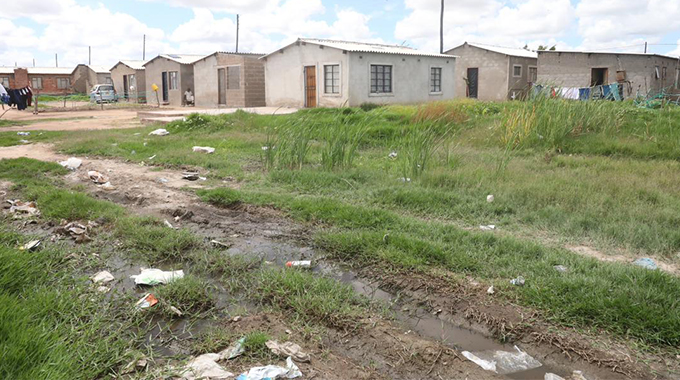
Adding to the misery is a swarm of flies linked to overflowing Blair toilets and oozing septic tanks. Used water has nowhere to go, leaving residents stuck with stagnant pools and unsanitary conditions.
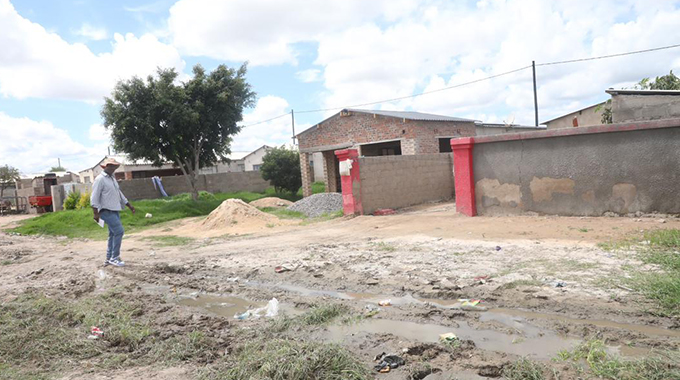
During the rainy season, some houses become completely inaccessible by vehicle. Even walking is dangerous as roads turn slippery and muddy. Ambulances struggle to reach homes during emergencies, putting lives at risk.
B-Metro spoke to Gift Dube, a Bulawayo Residents Association (Bura) representative in Cowdray Park, who said the problem has persisted for years.
“There are some houses just after Vulindlela Primary School that have always been losing property when it rains heavily due to poor drainage,” said Dube. “Flooding has caused sleepless nights in those areas.”
He said residents have been left with limited options.
“The only option has been re-establishing new Blair toilets once the old ones fill up or trying to put up barricade walls around houses to reduce the water that flows inside,” he said.
According to Dube, the long term solution is clear. “Establishing a sewer system that will enable houses to connect to it would be the answer. Total servicing of the area will resolve the problem.”
A B-Metro visit to Cowdray Park painted a grim picture. In one section, residents pointed out an illegal dumping site filled with used diapers and chicken manure, posing a serious health hazard.
“I used to burn this dump site and it made life better, but EMA stopped me,” said one resident. “I now fear for my grandchildren because they are exposed to cholera and other unknown diseases.”
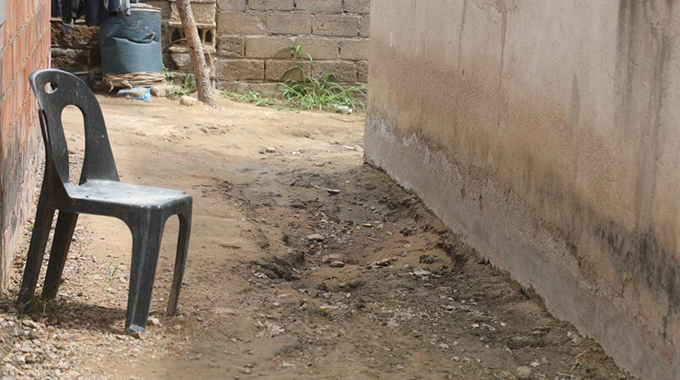
Another Bura representative, Modern Sibanda, said the lack of a sewer system has deeply affected the community.
“During the rainy season, Blair toilets overflow and human waste flows along the roads. Children play in pools contaminated with sewage, which is a major risk for disease outbreaks,” said Sibanda.
He added that foul smells choke the area, while flies invade homes in both rainy and hot weather, spreading disease.
Poor roads have also made access to health services difficult. Sibanda said there have been cases where residents had to walk nearly four kilometres to meet an ambulance. Transport operators exploit the situation by charging exorbitant fares, especially during peak hours.
The area has only one primary school, which cannot accommodate all pupils. Excess children end up in private, unregistered schools, placing their future at risk.
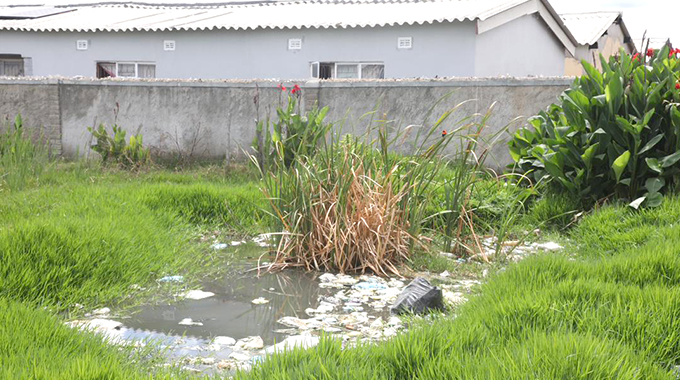
Some houses identified by the Bulawayo City Council as being built along waterways were earmarked for relocation more than three years ago, but nothing has happened. Each rainy season brings renewed fear as residents lose furniture and electrical goods.
In flood-prone areas, residents have dug trenches to divert water, but disputes arise when others block them to access their homes. Sibanda said there is a need for council approved trenches so that order and accountability can be maintained.
“Council must construct proper trenches to stop water flowing into people’s homes,” he said.
The Bulawayo City Council has always maintained the area as a work in progress, making improvements when resources permit.