Online Reporter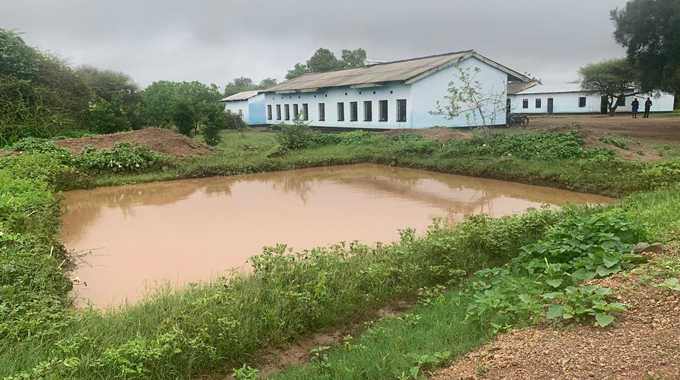
Sukulwenkosi Dube-Matutu, [email protected]
HEAVY rains have brought lessons to a standstill at Seboza Primary School in Gwanda. Floodwaters inundated teachers’ accommodation and several classrooms, forcing staff to evacuate.
The teachers lost all their belongings — furniture, clothing, food, and even important documents — and food intended for the school’s feeding programme was also ruined. The school is just one of many areas across the district affected by the severe flooding last week.
Seboza Primary School, which is prone to flooding, is set to be relocated. Each year, staff and learners at the school endure flooding caused by water flowing into the school from the Mkhalipe River. The constant flooding has been identified as a threat to the school’s infrastructure, jeopardising the safety of those at the school.

Due to heavy siltation of the Seboza Dam downstream, the Mkhalipe River’s flow has been redirected towards the school. The school, established in 1938, has an enrolment of 266 learners.
Matabeleland South Province has recorded severe damage to infrastructure, such as roads, schools, homes, bridges, and dams, due to the excessive rains.
Mr Brighton Kusena from the Seboza area said he is among villagers who tried to help teachers salvage their belongings. He said authorities need to intervene quickly, as children are now at home.
“This is a major blow for us as a community, as we depend on this school. The school has no teachers, as they have left because of the rains, and right now it’s as good as shut down. We need urgent intervention so our children can return to school.
“It’s not even safe for us to send our children to school in these circumstances, as the school environment isn’t safe for them as long as these rains persist. We also need a long-term solution to this problem because our school is affected by flooding every year. We will continue losing teachers,” he said.
Seboza Primary School Development Committee chairperson, Mr Mandla Nyathi, said children are missing out on lessons now that the teachers have left. He said the school has been affected by flooding in the past, but this time the situation was severe, with the water reaching knee level. He said parents had to help teachers remove the water using buckets.
Mr Nyathi said the teachers had to spend the rest of the night in classrooms that had not been affected by flooding. He said the teachers also need assistance, as they have suffered great losses.
Ward 24 Councillor, Ntokozo Ndabalime, said the school infrastructure is at risk of being destroyed, which means children will be left without a school. He said the school infrastructure is now old and cannot withstand the repeated flooding.
Clr Ndabalime said they had tried to create drains to keep the water out of the school, but their efforts were unsuccessful.
“We are worried that our school may be destroyed, and our children will be left without a school.
This flooding problem keeps recurring, but this year it has worsened. The infrastructure at this school might end up collapsing because it can’t withstand being submerged in water forever. We need assistance in keeping the water out of the school so that it can continue functioning,” he said.
Acting Gwanda Rural District Council chief executive officer, Mrs Sibonile Mpofu, said the council had resolved that the school should be relocated, as it is situated in an unsafe location. She said the absence of funds is stalling the new project.

Mrs Mpofu said a new layout plan has been produced, and the pegging of the new school site has been completed.
Gwanda District Development Co-ordinator, who is also the Civil Protection Committee chairperson, Ms Nomathemba Ndlovu, said a technical team from her office is conducting an assessment, and a report will be produced with recommendations on how the problem can be addressed. She said the persistent rains have caused severe damage to infrastructure, and in severe cases, lives have been lost.
She said the committee, through its structures at grassroots levels, continues to assess the situation in all wards and identify how best to combat the disasters. — @DubeMatutu.