

 Online Reporter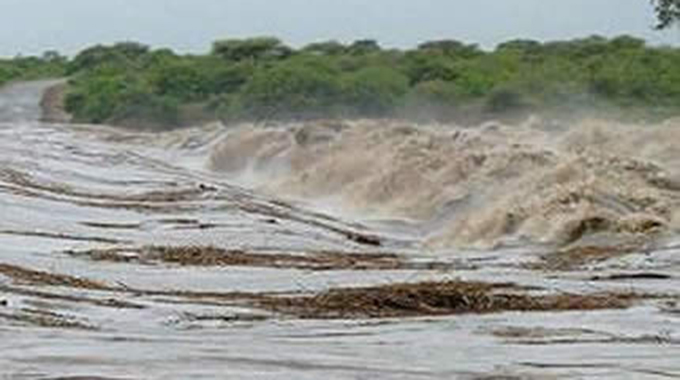
The Herald, 18 February 1997
BLANTYRE — Some 85 000 Malawian and Mozambican families have been left homeless by the flooded lower Shire River in a valley in southern Malawi, prompting President Bakili Muluzi to declare the phenomenon a disaster.
Mr Muluzi made the declaration at the weekend, appealing for relief aid for the victims of the country’s worst floods since 1989. But he did not say how much food would be required for distribution in the area near the border with Mozambique.
The floods have destroyed crops and public facilities and the government has been slow in distributing food aid and other items for several days as the main road leading to the valley is impassable.
In Johannesburg, the South African Air Force said at the weekend 200 people endangered by rising flood waters in Mozambique had been evacuated and that airdrops were being made of fresh water and fuel.
Mozambique’s second largest city Beira was cut off and thousands of people were forced to flee their homes after heavy flooding in Manica and Sofala provinces.
A South African Air Force Caravan aircraft was deployed over the weekend to make a survey of the flooded areas. Two helicopters were deployed later. “A total of 200 have been airlifted out of the area west of Beira which is the hardest hit by the floods,” SAAF spokesman Ms Laverne Machine said. She said heavy rains coming from Malawi were also causing Mozambican rivers to flood.
A C130 Hercules transport aircraft dropped 6 500 litres of fuel and 3 000 litres of water to the helicopter crews in Mozambique’s Caia area, which was inaccessible by road due to the flood waters, she said.
A Mozambican helicopter also began operating on Friday in the Zambezi Valley to seek out any people who might have been isolated by the flood waters and lift them to safety.
Lessons for today
- Southern Africa, including Zimbabwe, continues to experience severe, recurring and destructive flooding, much like the floods that displaced 85 000 people in Malawi and Mozambique in 1997. But today the scale, frequency, and impact have intensified due to climate change and settlement patterns.
- Zimbabwe is currently experiencing heavy rains, storms and flash floods across multiple provinces, driven by normal-to-above-normal rainfall patterns in the 2025–26 season. January 23 Manica Post reported that heavy rains, violent thunderstorms, and strong winds had battered Manicaland, cripping key public infrastructure and leaving roads impassable, schools and homes damaged, and health facilities in ruins.
- Zimbabwe continues to grapple with serious, repeated flood disasters up to this day. The situation has worsened due to climate change, settlement patterns, and inadequate infrastructure. Today’s floods resemble and often exceed the severity of the 1997 Malawi-Mozambique floods making rural and urban communities increasingly vulnerable each rainy season.
- Floods are now one of the most damaging climate hazards affecting agriculture in Zimbabwe, Malawi, Mozambique and other parts of the Sadc region. Recent reports (2025–2026) show just how broad and deep these impacts are.



