Chronicle Editor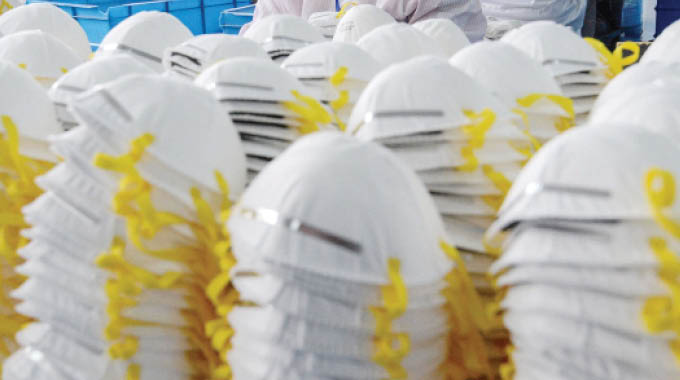
Business Editor
THE on-going lockdown against the spread of Covid-19 has created greater advantages for businesses dealing with fast-moving consumer goods (FMCG) who are riding on the sudden rise in demand.
This has seen some shops, in both urban and rural areas, increase prices of basic commodities such as mealie-meal, sugar and cooking oil, taking advantage of limited competition and constrained supplies.
Zimbabwe is under a 21-day lockdown since March 30, in keeping with global efforts to stem the spread of the deadly Covid-19 pandemic, which has claimed nearly 200 000 lives worldwide with about two million positive cases.
The closure of borders and restrictions on movement domestically, has brought its own advantages and disadvantages on the manufacturing and retail industries, according to the Professionals Business Association of Zimbabwe (Probaz).
For those businesses with limited import component, the lockdown window has created short-term spoils while for organisations that depend largely on imports for their manufacturing inputs, they have been affected adversely.
Probaz chief executive officer, Dr Lucky Mlilo, said the effect of the coronavirus on imports was inevitable given that the country was largely a consumptive economy.
“We have some members that are into the manufacturing of chemicals, laboratory and industrial detergents that are doing very well at this moment.
“Their manufacturing process depends largely on local input and a bit of imported input,” said Dr Mlilo.
“Having stocked well for the year, their manufacturing process has not been halted and their sales have increased tremendously.
“Other members in the textile and clothing sector have taken the advantage of the opportunity to manufacture the highly sought masks and increase their sales.
“Companies like Tongaat Hulett —Zimbabwe’s largest sugar producers have seen an upsurge in demand for their products like glycerol, hydro-peroxide and ethanol, which is being used in the manufacturing of masks and hand sanitisers by some institutions like the Great Zimbabwe University.”
The country’s universities have also responded positively having been given the nod by the Government to manufacture and supply masks, sanitisers and other protective clothing to health institutions. These are in high demand too, said Dr Mlilo.
“We have also seen local authorities use hydro-peroxide in the sanitisation of the Central Business Districts and outlying areas.
“Demand for foodstuffs has increased during the lockdown and manufacturers in this industry have increased production since this is an essential service,” he added.
“We have also noticed an increase in delivery services for food stuffs, especially mealie-meal, beef and poultry products a service that had long ceased unless one was buying in bulk.”
Although Government has slammed profiteering businesses, it has stated the need to scale up domestic production in line with the local content strategy that seeks to reduce dependency on imports.



 Online Reporter