Online Reporter
Rutendo Nyeve, [email protected]
THE Department of Veterinary Services in Matabeleland North has activated emergency controls following the confirmation of a foot and mouth disease (FMD) outbreak in parts of the province, posing a renewed threat to the national herd at a time livestock movement typically increases during the rainy season.
Provincial veterinary director, Dr Gwinyai Zhandire, confirmed that the outbreak has been recorded in Umguza District and at one dip tank in Tsholotsho District. The detection has heightened concern among livestock farmers and authorities, who fear further spread if swift and co-ordinated action is not maintained.
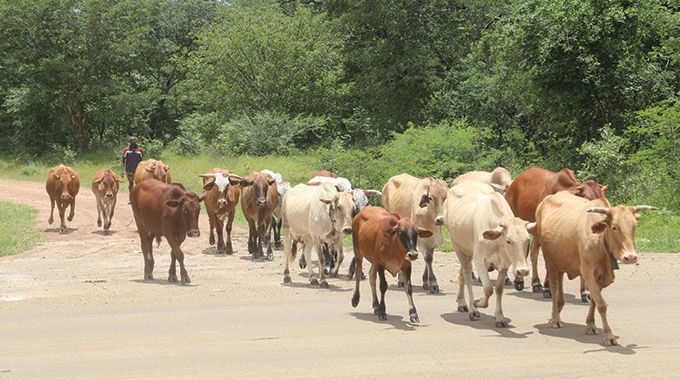
In response, the Government has moved quickly to implement a series of containment measures. These include immediate livestock movement controls, targeted vaccination campaigns and intensified active surveillance across all affected and surrounding areas to identify any additional cases as early as possible.
“We encourage all farmers to strictly observe and comply with livestock movement regulations to prevent further spread,” said Dr Zhandire.
Dr Zhandire also warned that the current rainy season significantly increases the risk of livestock diseases, urging farmers to maintain weekly dipping to suppress the spread of infections transmitted through direct contact or shared grazing areas.
FMD is a highly contagious viral disease affecting cloven hoofed animals such as cattle, pigs, sheep and goats.
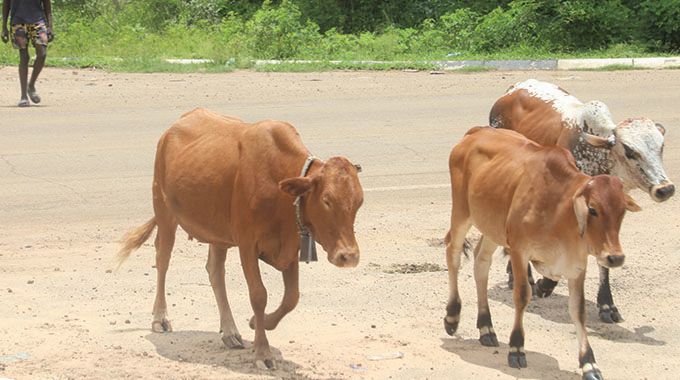
While the disease is rarely fatal in adults, it causes high fever, painful blisters and lameness, which can severely affect animal weight, milk yield and overall productivity. Its rapid transmission has historically crippled livestock dependent economies and triggered strict international trade restrictions.
This new outbreak comes as authorities report progress on another FMD incident recorded recently in Mangwe District, Matabeleland South, which they say is now firmly under control.
Lands, Agriculture, Fisheries, Water and Rural Development Permanent Secretary, Professor Obert Jiri, confirmed that investigations traced the Mangwe outbreak to a stray buffalo.
“Veterinary teams are working to contain the disease and prevent further spread. So far, Zimbabwe remains safe in terms of Foot-and-Mouth Disease, except for Mangwe, which is already under control,” said Prof Jiri.
However, he noted that the broader regional situation remains tense, with neighbouring countries such as Botswana, South Africa and Zambia experiencing rising cases of FMD.
The proximity of these outbreaks poses a real danger to Zimbabwe, where cross border livestock movement and wildlife interactions are common.
The Government has therefore increased national surveillance efforts and tightened border controls in a bid to protect Zimbabwe’s predominantly FMD free status.
“The Government is closely monitoring developments across borders and may issue additional guidance in the coming days to ensure the country’s disease-free status is maintained.
“The regional situation is tense but we are confident that with vigilance and timely interventions, we will keep the situation calm,” said Prof Jiri.
He also highlighted the ongoing battle against tick borne diseases. Reflecting on the devastation caused by January disease in 2017 — which claimed over half a million cattle — Prof Jiri said significant progress has since been made.
Local vaccine development, strengthened dipping under the 5 5 4 programme and widespread distribution of tick grease and other treatments have helped reduce losses and stabilise the sector.
The Government has reaffirmed that rigorous surveillance, consistent vaccination programmes and strict adherence to livestock management regulations will remain the key pillars for safeguarding the country’s livestock through this high risk season.