Fairness Moyana in Mabale
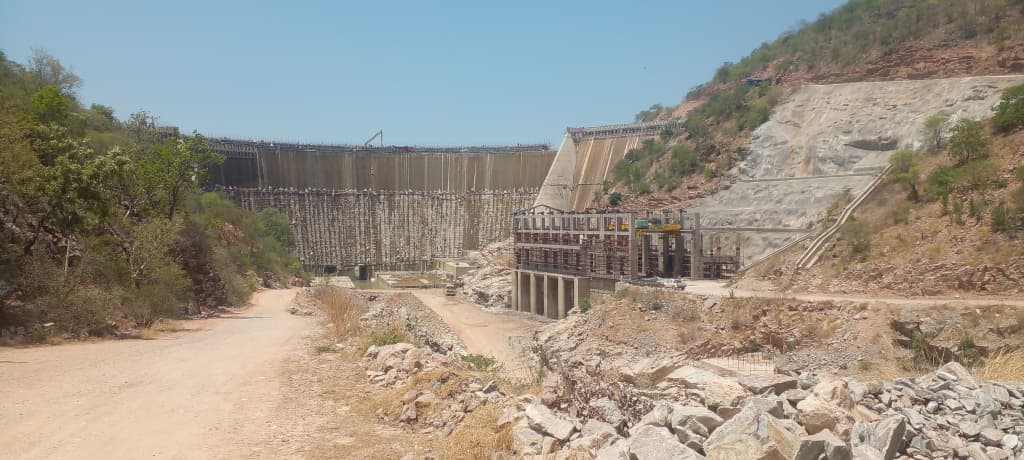
CONSTRUCTION of Lake Gwayi-Shangani Dam has reached 83 percent completion, with Government targeting to begin impounding water during this coming rainy season as it steps up efforts to relocate 805 families living within the dam basin.
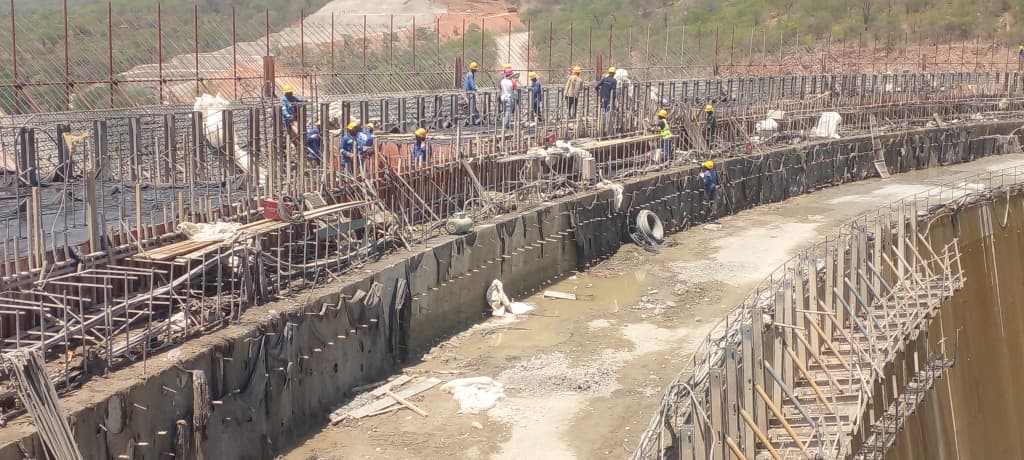
The project, expected to supply water to Bulawayo and support irrigation development along the pipeline, has reached a height of 61 metres which means only 2,5 metres of construction is remaining.
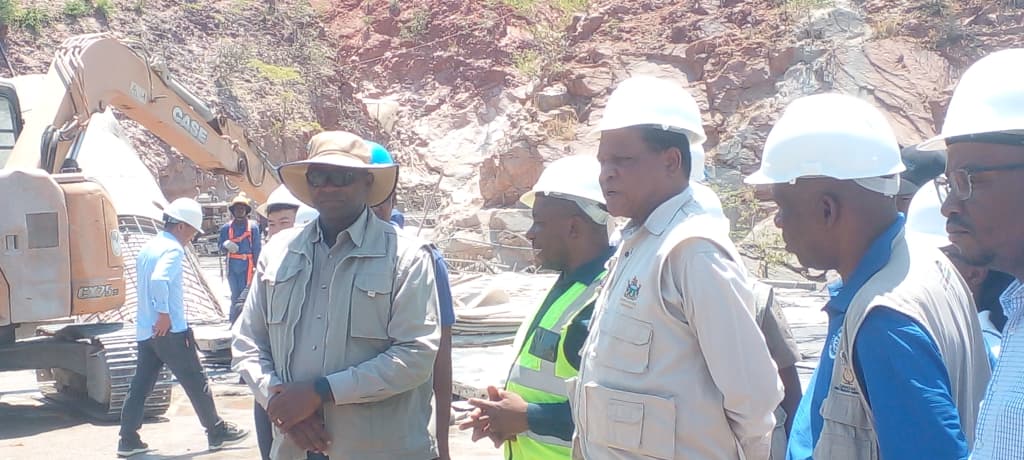
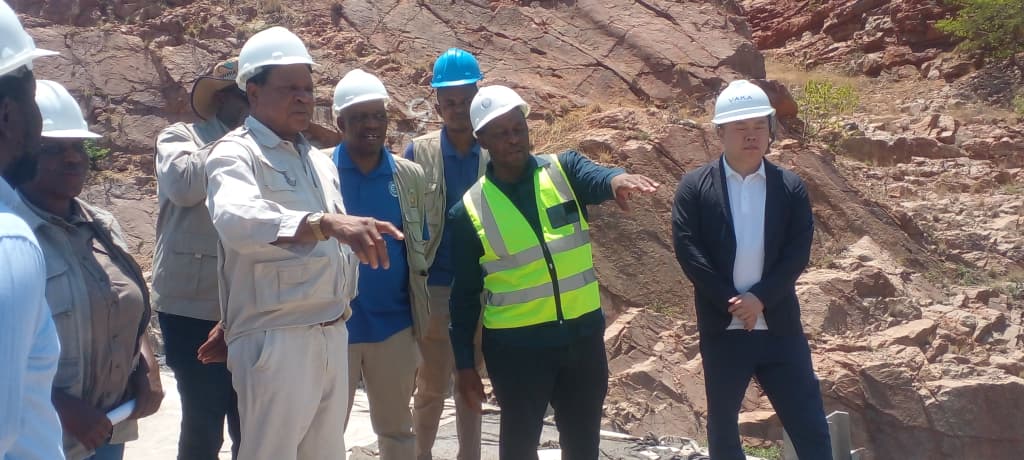
Agriculture, Mechanisation and Water Resources Development Minister Dr Anxious Masuka said this during an inspection visit to the project on Friday, where he expressed satisfaction with progress made by the contractor.
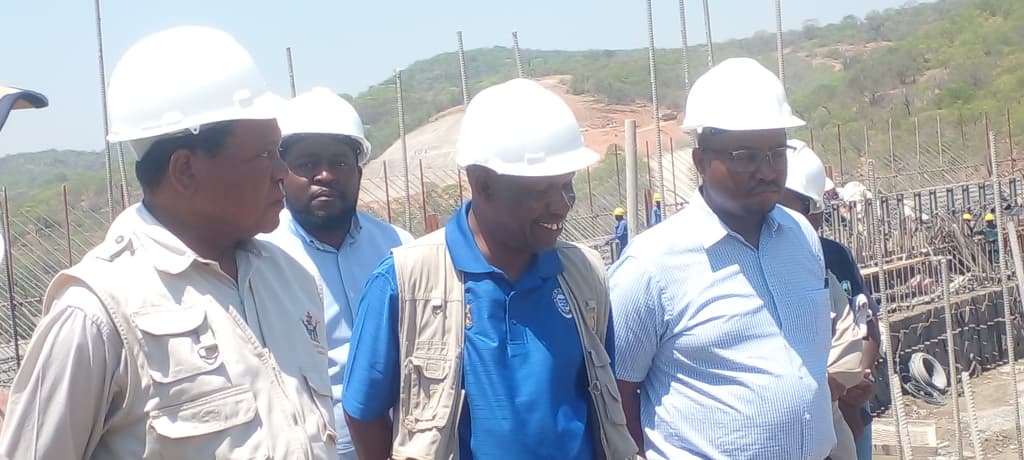
“We are very pleased with the work the contractor has done. We are now 83 percent complete, 61 metres high which means we are left with 2,5 metres of construction. We look forward to impounding water from mid-season onwards,” he said.
Dr Masuka said Government was now prioritising the relocation of families living within the dam basin to protect them from rising water levels.
A total of 805 families are set to be relocated and the exercise will be led by traditional leaders who include chiefs, headmen and village heads.
Unlike previous relocation arrangements whereby affected families were given money to construct their own houses, Dr Masuka said this time Government will directly oversee the building of new homes.
“We are moving away from the past system of giving people money to build their own houses. This time Government will build the houses based on selected designs so that people have decent homes,” he said.
Minister Masuka appealed for continued Treasury support, saying increased funding will accelerate both the outstanding construction works and the relocation programme.
He said the powerhouse was also nearing completion and would generate electricity for the dam’s operations while the surplus power will be fed into the national grid.
Minister Masuka said the dam’s benefits would extend beyond water supply, with Government planning to develop fisheries and irrigation schemes, starting with a 200-hectare irrigation project on the Binga side.
Further irrigation opportunities would be created on the Hwange side at the five water delivery points along the 252-kilometre pipeline to Cowdray Park in Bulawayo.
Dr Masuka said the dam project was central to rural development and the attainment of Vision 2030.
Zimbabwe National Water Authority (ZINWA) director of engineering and hydrological services Engineer Takudza Makwangudze said the immediate priority was to complete critical dam infrastructure to allow controlled water storage.
He said ZINWA was still releasing water through the dam’s bottom outlets but intended to close them to begin impounding water during this coming rainy season.
Eng Makwangudze however said families living within the dam’s dead water level would need to be relocated before water storage reached levels that could expose them to flooding.
He said the completion of critical works, including the relocation exercise and the Pump Station depended on the availability of funding.
Eng Makwangudze said Government was disbursing about US$4 million monthly towards the project, but increasing the amount to approximately US$8 million would enable ZINWA to quickly complete the outstanding works.
“If we can increase it to about US$8 million a month, we will be able to quickly complete all the critical works associated with impounding the water and the Pump Station,” said Eng Makwangudze.
Meanwhile, construction of the pipeline infrastructure to Bulawayo is at seven percent complete which means very little has been done.
Eng Makwangudze said the water transfer system would comprise six booster pump stations, a 1 400-millimetre glass-reinforced plastic pipeline and a treatment plant with capacity to process 240 megalitres of water per day.
He said work had started on the foundations of the first and second booster pump stations while significant progress has been made at the third station where a 6,5-megalitre storage reservoir and a pump house had been constructed.
Work on the remaining pump stations was largely at the site-clearing and preparation stage.