

 Online Reporter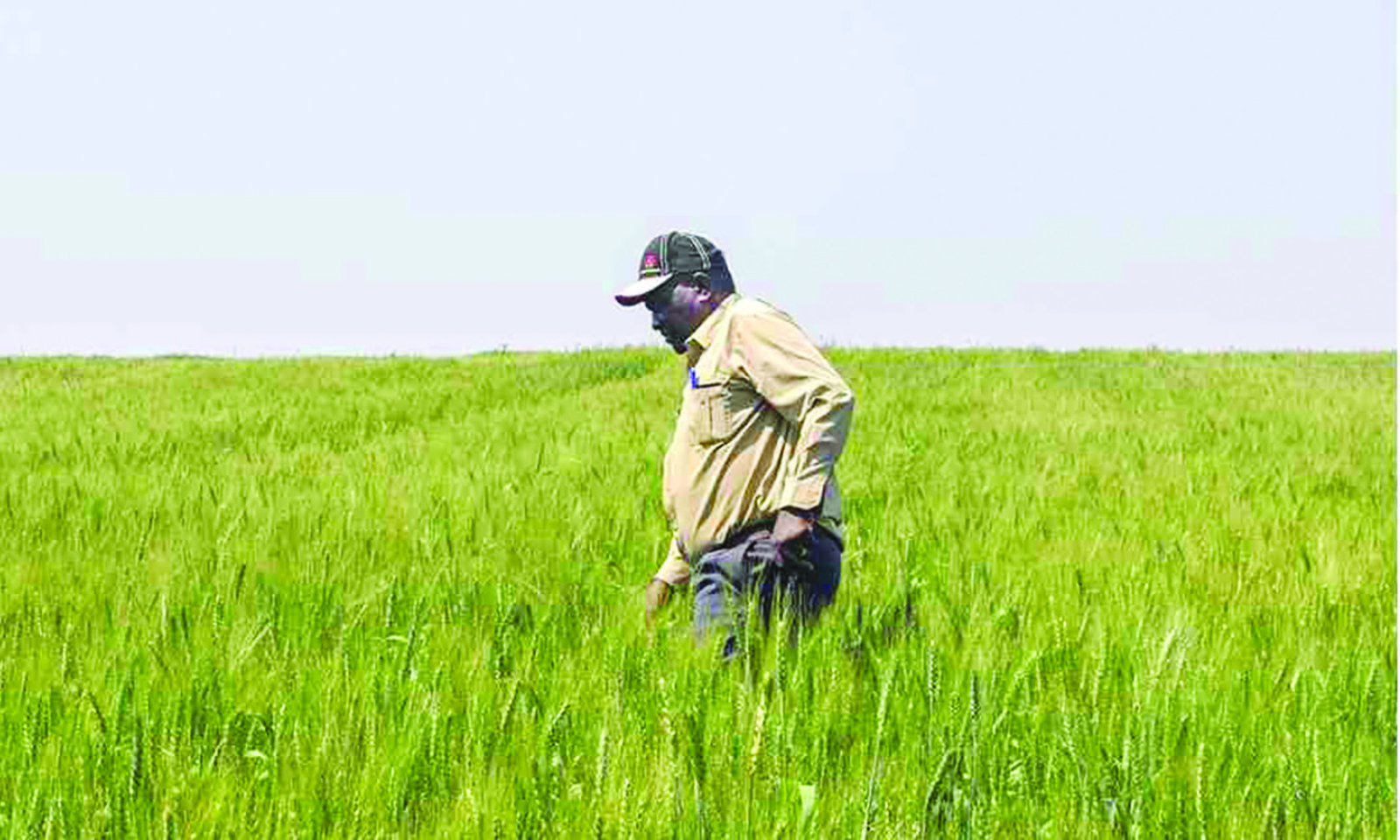
Elita Chikwati
Agriculture News Editor
Wheat farmers have been urged to follow correct agronomic practices to achieve the targeted national yield of 600 000 tonnes.
This comes as the Zimbabwe National Water Authority (Zinwa) has indicated that national dams have adequate water for wheat irrigation.
More than 122 142 hectares have been planted to wheat during this winter season, surpassing the initial target of 120 000 hectares by 102 percent.
During a post-Cabinet press briefing on Tuesday, Information, Publicity and Broadcasting Services Minister Dr Jenfan Muswere said the Government was working towards achieving the targeted yield of 600 000 tonnes.
“Government continues to monitor key enablers to guarantee the achievement of an anticipated production of 600 000 tonnes of wheat from the 2025 season.
“Currently, barley planting stands at 6 115 hectares, achieving 94.1 percent of the 6 500-hectare target. Meanwhile, 4 512 hectares of potatoes have been planted, against a target of 8 750 hectares, “he said.
Agricultural and Rural Development Advisory Services (ARDAS) acting chief director, Mr Leonard Munamati, said farmers should tend to their crops if they are to achieve the intended yields.
“Farmers now need to concentrate on the best agronomic practices to produce the expected 600 000 tonnes.
“Farmers should follow proper irrigation schedules. They can get advice from ARDAS engineers to make sure the crop gets adequate water. There is also a need for weed management to ensure they (weeds)do not compete with wheat,” he said.
Mr Munamati also urged farmers to control pests.
Zimbabwe National Farmers Union vice president Mr Edward Dune said the condition of wheat was good in most areas.
“The current wheat condition is fair to good, ranging from early vegetative to tillering stages in most cases, requiring more irrigation and nitrogen. Wild animals like reed bucks continue to be a challenge,” he said.
Zinwa corporate communications manager, Mrs Marjorie Munyonga, said on Monday, the national dam level average stood at 87 percent.
“This is 15,1 percent higher than 71, 9 percent recorded during the same week last year, signalling a strong water security position for the country as the winter cropping season gets into full swing.
“Zinwa dams currently hold sufficient water volumes to meet the requirements of the planted wheat hectarage and that of other irrigated crops such as horticulture crops, citrus, livestock pastures and urban domestic water needs,” she said.
Mrs Munyonga, however, said the water levels were starting to drop in a corresponding response to the increase in intensifying drawdowns by both irrigating farmers and local authorities.
She said more than 620 farmers drawing water from national dams had signed water abstraction agreements for the year for purposes of growing wheat, barley and potatoes.
“Other farmers have also signed water abstraction agreements to grow sugarcane, tobacco, citrus fruits, horticultural crops and to abstract water for watering livestock and livestock pastures.
“For the efficient and sustainable implementation of a successful winter cropping season, ZINWA strongly appeals to farmers who may have planted without water abstraction agreements to approach their respective catchment and service centre offices and regularise their water use,” she said.
Water abstraction agreements allow the authority to optimally allocate the available water resources amongst the competing needs of diverse water users, and any water abstractions without agreements distort water demand patterns as water is released from the dams on the basis of existing water abstraction agreements.
“Farmers with agreements are also advised to observe and adhere to their water allocations.
“The authority will not be releasing any water to individuals without valid water abstraction agreements,” said Mrs Munyonga.
ZINWA has also intensified its monitoring and surveillance mechanisms along river channels to put an end to illegal abstractions, which may interfere with water abstractions and allocations for farmers with valid water abstraction agreements.



