

 Blessing Chizhande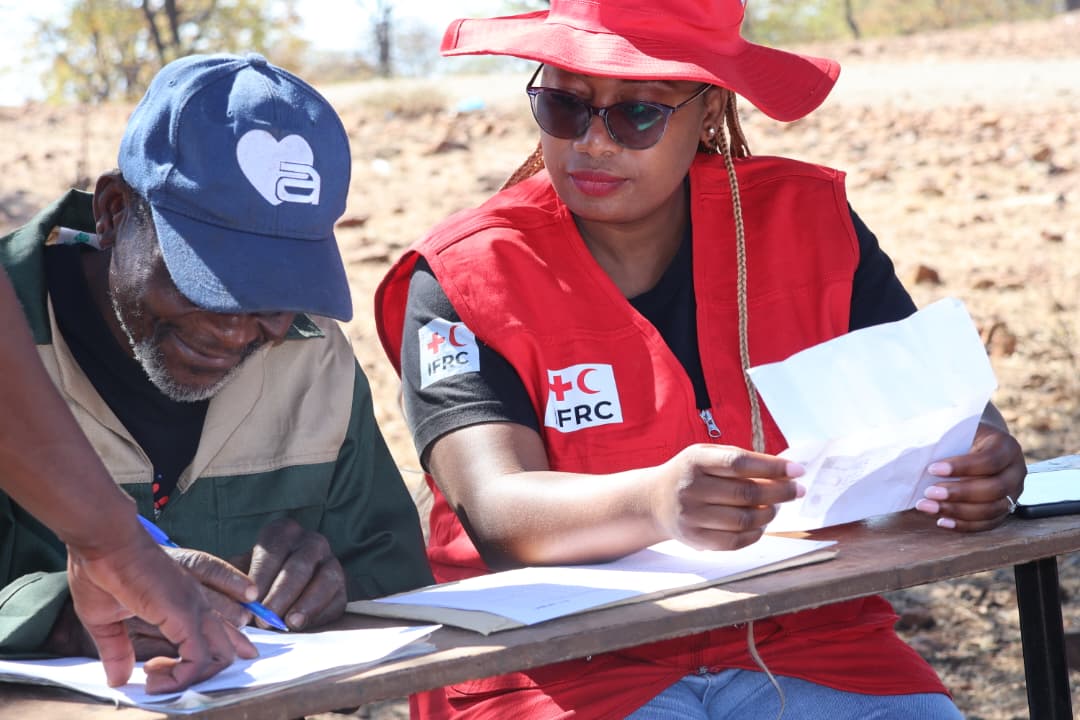
Theseus Mauruki Shambare in CHIKOMBEDZI
FOOD aid is bringing relief to flood-hit families in Mhlanguleni, Chiredzi, as humanitarian agencies step up assistance to communities whose homes, food stocks and crops were destroyed during the 2025–26 rainy season.
About 10 000 people affected by flooding in Chiredzi and Beitbridge districts are set to benefit from food and other basic household commodities under a disaster response programme being implemented by the Zimbabwe Red Cross Society.
The assistance is being provided through the International Federation of Red Cross and Red Crescent Societies (IFRC) Disaster Response Emergency Fund (DREF), targeting vulnerable households still struggling to recover from the effects of the floods.
In Mhlanguleni, 170 people from 37 families received assistance on Friday, with similar distributions taking place in Boli and affected areas of Beitbridge.
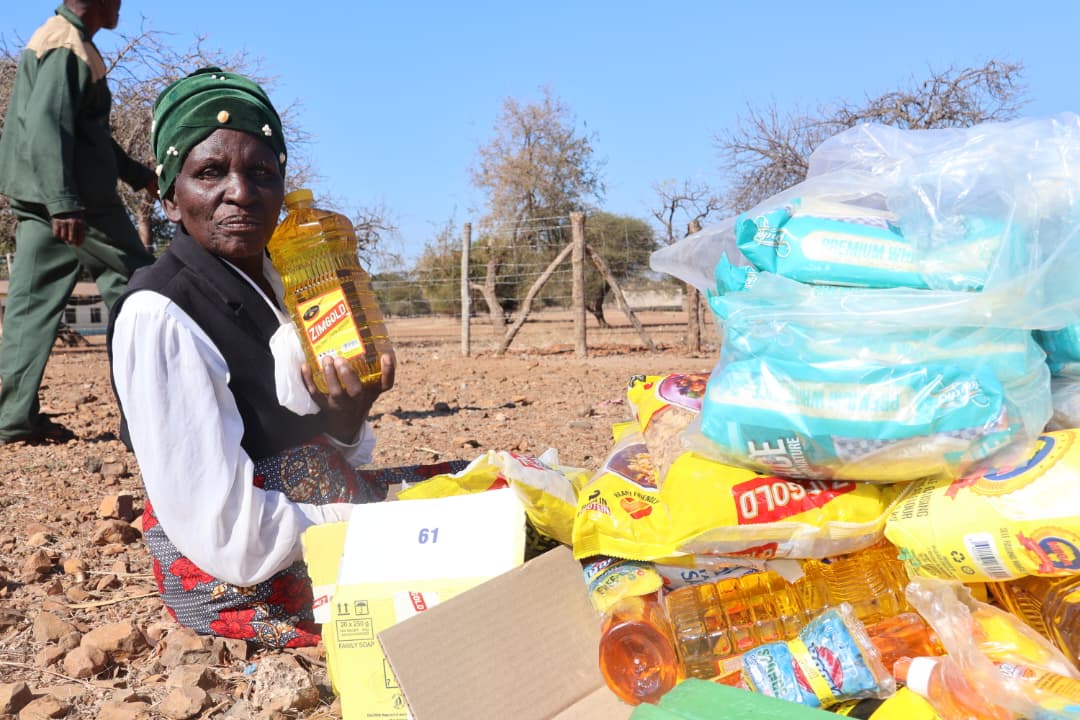
Beneficiaries received essential food and grocery items including rice, sugar, salt, cooking oil and soap, alongside other household necessities.
For Muhlava Chikendhlemusi of Chindlale Village, the assistance came after floods destroyed her home and left her family struggling to rebuild.
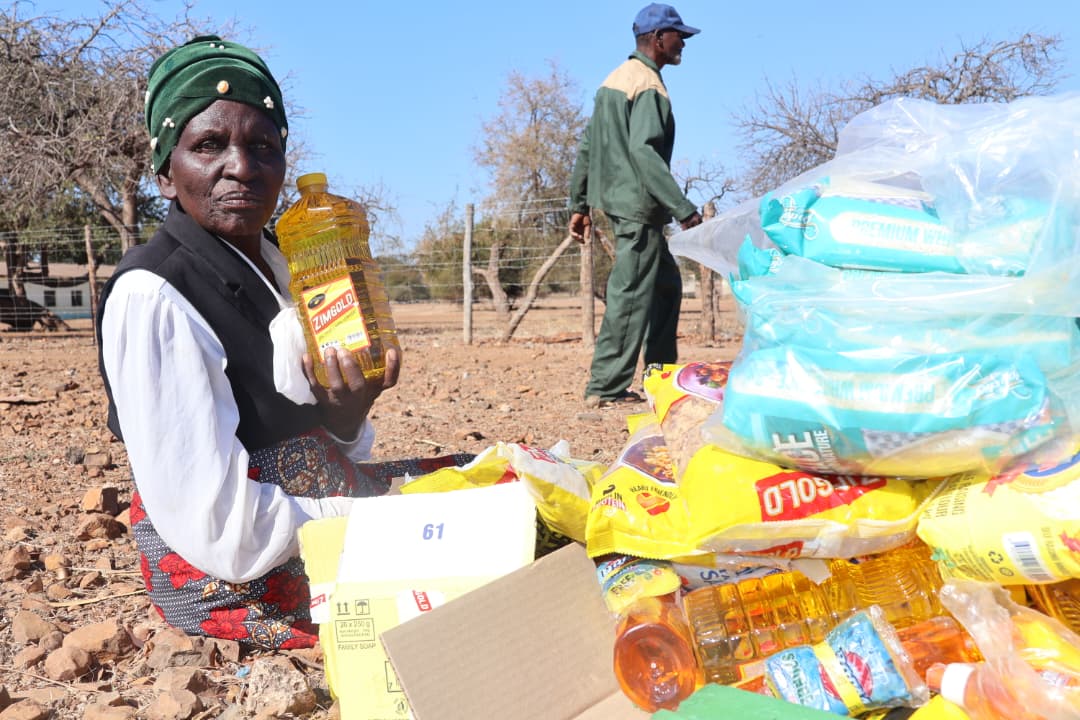
“When the floods came, my house was destroyed and we lost some of the things we had worked for. It has not been easy living with the effects of the floods, especially because we still have to rebuild our home and find ways of getting food,” she said during food distribution on Friday.
“This assistance has come as a big relief to my family. At least we have something to eat as we try to put our lives back together.”
The flooding followed intense downpours between December 2025 and February 2026, which caused extensive damage in parts of Chiredzi and Beitbridge.
Strong winds and flash floods destroyed or damaged houses, while families lost blankets, clothing, bedding, cooking utensils and other household property.
The floods also hit agriculture, with waterlogging and hailstorms destroying maize, small grains and horticultural crops at critical growth stages.
For 62-year-old Senzeni Mahachi of Gundani Village under Chief Mupapa, the loss of food and household resources left families struggling to meet their daily needs.
“The floods made life very difficult for us because we lost food and some of the things we depended on at home. Since then, we have been struggling to make ends meet,” she said.
“Receiving this food today has given us great relief because we can now take something home for our families to eat.”
The disaster also disrupted access to essential services, with swollen rivers and damaged bridges isolating communities in Chiredzi South and parts of Mwenezi.
IFRC planning, monitoring, evaluation and reporting officer Ms Tariro Kamangira said the organisation was supporting the Zimbabwe Red Cross Society in assisting affected communities.
“As IFRC we work with the Zimbabwe Red Cross and we play an auxiliary role to the Government of Zimbabwe. We are there to save lives. Wherever disaster strikes, we are the first ones to respond, to make sure we save lives,” she said.
Zimbabwe Red Cross Society secretary-general Mr Elias Hwenga said the assistance was intended to meet immediate needs while helping families regain stability.
“For families who have lost their homes, food and household belongings to flooding, this assistance is about more than meeting immediate needs, it is about restoring dignity and giving communities the support they need to begin rebuilding their lives,” he said.
The DREF response also covers shelter, water, sanitation and hygiene, multipurpose cash assistance, health, protection, gender and inclusion, and community engagement.



 Online Reporter