Online Reporter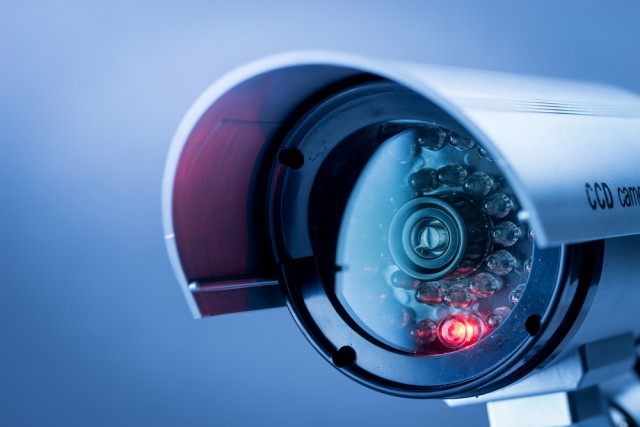
Jacqueline Ntaka [email protected]
WALK through any major city today and chances are you are being watched. From shopping centres and airports to banks, street corners and traffic intersections, closed-circuit television (CCTV) cameras have become part of everyday life.
They are often installed for good reason: to fight crime, improve public safety and help authorities respond quickly when trouble strikes. Yet as cameras continue to multiply across the world, an uncomfortable question is emerging: are we slowly giving up our privacy in public spaces?
The phrase “Big Brother” comes from George Orwell’s famous novel Nineteen Eighty-Four, where citizens live under constant surveillance. For decades, the idea seemed like fiction. Today, however, advances in technology are bringing parts of that vision closer to reality.
Modern CCTV systems are no longer simple recording devices. Many are now linked to artificial intelligence, facial recognition software and data analysis tools capable of identifying individuals, tracking movements and monitoring behaviour in real time. In some cities, a person can be followed by dozens of cameras during a short journey without ever realising it.
Supporters of surveillance argue that these technologies make communities safer. Police can use footage to identify suspects, investigate crimes and find missing persons. Businesses rely on cameras to deter theft, while local authorities use them to monitor traffic congestion and improve urban management.
Few would argue against the value of security. The challenge lies in finding the balance between safety and privacy.
Many urban residents have already accepted that cameras are a permanent feature of modern life. What was once alarming has become normal. People walk past cameras every day without giving them a second thought. Yet the sheer scale of surveillance is steadily increasing. Every year, more cameras are installed, more images are collected and more data is stored.
The result is a world in which anonymity is slowly disappearing. There may come a time when nothing we do in public spaces is truly private. Every movement, every journey and every interaction could potentially be recorded somewhere.
Zimbabwe is not immune to this trend. Like many countries, it has embraced surveillance technology as cities seek ways to curb crime and improve public safety. CCTV cameras are increasingly visible in central business districts, shopping centres, fuel stations, banks and major roads. As urban areas become more connected, the number of cameras is likely to grow further.
Many residents welcome the development, particularly in areas affected by theft, vandalism and other criminal activities. For them, cameras offer an added layer of protection. However, growing surveillance also raises important questions. Who owns the data? How long is it stored? Who has access to it? And what safeguards exist to prevent abuse?
These are questions that governments, businesses and citizens will increasingly have to confront.
Technology rarely moves backwards. If current trends continue, future cities may resemble giant digital observation rooms, where cameras, sensors and intelligent systems work together to monitor daily life. The benefits may be significant, but so too are the risks.
For now, CCTV remains a tool. Whether it becomes a guardian of public safety or a symbol of constant surveillance will depend on how societies choose to use it. One thing seems certain: the world is becoming more watched than ever before, and the age of privacy in public places may be slowly fading into history.
Jacqueline Ntaka is the CEO of Mviyo Technologies, a local tech company that provides custom software development, mobile applications and data analytics solutions. She can be contacted on [email protected]