admin
admin
Precious Manomano-Herald Reporter
In the wake of the ravaging El Nino-induced drought, Government has taken drastic measures to ensure that grain is available to about 7,7 million people in need of food aid, from both rural and urban areas.
Already, distribution of food relief is underway with grain importation and a schools feeding programme in the offing.
At the same time, the establishment of irrigation schemes and drilling of boreholes is also shaping up in every part of the country. This season, the Government is also targeting to increase the winter wheat hectarage to curb food shortages.
Latest official statistics indicate that 6 million people in communal areas and 1,7 million in cities and towns require food assistance, and following the declaration of a State of Disaster by President Mnangagwa, resources are being pooled together, by the Government and private sector, to ensure that no one starves.
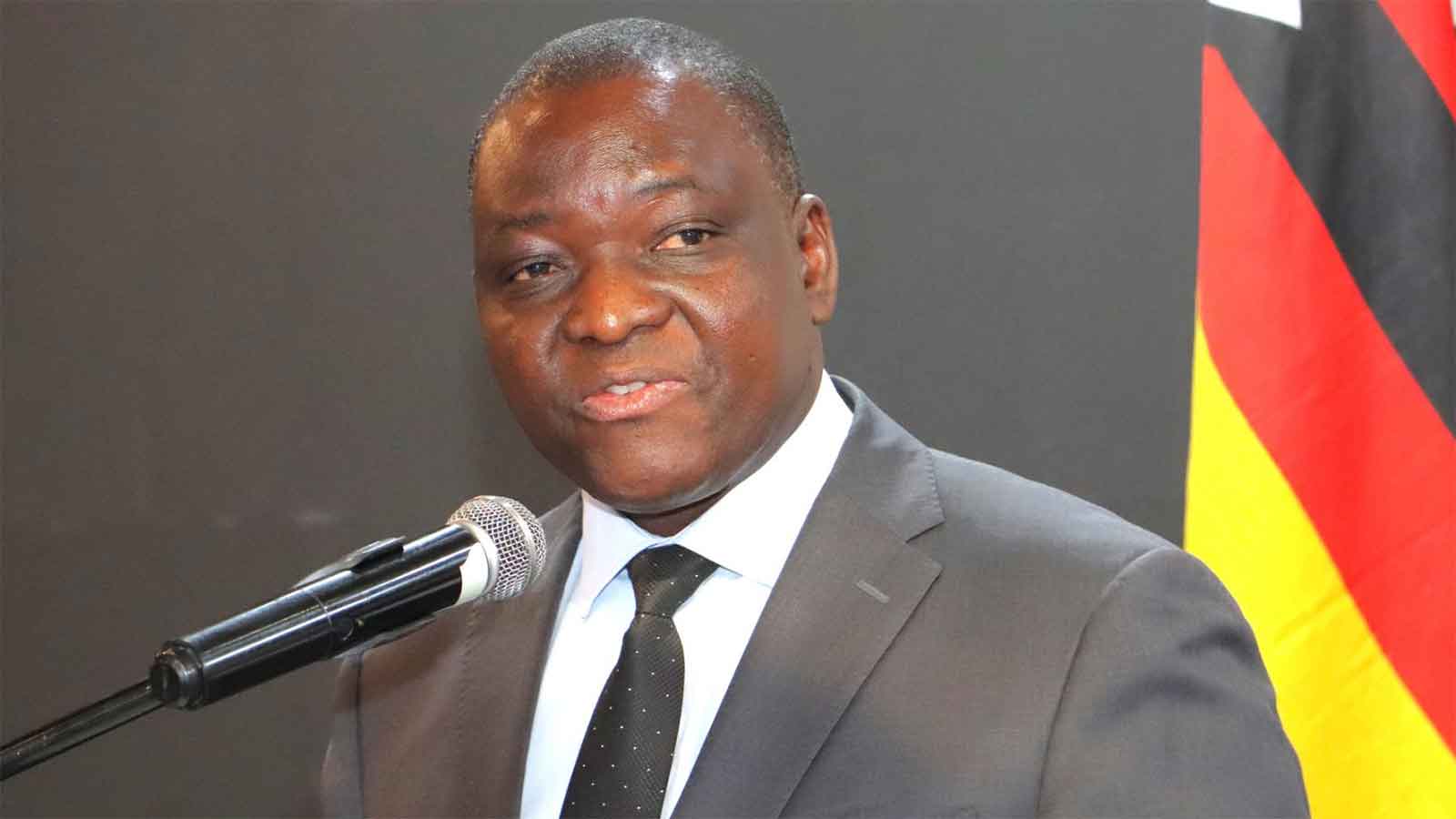
In an interview, Lands, Agriculture, Fisheries, Water and Rural Development permanent secretary Professor Obert Jiri said the private sector started importing grain last August, adding that this is critical in addressing food shortages in the country.
“After our assessment, about 6 million in communal areas and 1,7 million in urban areas need food aid. So as Government, we need to intervene and ensure that all these people are food secure.
“Despite this serious drought, farmers were prepared. Some still have the stocks from the previous season. We appreciate farmers who have prepared for this drought. So far we have the grain in the Strategic Reserve Grain, so the Government wants private players to step up to ensure enough food for the vulnerable and nationally, regardless of the impact of drought on the current season.
“We urge private players to import as much as possible to avert food shortages. The other issue is the bigger wheat hectarage that we are targeting this season. It will curb food shortages as well,” he said.
Prof Jiri added that all vulnerable and food-insecure households will have access to grain as the Second Republic scales up efforts to fight hunger across the country.
The Government will also start importing cereals but statistics indicate that it will take several months before the imports are needed to supplement the local stocks in the Strategic Grain Reserve.
This week Cabinet said despite the El Nino-induced drought and declaration of the State of Disaster by the President, all was in place to provide affordable grain, through sale or social welfare channels, till the next harvest in March 2025.
Speaking during a post-Cabinet briefing on Tuesday, Information, Publicity and Broadcasting Services Minister, Dr Jenfan Muswere, said Cabinet received and adopted the update on the summer marketing and winter cereals plan, which was presented by the Minister of Lands, Agriculture, Fisheries, Water and Rural Development, Dr Anxious Masuka.
Minister Muswere said the food security balance sheet comprises stock held by individuals, the private sector and Government, the El Nino-induced drought harvest gleanings, imports by Government and the private sector and winter cereal production.
“The wheat-based food security strategic intervention will reduce the import requirement by the Government by 486 000 tonnes, which is equivalent to US$189,5 million. Sufficient resources will therefore be deployed towards the timeous payments for local grain deliveries.
“The shortfall in grain requirements will be met through imports by the private sector, which has indicated the capacity to import 1 000 000 tonnes between April 2024 and March 2025, to mitigate the effects of drought,” he said.
Minister Muswere said the Grain Marketing Board stocks as at April 25, 2024 for maize, traditional grains and Strategic Grain Reserve wheat are 308 139 tonnes, and that of wheat available for sale is 122 072 tonnes.
Recently, Government introduced new measures aimed at ensuring food availability, which will take effect in July, including duty waivers on the importation of rice, maize, potato seed, cooking oil and genetically modified maize for stock feed, whose milling and distribution will be strictly supervised.
Recently, President Mnangagwa said the Government would intervene to mitigate the effects of drought while seeking assistance internationally and locally.


 Online Reporter