Online Reporter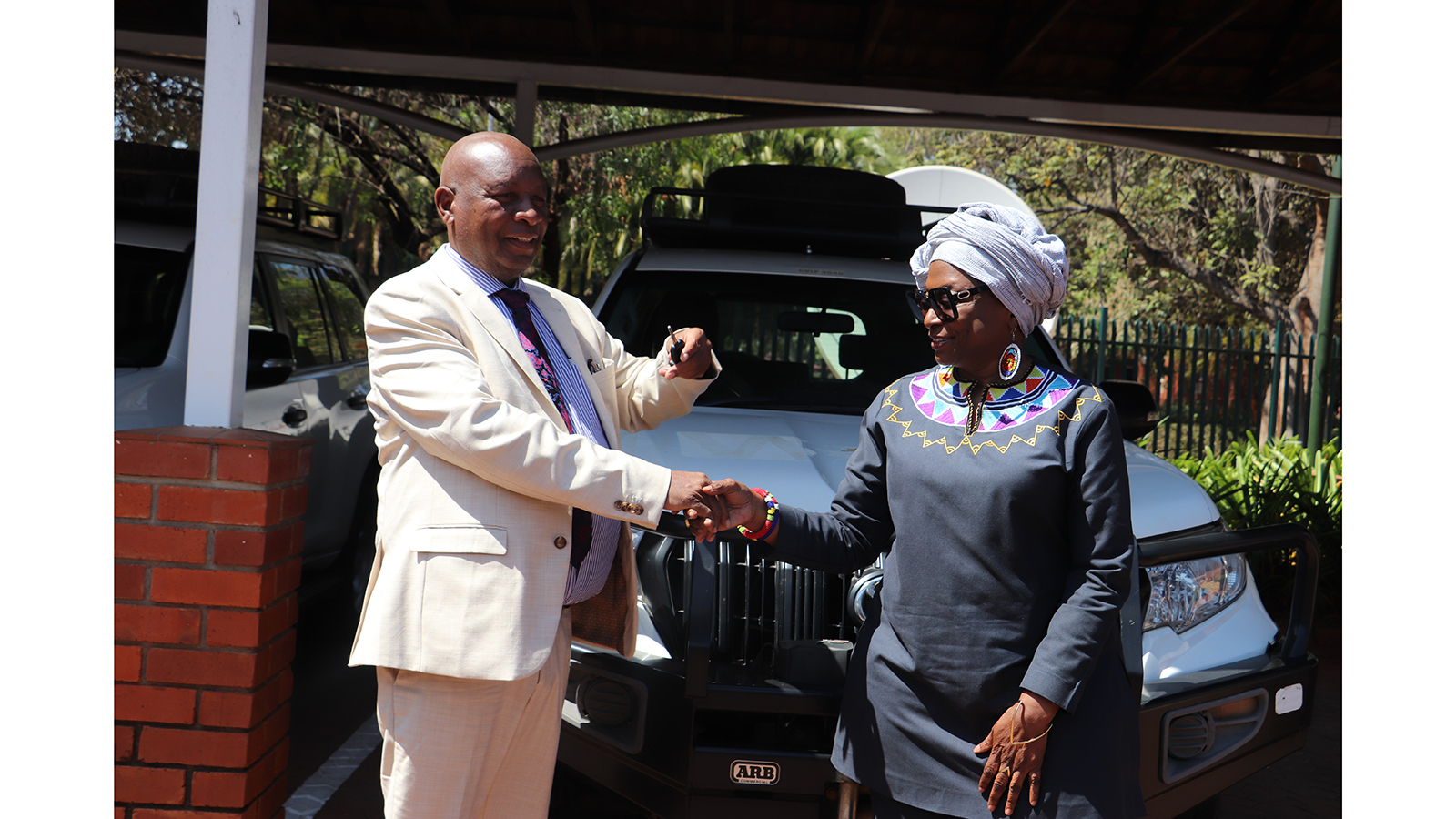
Theseus Shambare
MORE than 6.5 million people have received food aid since the 2023–24 cropping season under a joint Government and World Food Programme (WFP) initiative, with both parties confirming that assistance will continue this year as the country recovers from the El Niño-induced drought.
Zimbabwe faced the worst El Niño-driven drought in four decades during last summer’s cropping season, leaving a significant number of households food-insecure.
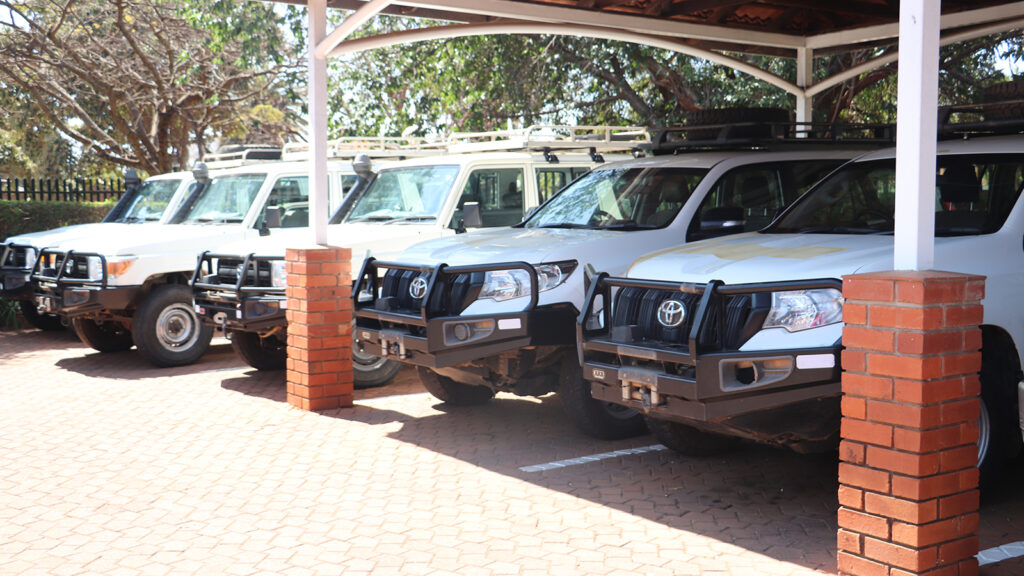
This came out during a ceremony in Harare where WFP handed over nine vehicles worth US$230 000 to the Ministry of Public Service, Labour and Social Welfare.
The fleet — comprising five Toyota Prados and four Land Cruisers — will improve monitoring, distribution and logistics for social protection and food aid programmes, particularly in remote and hard-to-reach districts.
Public Service, Labour and Social Welfare Minister Edgar Moyo said the handover was a timely boost to Government’s commitment to food security, echoing President Mnangagwa’s call for “leaving no one and no place behind” in addressing post-drought hunger.
“Last season to date, we jointly, with WFP, assisted more than 6.5 million people with food aid in all the 60 districts in the country,” Minister Moyo said.
“The programme shall continue this year. This is to answer whether it has come to an end or not. It has not come to an end; we shall continue this year guided by the results of the ZIMLAC (Zimbabwe Livelihoods Assessment Committee) assessment, so it definitely is continuing.”
Vehicles handed over by World Food Programme Zimbabwe’s country director Barbara Clemens to the Labour and Social Welfare Minister Edgar Moyo in Harare yesterday.-Picture:Esther Mushove.
The 2024 Zimbabwe Livelihoods Assessment Committee (ZIMLAC) projected that nearly 6 million rural residents and about 1.5 million urban dwellers remain vulnerable to food insecurity following the drought.
Government has prioritised food distribution in districts such as Mwenezi, Mudzi, Chivi, Matobo, Binga, and Beitbridge, while WFP complemented these efforts in six additional districts during the last lean season.
WFP Zimbabwe Country Director Barbara Clemens said her organisation’s support is anchored in long-term planning rather than short-term relief.
“WFP is not like an NGO where we have grant funding and when the funding is over, we turn over the assets to the government. This is not what it is.
“We are operational in Zimbabwe based on a country strategic plan that runs for four years. Rather than auction vehicles when their shelf life with WFP ends, we turn them over to the government or charities that need them. That is why we are donating these nine vehicles today,” Ms Clemens said.
She said WFP had reached nearly a million people in six districts during the most recent lean season, while also partnering with Government to scale support in other vulnerable communities.
“What we do during the lean season is to save lives, but we do it in such a way that we can layer in activities that change lives, meaning we do development assistance as well for sustainability,” Ms Clemens said.