

 Online Reporter
Muchaneta Chimuka and Precious Manomano
THE Government has the obligation of fulfilling the mandate of food security and sovereignty to its citizens while on the other hand, communities work hand in glove with agricultural experts to ensure that they are productive on their farms and provide enough nutritious food, to reduce malnutrition, stunted growth and disease outbreaks.
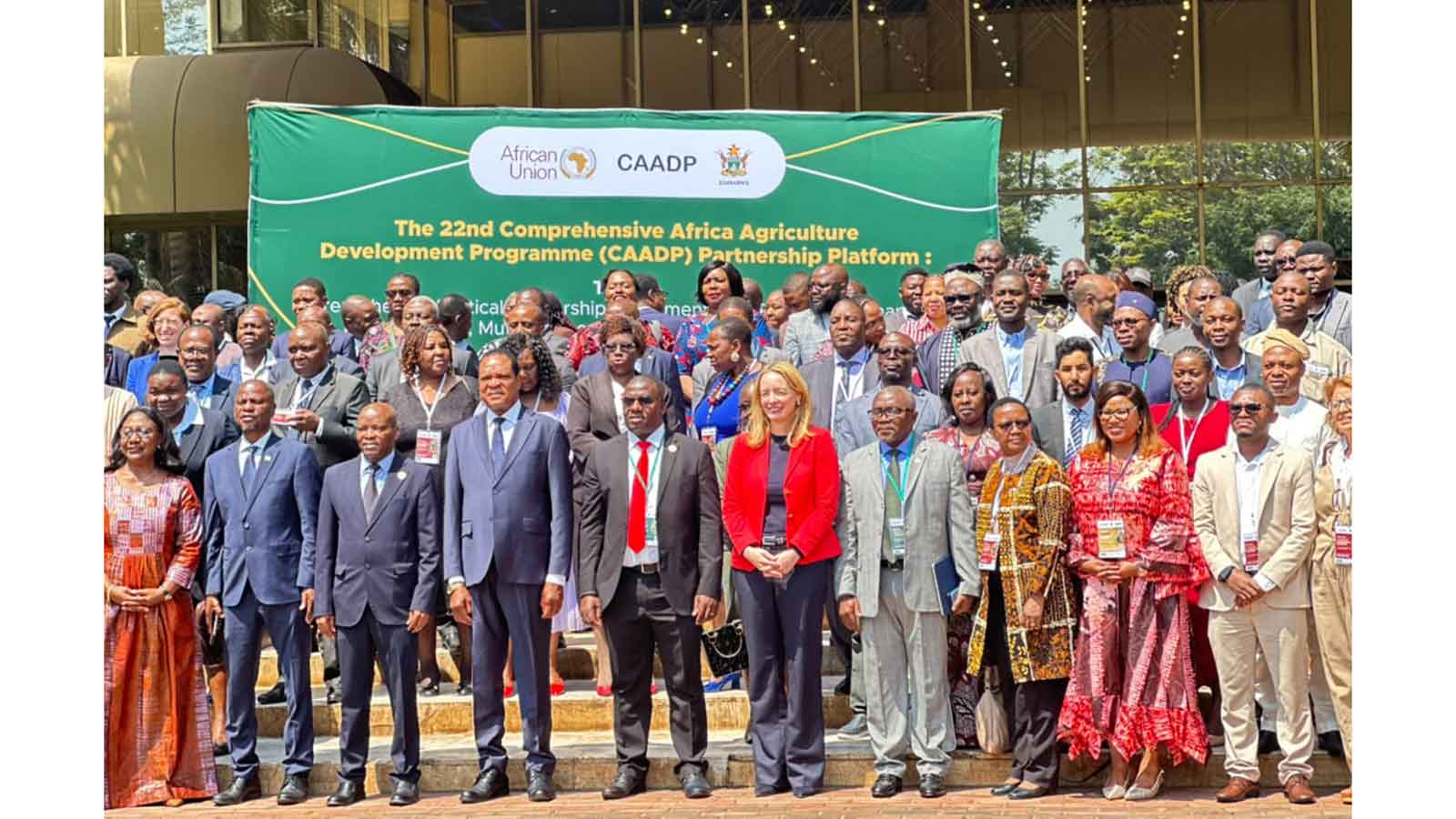
Speaking at the Comprehensive Africa Agriculture Development Programme (CAADP) meeting aimed to strengthen food security and nutrition in Zimbabwe held in Harare, Mr Moses Gamundani the acting deputy director for the Monitoring and Evaluation in the Ministry of Lands, Agriculture, Fisheries, Water and Rural Development said the Government is now moving in line with the Kampala Declaration (2026 – 2035) which was adopted by African union member states in 2025 with the thrust of ensuring sustainable and resilient agri-food system for a healthy and prosperous Africa.
“The Heads of States adopted the Kampala CAADP Declaration in January last year, and we are building on the lessons learnt,” he said.
“Our vision is to support local food production and prevent shocks before they erupt into a crisis. We want communities to be self – sufficient and to reduce public expenditure by 10 percent and to ensure that 15 percent of the agri-food Gross Domestic Product is reinvested annually.
“Above all, to support gender quality initiative by halving the gender gap through empowering women, young people and other vulnerable groups in the value chain.”
Community Technology Development Organisation executive director and My Food is Zimbabwean Alliance chair, Mr Andrew Mushita, said Zimbabwe’s constitution, which affirms the right to food, explicitly recognises every individual’s right to sufficient food and obligates the State to take reasonable measures, within available resources, to progressively realise this right.
“This underscores the Government’s commitment to ensuring food security for all citizens. However, despite this provision, many communities across Zimbabwe continue to face food and nutrition insecurity,” he said.
“This reality is driven by structural challenges such as poverty, climate variability, inequitable access to productive resources, and gaps in policy implementation and accountability.”
He said the My Food is Zimbabwean Alliance, with the support of Colleagues from the UN, has worked together to develop a draft definition of the right to food in the Zimbabwean context, and this draft goes further to propose preliminary indicators that describe what the fulfilment of this right looks like in practice.
“At the same time, we situate this work within Zimbabwe’s broader policy and continental commitments, particularly the Comprehensive Africa Agriculture Development Programme (CAADP) and the Kampala Declaration (2025–2035),” he said.
“These frameworks provide a structured pathway for achieving food and nutrition security and strengthening accountability.”
He saluted the Ministry of Lands, Agriculture, Fisheries, Water, and Rural Development for its continued leadership and engagement, particularly in advancing CAADP domestication, implementation and reporting processes at the country level.
CTDO programmes coordinator Mr Nyasha Matondo said the process offers an important opportunity for them to strategically position themselves in the implementation, monitoring, and reporting of the Kampala Declaration.
“By actively participating, civil society can enhance accountability, provide ground-level evidence, and ensure community experiences inform policy decisions and progress assessments,” he said.
“Engaging effectively will strengthen the impact of these efforts and promote meaningful inclusion of community voices in the process.”
He said, it is very important for community members and policy makers to take note of the challenges and gaps that affect people in accessing basic needs such as food, shelter, health, education, safe, clean and potable water and know where and how to demand those services.
Zimbabwe’s National Development Strategy 2 (NDS2: 2026–2030) prioritises food security and climate resilience to achieve an upper middle-income society by 2030, building on NDS1 successes. Key focuses include strengthening food production through agriculture modernisation, irrigation development, and value chain beneficiation.
The key aspects of food security include: Climate-Proofing Agriculture: Focus on irrigation infrastructure development, sustainable land and water management to mitigate climate change effects.
Production and Productivity: Ring-fencing national food security through improved output in key crops like maize, wheat, and tobacco.
Value Chain Approach: Shifting from mere production to value addition and processing, linking rural production with industrialisation.
Rural Industrialisation: Promoting Village Business Units to boost local productivity and ensure food availability at a local level.
Structural Transformation: Strengthening agribusiness, enhancing agricultural research and innovation, and improving storage infrastructure to reduce post-harvest losses.



 Peter Tanyanyiwa