Chronicle Editor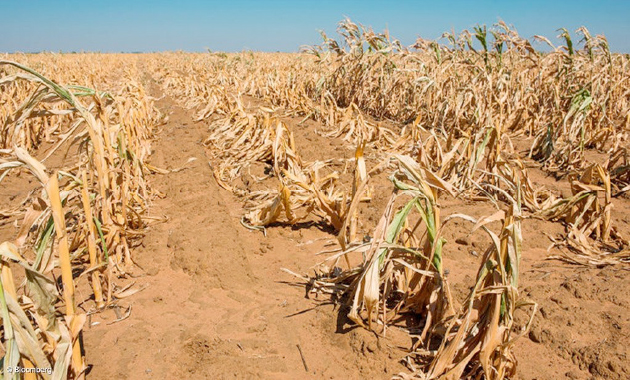
Wandile Sihlobo
SOUTH Africa, Zambia and Zimbabwe released reports highlighting a potential decline in grain harvests due to intense El Niño-induced dryness. These developments pose a significant risk to the entire Southern Africa maize supply chain. Heatwaves and dry conditions have hit Zimbabwe, Zambia and South Africa hard, while neighbouring small producers such as Botswana, Lesotho and Namibia are also grappling with drought.
Given that South Africa, Zambia and Zimbabwe are major maize producers in the region, any decrease in their harvests could exacerbate food insecurity. Importing maize would be necessary to bridge the supply gap.
The occurrence of dryness during an El Niño event is not surprising for the Southern Africa region, as this weather phenomenon typically brings arid conditions. Although the year began with favourable rains, the dryness intensified from late January onward, causing significant crop damage. This unusual pattern may be linked to broader climate change challenges.
Research into grain markets in the region, along with recent field observations across South Africa’s summer crop-growing areas, indicates that the region faces challenging times ahead. While the impact of heatwaves and dryness on crops fluctuates daily, the overall trend suggests a substantial reduction in crop volume throughout Southern Africa.
As domestic hunger challenges may escalate, particularly in countries like Zimbabwe and Zambia, regional governments must carefully consider response policies and programmes. Measures such as avoiding export restrictions and implementing maize price caps are crucial. Additionally, government support should be targeted at the household level to mitigate the crisis.
South Africa
In South Africa, a survey conducted by Grain South Africa, a lobby group for the agricultural sector, highlights the impact of extreme heat and drought on grain and oilseed harvests. These adverse conditions have led to a rapid deterioration in crop quality, surpassing initial expectations.
Since the survey’s completion toward the end of February, the situation has likely worsened. The Crop Estimates Committee, comprising scientists, economists and statisticians from various sectors, shares concerns about the potential decline in the summer grains and oilseed harvest for the 2023/24 season. Their initial estimate places the harvest at 17,4 million tonnes, representing a 13 percent decrease compared to the previous year.
The decline primarily stems from lower expected yields, rather than a reduction in planted acreage. This negative impact is a consequence of the prevailing drier weather conditions and heatwave. Despite these challenges, there’s a silver lining: South Africa’s expected harvest should still suffice for domestic consumption, with some volume available for exports, albeit significantly lower than in previous seasons.
While discussions have centred on summer grains and oilseed, other value chains have received less attention. The abundance of water in dams due to higher levels from previous years and early-season rains has been beneficial for commercial fruit and vegetable production, which relies on irrigation. Additionally, the livestock industry remains relatively stable, thanks to improved grazing veld conditions and ample maize and soya bean supplies from the 2022/23 season.
However, it’s essential to note that field crops, primarily rain-fed, remain vulnerable to the scarcity of natural rains since the start of February.
Zambia under drought stress
In late February, Zambia’s President Hakainde Hichilema, declared the country’s severe drought a national disaster and emergency. The devastating effects of this drought are evident across the majority of the summer crop-producing regions, primarily due to the El Niño-induced drought.
Of particular concern is the government’s report that the drought has destroyed nearly one million hectares of maize. Considering that the overall commercial maize area planted in the country is approximately 1,9 million hectares, this translates to half of the production being lost. Such a significant decline could have dire consequences for food security.
Zambia plays a crucial role as one of southern Africa’s main producers and exporters of maize. However, if the maize harvest continues to decline significantly, neighbouring countries that rely on Zambian supplies will face shortages. This situation coincides with South Africa, which, while potentially having sufficient supplies for domestic consumption, would also experience a massive reduction in maize available for exports.
The challenge ahead lies in mitigating the impact on both local food security and regional trade, given the critical role maize plays in the livelihoods of millions of people.
Zimbabwe’s grain production also strained
At the beginning of this year, alarming reports emerged, indicating that approximately 2,7 million Zimbabweans were at risk of hunger due to the devastating impact of drought on their summer grain fields. Reuters further highlighted that Zimbabwe plans to import 1,1 million metric tonnes of maize over the next year.
The sheer volume underscores the critical situation regarding maize supplies in Southern Africa. Traditionally, when Zimbabwe requires substantial maize imports, South Africa and Zambia serve as the primary suppliers. Unfortunately, with Zambia potentially unable to participate in the export market this year, the burden now falls squarely on South Africa.
Yet, there’s a potential complication: white varietal maize. If all the required maize must be of this specific type, South Africa might struggle to meet Zimbabwe’s total demand. This challenge arises because neighbouring countries such as Namibia, Botswana, Lesotho, Mozambique, Madagascar and even Zambia also rely on maize imports to supplement their domestic needs.
The delicate balance between food security and regional trade hinges on effective co-ordination and resource allocation across these nations.
Policy considerations
Here are the key points that policy makers should consider in addressing the maize crisis:
λ While restricting exports may seem like a short-term solution to support households, it can inadvertently discourage production in the following year. Artificially depressed farm-level prices hinder farmers’ incentives to invest in production. It’s crucial to recognise that farmers face higher input costs and pay global prices for essential items like fertilisers, agrochemicals and seeds.
λ Implement support packages directly at the household level. Fiscal resources should be allocated to programs that directly benefit vulnerable families. These interventions can include safety nets, subsidies and assistance to ensure food security and resilience.
λ Regional governments should engage with the World Food Programme (WFP) to prepare for assisting the least well-off countries. The WFP can facilitate maize imports from the global market to address immediate food shortages.
λ Collaborate collectively with the private sector and countries like Mexico, which produce white maize. Assess whether these nations have the capacity to export to the Southern Africa region if the need arises.
Balancing short-term relief with long-term sustainability is crucial to mitigate the impact of the crisis on both food production and regional stability. — The Conversation.


 Online Reporter