Online Reporter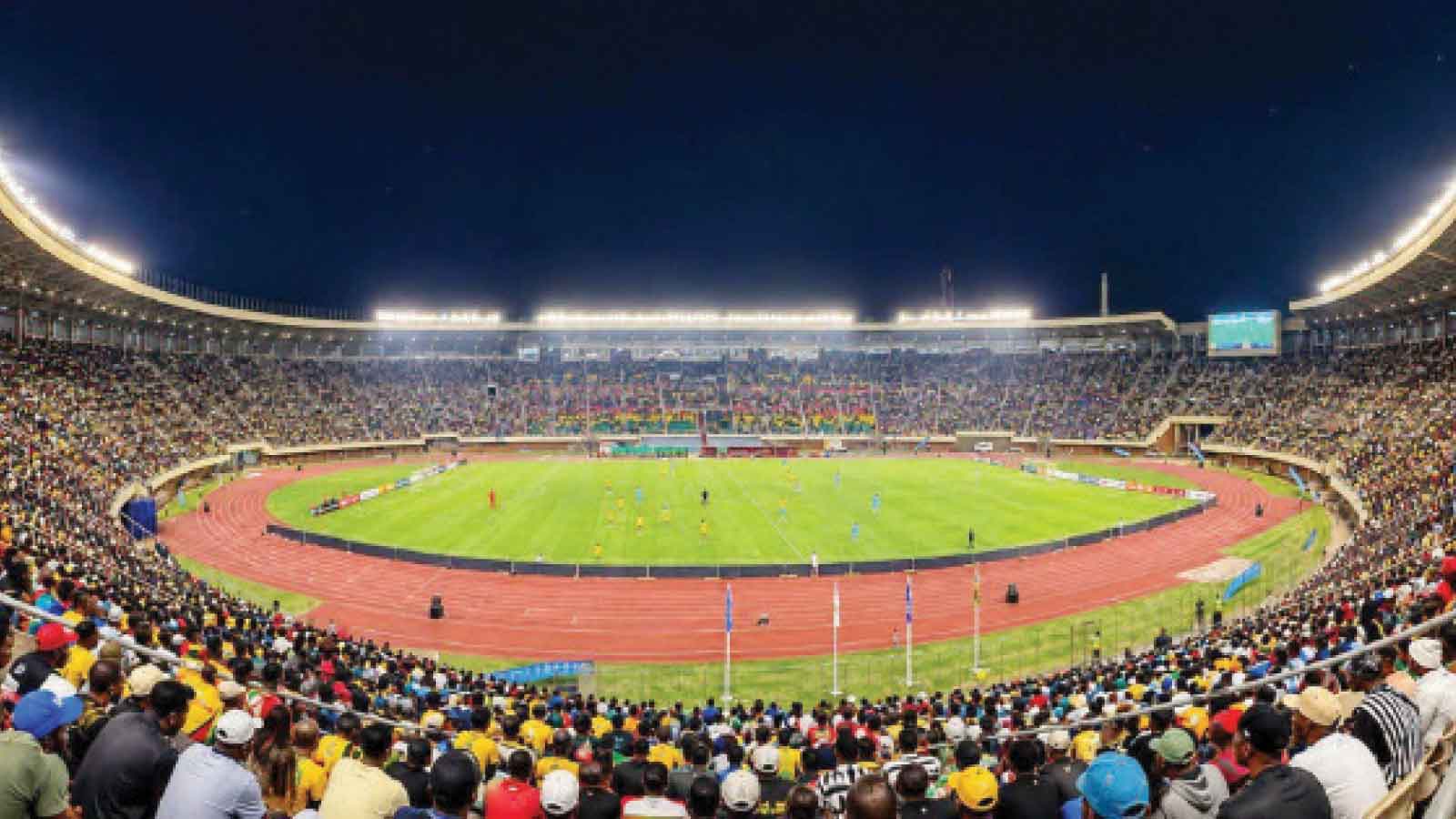
Emmanuel Kafe
Lifestyle Reporter
FOR years, the National Sports Stadium was a giant reminder of what Zimbabweans had lost — the roar of thousands of football fans, the sea of national colours, the music, chants and unmistakable excitement that comes with a big match.
But on Monday, the giant stadium found its voice again. Long before kick-off, the roads leading to the National Sports Stadium were buzzing with supporters dressed for the occasion, with Zimbabwean flags, Warriors jerseys and football-inspired outfits turning the return of international football into something of a fashion and lifestyle event.
For many fans, it was not simply about watching 90 minutes of football.
It was about being there.
It was about taking pictures with friends, meeting old football buddies, singing in the stands, grabbing something to eat and experiencing once again what it feels like to be part of a massive crowd at Zimbabwe’s biggest sporting venue.
The Warriors’ return to the stadium marked their first international match at the venue since 2021, following extensive renovations that eventually saw the facility regain CAF approval.
And judging by the crowds, Zimbabweans had been waiting.
The fashion parade started outside the stadium. Some fans arrived in Warriors jerseys, others in football shirts representing their favourite clubs, while a few opted for carefully put-together casual looks that appeared designed as much for the cameras as for the football.
Young people posed for photographs, couples walked hand-in-hand towards the gates, while families turned the occasion into a night out. The stadium had become a meeting place once again.
“It felt different coming here because we have not had this kind of atmosphere for a long time,” said Freedom, a supporter, who had travelled with friends for the match.
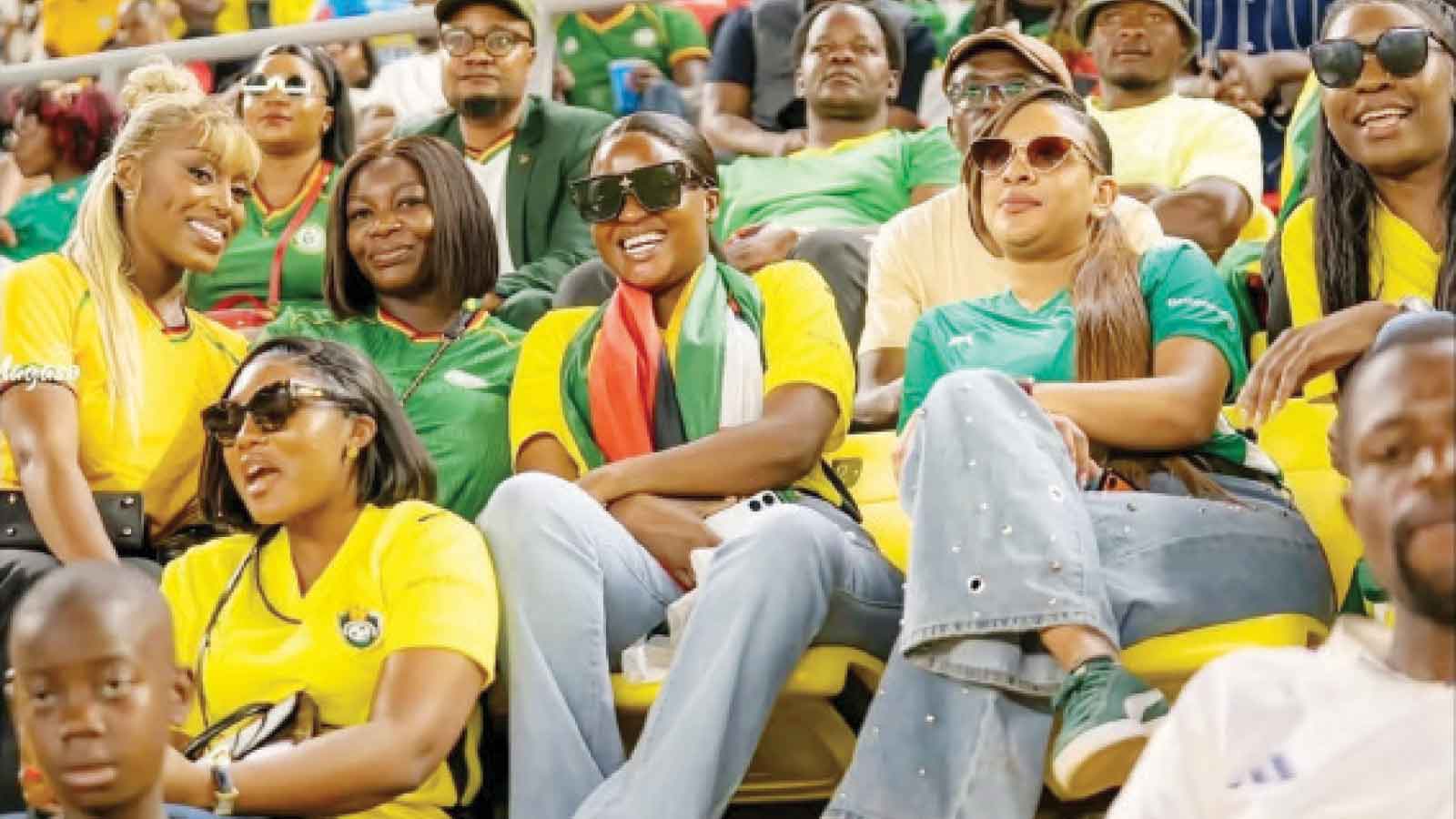
“For me, it was not only about the game. I wanted to see the stadium, meet people and enjoy the atmosphere.”
Another fan, Cecilia said the return reminded him of the big football occasions of the past. “You could feel that people were excited. Everywhere you looked there were flags, jerseys and people singing. It felt like Zimbabwe was coming together through football again.”
That sense of togetherness was perhaps the most striking feature of the evening.
Inside the stadium, thousands of voices merged into chants as supporters backed the Warriors who were playing against the Leopards of Congo, creating the kind of spectacle that television cameras cannot fully capture.
For a generation that had become accustomed to Zimbabwe’s biggest international fixtures being played away from home, the occasion carried an emotional significance.
The National Sports Stadium had effectively been given a second life.
And Zimbabwe is not alone in discovering that a renovated stadium can become more than simply a refurbished sporting facility.
Across Africa, the return of football to venues that had been closed, underused or unavailable for international matches has often been accompanied by a sense of reclaiming something that supporters had missed.
In Kenya, for example, the upgraded Nyayo National Stadium reopened for international football in July 2026 after being closed since August 2024. Its return allowed Kenyan teams to play international matches at home again after a period in which the country’s senior side had been forced to stage some home fixtures abroad. The reopening came as Kenya prepared for major continental football events.
A similar scene played out in Côte d’Ivoire in 2023 when the renovated Félix Houphouët-Boigny Stadium in Abidjan officially reopened ahead of the Africa Cup of Nations. The venue’s return was marked by an international friendly between Côte d’Ivoire and Morocco, with thousands of supporters filling the renovated stadium, many dressed in the country’s orange and white colours. Fans sang and danced throughout the occasion, turning the reopening into a celebration that went beyond the football itself.
The experience is not new even within West Africa.

Ghana’s Baba Yara Stadium in Kumasi was reopened after about two years of reconstruction works, with an international friendly involving Ghana’s junior national team used to test the facility before the country hosted the Africa Cup of Nations in 2008.
When the stadium was refurbished again more than a decade later, traders around the facility also spoke about what its return meant for their livelihoods. The reopening of the 40,000-capacity venue after more than a year of closure was welcomed by food sellers and sports merchandise traders who had lost business while the stadium was shut.
In Somalia, the story has been even more dramatic. Mogadishu’s national football stadium, once used by military forces during decades of conflict, reopened for football after about 30 years. Its return to sporting use saw thousands of people gather for a national tournament, transforming a venue associated with years of violence into a place where communities could once again gather around sport.
The examples show that the return of a stadium can have significance far beyond the playing surface. A venue that has been closed or unavailable for years can become a symbol of normalcy, national pride and social life when supporters finally return. That is part of what Zimbabwe experienced on Monday.
The refurbishment included major improvements to seating, the playing surface, spectator areas, changing rooms and other facilities, helping the venue return to the international football calendar after years of exclusion.
But as the excitement over the stadium’s return grew, the evening was also marked by tragedy. A football fan died following an incident involving supporters trying to gain entry through an unauthorised route, according to a statement issued by Sport, Recreation, Arts and Culture Minister Lieutenant-General (Retired) Anselem Sanyatwe.
The Minister expressed condolences to the bereaved family and said Government had been informed that other fans were injured.
“The loss of a life in the pursuit of supporting our beloved game is a tragedy that has shaken us all,” Sanyatwe said.
He said Government was working with the Zimbabwe Republic Police, Sports and Recreation Commission and ZIFA to establish what happened. “Our objective is clear; to establish the facts and to ensure that such a tragedy is never repeated again in any of our sporting venues,” he said.
The Minister also said Government would review and strengthen crowd-management protocols, access-control measures and emergency-response systems across sporting facilities. The incident provided a sobering reminder that the return of large crowds to the stadium must go hand-in-hand with effective crowd management and safety measures.
Away from the unfortunate incident, however, the evening demonstrated the social power of football. The stadium was once again a place where people from different backgrounds could gather under one roof, united by a national team and the simple desire to experience football together.
For vendors, photographers, entertainers and businesses around the venue, packed football fixtures also provide an opportunity to benefit from the return of major events.
For fans, it offers something less tangible but equally important — an excuse to dress up, leave home, meet friends and become part of a shared experience.
And perhaps that is the real magic of the National Sports Stadium. It is not simply concrete, seats and a football pitch. It is the noise, the colour, the fashion and the music.
It is the arguments over football, the selfies before kick-off, the chants after a goal and the stories people tell long after the final whistle.
After years of relative silence, the National Sports Stadium has begun to sound like itself again.
And for Zimbabweans who had almost forgotten what a packed national stadium felt like, the message from the stands was clear: “football is back, and with it has returned the culture, colour and good vibes that make match day much more than just a game.”