Online Reporter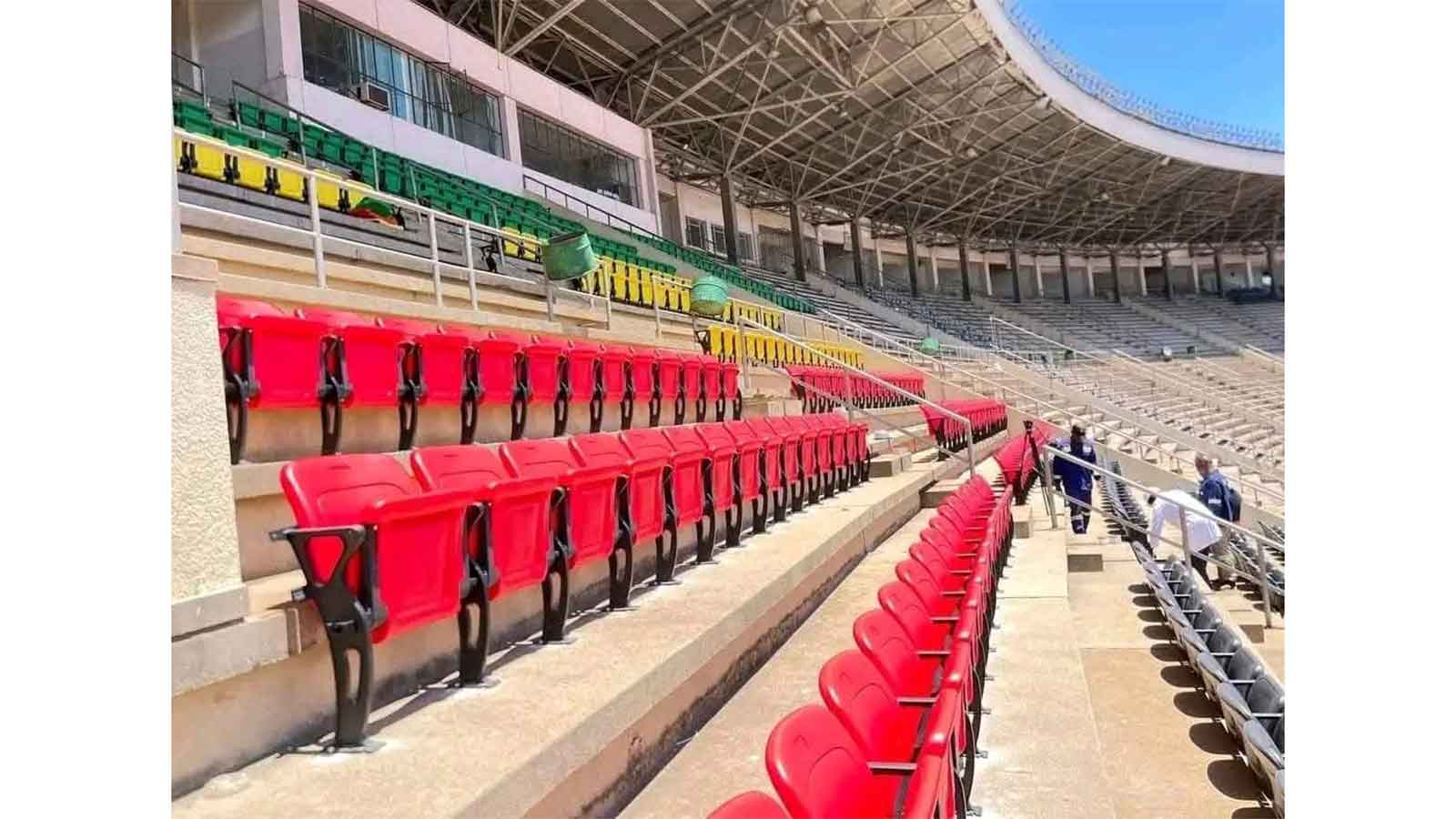
Inside ZIFA
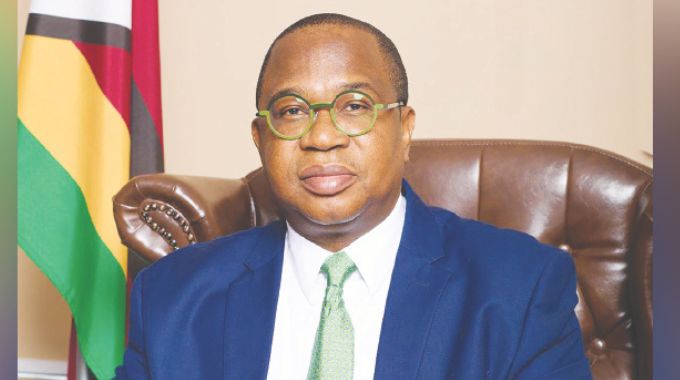
Nqobile Magwizi
FOR nearly five years, Zimbabwean football wandered in the international wilderness.
We took football refuge in Rwanda, Botswana, South Africa and other countries, playing our “home” matches away from home because our own national stadium could no longer meet the required international standards.
It was a tough time, a sobering time. And, for everyone who loves Zimbabwean football, a painful time.
Our players lost the opportunity to play in front of their own supporters. Our fans lost the experience of watching the Warriors on home soil.
Our football economy lost the benefits that come with international matches.
And, perhaps most importantly, we became accustomed to the idea that international football was something Zimbabwe had to take elsewhere.
The National Sports Stadium’s journey away from international football began in February 2020 when CAF banned Zimbabwean stadia from hosting international matches because of infrastructure deficiencies.
There were temporary clearances and provisional arrangements along the way, but by November 2021, the final waiver had expired.
The door to international football at home was effectively closed.
For those of us who have lived through this period, the significance of the latest development is, therefore, difficult to overstate.
The granting of CAF Category 3 approval to the National Sports Stadium represents one of the most important milestones in the rehabilitation of Zimbabwean football infrastructure.
Subject to the specific requirements of individual competitions, the approval allows the stadium to host AFCON and FIFA World Cup qualifiers, as well as CAF Champions League and Confederation Cup group-stage and quarter-final matches.
This is the reopening of a door that had been closed for far too long. And there has been considerable effort behind getting here.
The Government of Zimbabwe — through the Ministry of Sport, Recreation, Arts and Culture — has driven the rehabilitation as part of the broader commitment to restoring national sporting infrastructure.
The Sports and Recreation Commission (SRC) has played a particularly important role in providing the technical guidance and coordination required throughout this process.
Its contribution has been critical in helping ensure that the rehabilitation responds to the standards expected of a modern international sporting facility.
As ZIFA, we have worked closely with the Government, the SRC and the relevant football authorities to support the process and engage CAF on the requirements for international football.
This is what partnership in sport should look like.
I also want to acknowledge the contribution of the private sector, particularly Sakunda Holdings, whose support towards the upgrading of the stadium has made a meaningful difference.
The improvements to the playing surface and installation of bucket seats have significantly enhanced the facility and helped move it closer to the standard required for international football.
This is the kind of partnership we need to see more of in Zimbabwean sport.
But the rehabilitation of the stadium is not simply about concrete, seats, turnstiles or the playing surface.
It is about what happens when the Warriors walk onto that pitch and we hear the national anthem in Harare again.
It is about Zimbabwean players looking into the stands and seeing the Zimbabwean flag. And perhaps nobody understands the importance of that more than our supporters.
Over the past two years, I have received considerable feedback from supporters about the national teams playing their home matches outside Zimbabwe.
It has been one of the most consistent concerns raised with us and I understand why — there is no substitute for home.
But throughout that difficult period, our supporters never abandoned the Warriors. They followed the team to Rwanda, Botswana, South Africa and elsewhere.
They turned up in places where, frankly, it would have been easy to wonder whether anyone cared.
Sometimes it was a small group in a largely empty section of a stadium. Sometimes it was a sea of Zimbabwean colours. But they came, sang and encouraged the players. To those supporters, I say, thank you. You kept the connection between the Warriors and the people alive when circumstances made that connection extraordinarily difficult.
Now we have the opportunity to repay that loyalty by bringing international football back to you.
On September 30, 2026, the Warriors are scheduled to host the Democratic Republic of Congo on Matchday 2 of the AFCON Pamoja 2027 qualifiers.
The opportunity also extends beyond the Warriors.
Our domestic champions, Scottland FC face Eswatini champions Nsingizini Hotspurs in the CAF Champions League preliminary round, with the first leg scheduled for 4-6 September.
Zimbabwean champions should not have to look outside the country for a home. CAF Category 3 approval is an important milestone, but it does not mean our work is finished.
Standards must be maintained. Remaining priority works must be completed. The facility must be operated professionally and, importantly, protected by all of us.
This national stadium belongs to Zimbabwe.
We must, therefore, change the way we think about the facility.
We cannot celebrate its restoration and then allow neglect, vandalism or irresponsible behaviour to take us backwards.
If we want international football to remain at home, we must collectively take ownership of the stadium.
The timing could hardly be more significant.
We are building towards AFCON Pamoja 2027. We have ambitions beyond that, including our Dream 2030 objective of qualifying for the FIFA World Cup.
The National Sports Stadium is a symbol of what Zimbabwean football can regain.
We should, therefore, recognise everyone who has contributed to this journey — President Mnangagwa; the Ministry of Sport, Recreation, Arts and Culture; the SRC; ZIFA; Sakunda Holdings; the technical teams and workers who have put in the hours; and, importantly, the supporters who refused to abandon their national teams.
The journey has been long. It has humbled us.
But today, we can finally look towards the National Sports Stadium and see something that has been missing from Zimbabwean football for too long — home.
Soon, the Warriors, the Mighty Warriors and all our national representatives will have the opportunity to walk out in Harare for an international fixture.
The long journey is not over. But the road home is now open. Let us protect it. Let us fill it. Let us make it our fortress again.
KuGomba reborn!
The work continues.
Nqobile Magwizi is the president of ZIFA.