

 Online Reporter
Lonster Mutata
Herald Correspondent
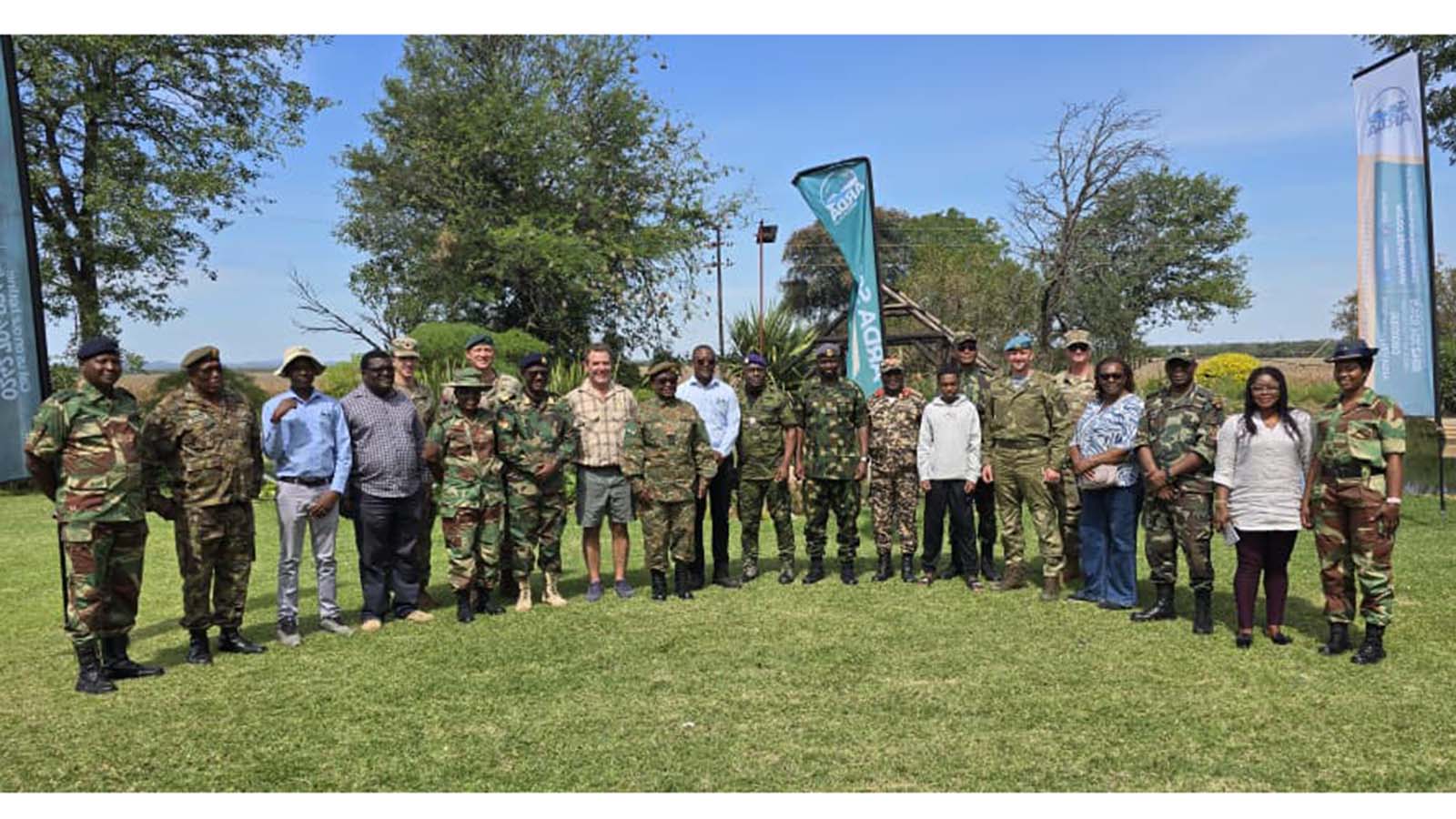
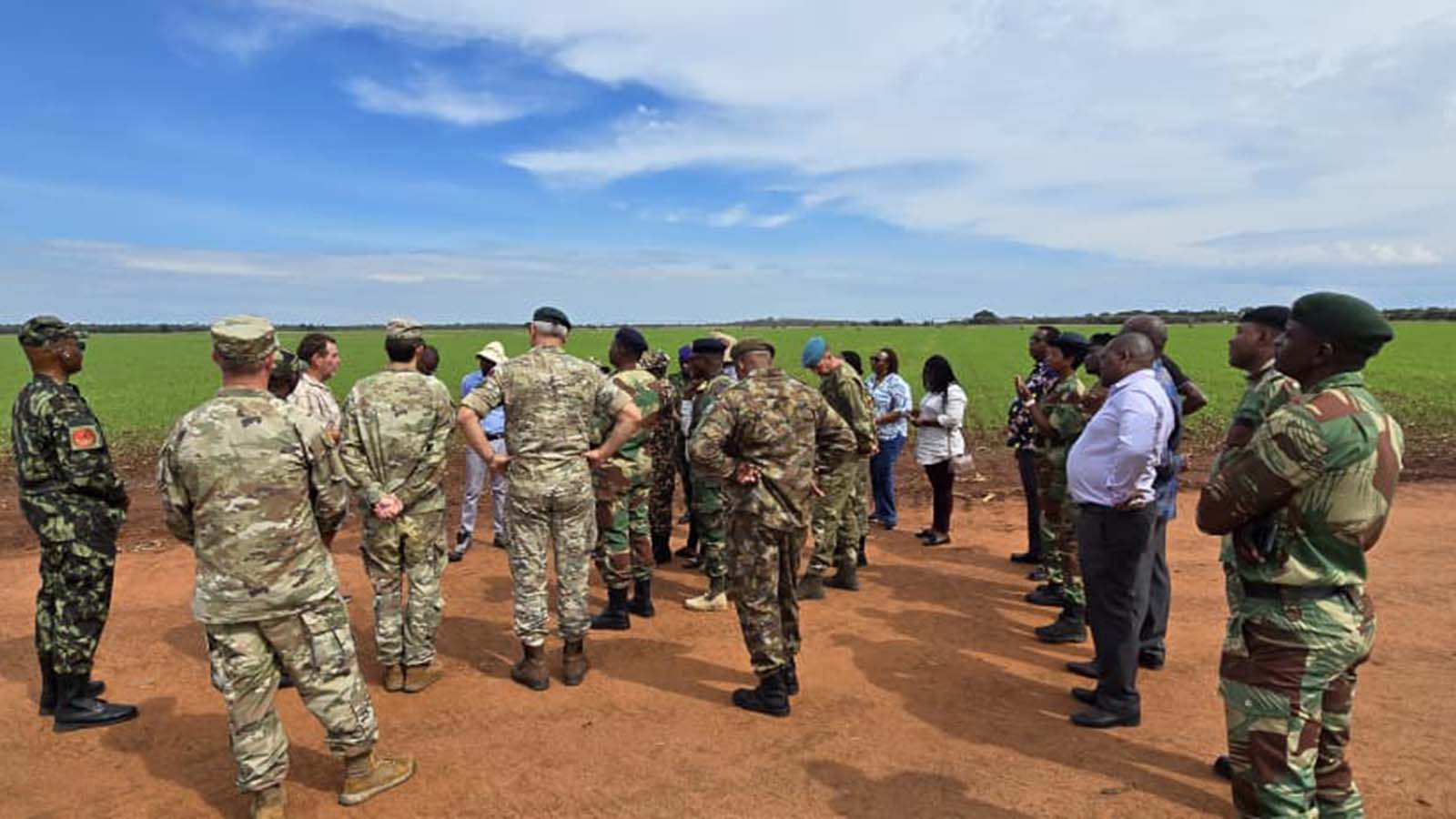
The Agricultural and Rural Development Authority (ARDA) recently members of the Foreign Military Attachés Association of Zimbabwe on a familiarisation tour of Antelope Estate, south of Bulawayo, where the delegation witnessed firsthand integrated agricultural operations driving national food security.
The delegation, comprising defence attachés from various embassies and missions, visited the estate to appreciate Zimbabwe’s agricultural transformation model and assess its potential for replication in their countries.
ARDA director for operations, Mr Washington Katiyo, said the estate is playing a critical role in advancing winter wheat production and sustaining national grain supplies.
“We are demonstrating integrated agricultural production at scale, with approximately 110 hectares of wheat having been planted out of the targeted 600 hectares and about 90 hectares already germinated, while maize harvesting is underway to pave way for further wheat planting,” he said.
Mr Katiyo added that Matabeleland South Province is targeting 4 000 hectares of wheat this season, with ARDA responsible for 3 100 hectares, of which 210 hectares has already been established.
“This reflects steady progress towards winter wheat production targets under Zimbabwe’s broader food security strategy,” he said.
United Kingdom Defence Attaché to Zimbabwe, Lieutenant Colonel Alastair Kern, described the ARDA model as an effective example of collaboration between Government, commercial farmers and local communities.
“The model ensures consistent production of strategic crops such as maize and wheat, while also creating shared value through access to expertise, seed and water for communities, enabling farmers to operate viably and profitably,” he said.
Zambia’s Defence Attaché to Zimbabwe, Brigadier General Nakamba, said the model enhances efficiency through strong infrastructure support.
“Reliable access to water and power improves productivity and makes this a scalable model for large-scale commercial agriculture that benefits all stakeholders,” he said.
The delegation said lessons from the tour would be shared with their governments and institutions as a possible framework for adaptation.
ARDA chief executive officer, Mr Tinotenda Mhiko, said they are consolidating their position as a continental benchmark for integrated agricultural transformation through the scalable and inclusive production model.
“ARDA is implementing a robust hub-and-spoke model in which our estates serve as centres of excellence, driving large-scale production while supporting surrounding irrigation scheme business units with critical services including mechanisation, quality seed, technical expertise, and access to water and markets.
“This ensures smallholder farmers are integrated into commercial value chains, enhancing productivity and incomes,” he said.
He added that the model is structured to deliver both national food security and rural industrialisation.
“We are advancing a deliberate shift towards integrated agricultural systems that combine production, infrastructure and value chain development to guarantee sustainable food security while unlocking commercial opportunities. “This model is practical, scalable and adaptable across the region,” said Mr Mhiko.
The visit highlights growing international interest in Zimbabwe’s integrated agricultural systems as the country scales up production and rural industrialisation in pursuit of national food security.



