

 Online Reporter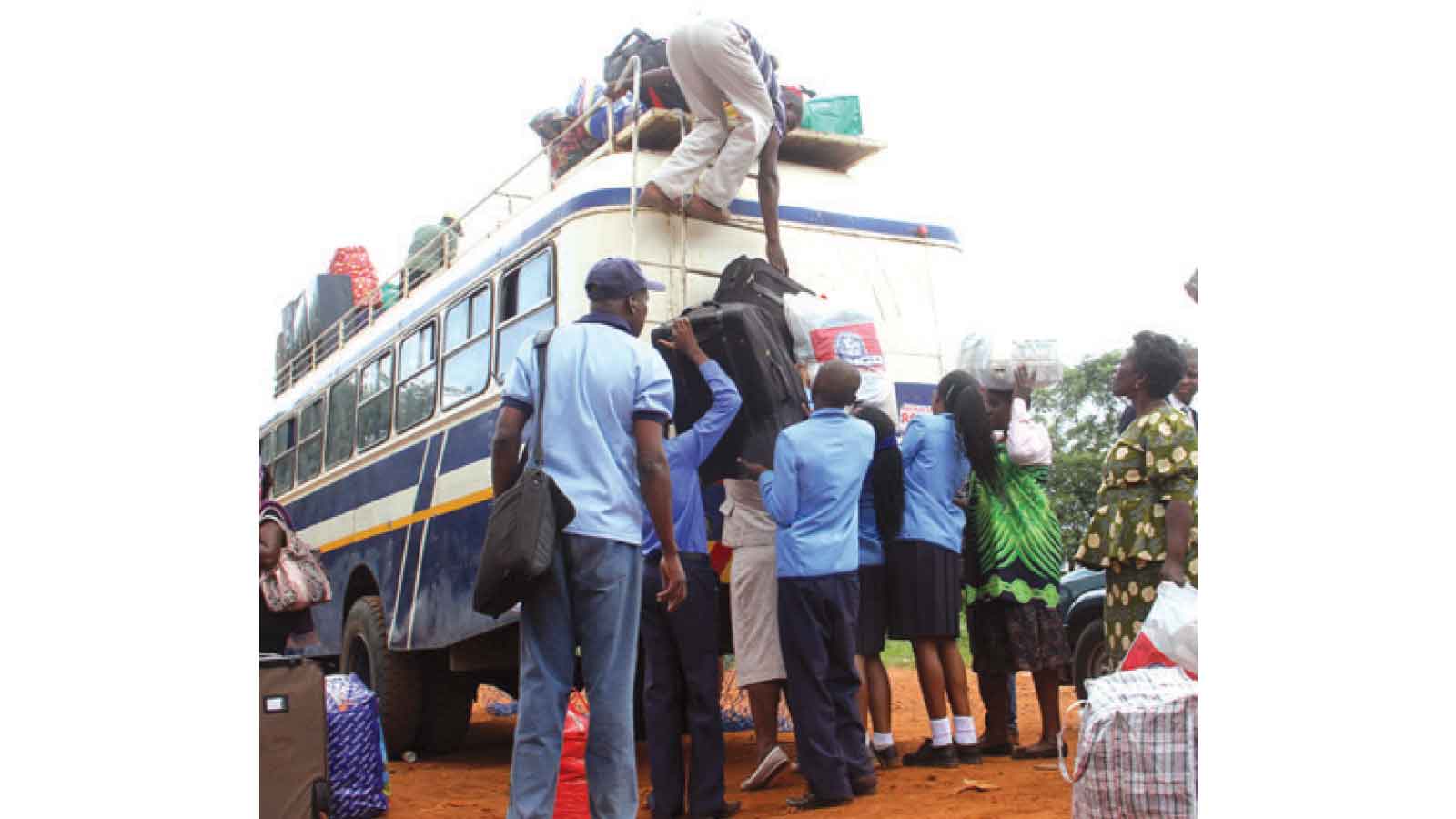
Langalihle Mhiti-Youth Interactive Writer
Boarding schools across the country will open their gates earlier to welcome Form One learners, who are reporting several days earlier than other pupils for orientation programmes aimed at easing their transition into secondary school life.
The early arrival of Form Ones has become a familiar feature on the school calendar, recognising the unique challenges faced by learners moving from primary school to boarding institutions. For many, this marks their first extended stay away from home, family routines and familiar surroundings, making the orientation period a critical stage in their educational journey.
From the early hours of morning, school entrances are expected to be filled with parents and guardians helping their children carry suitcases, metal trunks, buckets and carefully packed bedding. New uniforms, still crisp and neatly folded, will signal both excitement and uncertainty as the young learners step into a new environment that promises independence, discipline and academic growth.
Orientation programmes are designed to introduce Form Ones to the structure and expectations of boarding school life before the arrival of older learners. Activities usually include tours of the school premises, guidance on hostel living, explanations of daily schedules and introductions to key members of staff and student leadership. Learners are also taught school traditions, rules and basic survival skills such as laundry routines, time management and proper conduct.
Parents say the early reporting helps reduce pressure on new learners by giving them time to adjust without feeling intimidated. Many believe it allows their children to ask questions freely, make mistakes and find their footing in a calmer environment.
“This is a big step for them,” said Annah Chepegu a parent preparing to travel to a boarding school in Masvingo Province. “At primary school they were guided closely, but now they have to learn to be responsible. I’m nervous, but I know this experience will help them grow.”
For the learners, emotions are mixed. Some are eager to experience life beyond home, meet new friends and explore school facilities they have only seen in prospectuses or heard about from relatives. Others admit to feeling anxious about homesickness, strict routines and sharing hostels with unfamiliar faces.
“I’ve never slept away from home for more than a few days,” said Linda Nhamo, a Form One learner headed to a rural boarding school in Mt Darwin. “I’m excited to make new friends, but I know I will miss my parents and siblings.”
During orientation, senior students are expected to play an important role in guiding the newcomers. Prefects and mentors assist Form Ones in navigating school grounds, understanding expectations and settling into hostels. Their presence often helps reduce fear and confusion, as new learners find comfort in being assisted by peers who once experienced the same transition.
The early reporting also allows schools to assess learners’ readiness and identify those who may need additional support. Guidance and counselling teams often use this period to observe behaviour, address concerns and encourage positive attitudes toward learning and discipline. By the time lessons officially begin, Form Ones are expected to have adjusted to the boarding environment and established basic routines.
Education specialists say orientation is not only about familiarisation but also about building confidence and resilience. Adjusting to boarding school life requires emotional strength, adaptability and discipline, qualities that are developed gradually during the early days on campus.
As Form Ones settle in, parents return home with mixed feelings of relief and worry. For many families, especially those sending children to boarding school for the first time, the separation is emotional. Some parents admit that leaving their children behind is harder than expected, even though they understand the long-term benefits.
“It feels like the house will be too quiet,” said a mother whose child is starting Form One at Murehwa boarding school. “But I know this is part of growing up. I just hope they are safe and happy.”
The arrival of Form Ones ahead of other learners also helps reduce congestion and confusion that usually accompany opening days. With fewer students on campus, schools are able to give individual attention to new learners, ensuring they understand rules, schedules and expectations clearly.
By the time other forms report for the new term, Form Ones are expected to have settled into their hostels, learned basic routines and developed a sense of belonging. The early days of uncertainty often give way to confidence as learners begin to embrace their new identity as secondary school students.
As buses depart and school gates close in evenings, a new chapter will quietly begin for thousands of young learners across the country. The orientation period, though short, lays the foundation for discipline, independence and academic focus that will shape their secondary school experience.
For Form Ones, the journey into boarding school life is more than just a change of classrooms; it is a step toward maturity, responsibility and self-discovery. While challenges lie ahead, the early orientation ensures that when the rest of the school community arrives, the newest learners are ready to take their place with confidence and determination.



