


 peter
peter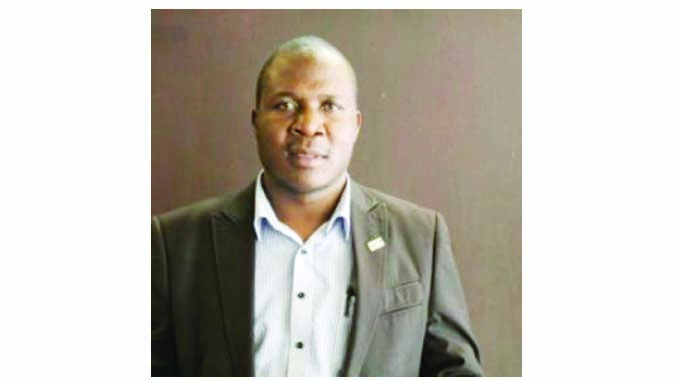
Charity Chikara, Sunday News Reporter
THE Zimbabwe Institute of Foundries (ZIF) has partnered with the Zimbabwe School of Mines in establishing a three-year diploma aimed at giving persons working in the foundry industry the necessary technological know-how.
The first intake of the diploma will be in January next year.
The programme, dubbed “foundry technologies”, will primarily focus on the entire value chain of processing metals.
In an interview, the Zimbabwe Institute of Foundries (ZIF) chief operations officer, Mr Dosman Mangisi, said computerisation or the use of automated technology will lower production costs and boost Zimbabwe’s foundry industry hence the need for the programme.
“The programme is called Foundry Technologies, basically it’s just the whole value chain of processing metals. It is generally a metallurgical course, more on the physical metallurgy side.

“Some other economies like India and Europe are now far much advanced with computerised processing of metals and metal beneficiation.
“Computerised casting, machining, among many which are largely manual in Zimbabwe reduces competitiveness and quality produced,” he said.
Mr Mangisi said the country has a relatively low output ratio compared to its neighbours and even lower when compared to model nations like China and India, which have made significant investments in modern equipment and skilled labour.
“This programme will assist revitalise the sector and bring Zimbabwean foundries up to pace with international trends.
“We are at a 1:10 with South African production ratio, which means that for every tap we produce here, they would have made 10, India would have produced 60, and China would have produced 50.
“This is primarily because these nations have invested in technological skill development and automotive machinery,” said Mr Mangisi.
He added that Zimbabwe needs such a course to bridge the gap.
“Zimbabwe lacks a skilled force in utilising these technological advancements, I know of a certain company in Harare that had to import skilled force from India to operate the technological machinery they had.
“Hence the necessity of this diploma, we are saying when we have a skilled force it will be much easier for players to invest in machinery knowing they will have local and readily available labour force,” he said.
Mr Mangisi said the metal casting industry has this year experienced magnificent growth as the sector is witnessing two to four new small players per annum, emphasizing that the major gap left is on skills and technology.



 Bongani Ndlovu
 Online Reporter