Tinashe Nyamushanya
THE discourse of geopolitics in the Middle East is shifting profoundly. Long defined almost exclusively by war, proxy conflict and ideological confrontation, the region now embraces a new vocabulary: economic corridors, connectivity, logistics hubs and regional integration.
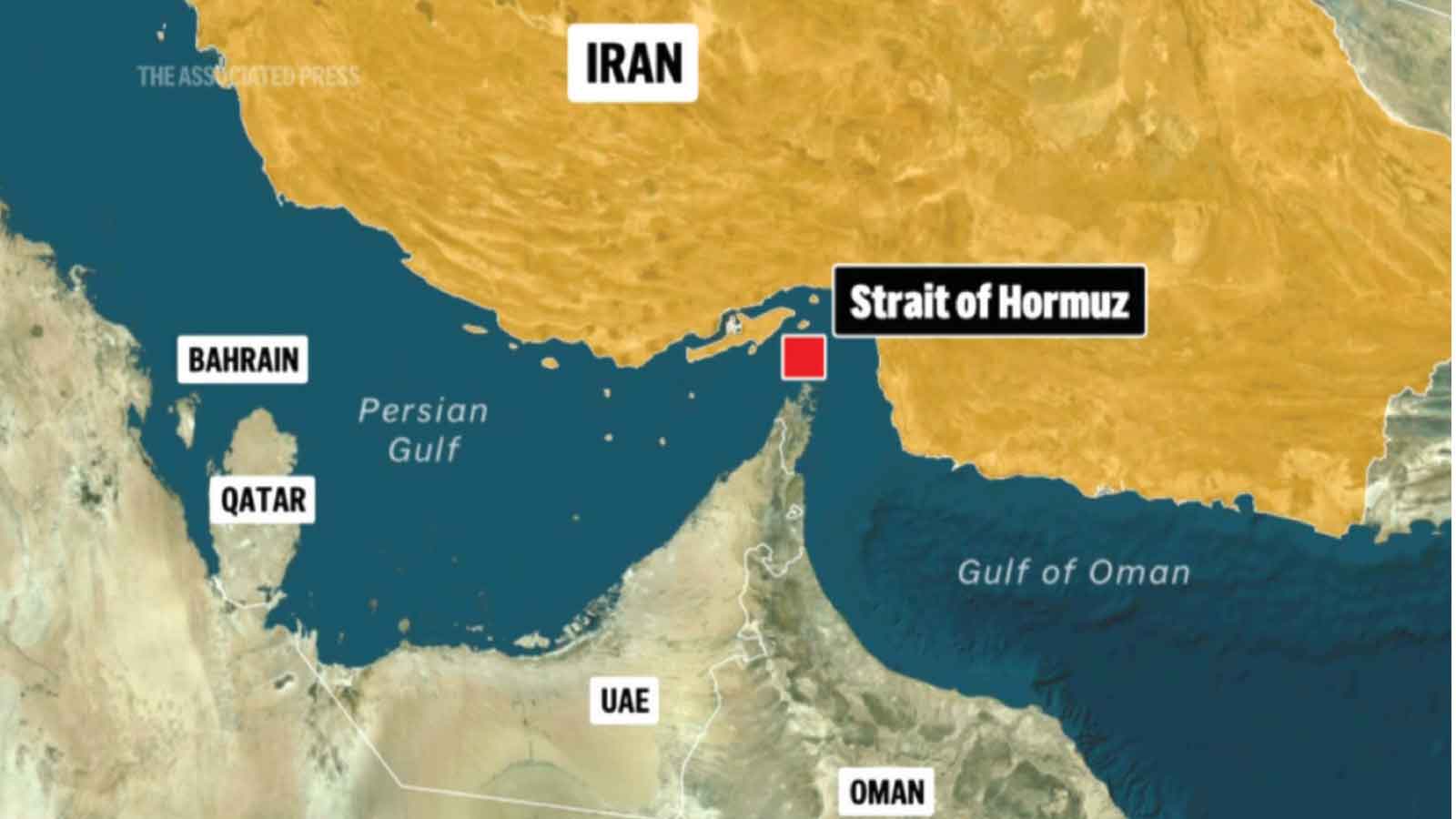
Yet this transformation is neither linear nor complete. Beneath the rhetoric of cooperation, the region remains trapped in security dilemmas — and the most striking symbol of this reality is the global strategic chokepoint: The Strait of Hormuz.
The United States’ decision to pause certain military operations in the Strait amid negotiations with Iran is not a strategic retreat, but a broad recalibration.
The Middle East is not ending conflict; it is entering a new model of conflict management: fragile ceasefires coexist with ambitious economic restructuring. The so-called “Middle East reset” is not a break from the past, but a re-organisation of the old order.
Ceasefires without peace: Tactical pauses, not conflict end
Ceasefires in the Middle East rarely mean genuine peace. More often, they are tactical breathing spaces and recalibrations for rival parties. The current détente between the US and Iran fits this pattern precisely.
Washington’s pause in direct military confrontation is not abandoning influence, but rebalancing deterrence and diplomacy, power projection and negotiation. Analysts from the Brookings Institution and the International Crisis Group have repeatedly noted that such pauses preserve bargaining chips and prevent escalation that could shock global energy markets.
For Iran, the Strait of Hormuz is a core strategic asset under sanctions and isolation. The ability to threaten shipping strengthens its negotiating position, but prolonged disruption harms its own economy and partnerships. The current ceasefire is essentially a fragile, controlled equilibrium: it creates space for dialogue while retaining the architecture of confrontation. The Middle East reset is built on restraint, not reconciliation.
Geography is power: The Strait remains the region’s anchor
At just 33 km wide at its narrowest point, the Strait of Hormuz carries nearly one quarter of the world’s seaborne oil trade, making it a structural pillar of the global economy. The IEA confirms that any turbulence triggers surging oil prices, spiking shipping insurance costs and cascading supply chain disruptions. For energy-dependent sub-Saharan Africa, this directly worsens inflation, food insecurity and fiscal strain.
Recent vessel seizures and military standoffs repeatedly prove the strait is a powerful tool of geopolitical coercion. Even the perception of risk can roil markets. It represents the endurance of traditional geopolitics: control over critical chokepoints still defines strategic advantage. Technological progress and energy diversification have not changed this truth: globalisation remains rooted in geography — and in the Middle East, geography is bound to security risk.
Ambitions of economic corridors: Transcending conflict, not escaping security
Amid structural security vulnerability, Middle Eastern states are pursuing a new strategy centred on connectivity, infrastructure and regional economic integration. From Gulf logistics and port hubs to BRI projects and the India Middle East Europe Economic Corridor (IMEC), the region aims to shift from a “theatre of conflict” to a “platform of commerce.”
This is as much geopolitical as economic. Carnegie Endowment research shows connectivity projects reshape alliances, build interdependence and redefine the metrics of power. For Gulf states, it is a necessary response to oil market volatility and the global energy transition — a path to diversification and sustained global relevance.
Yet economic corridors cannot operate independently of security realities. Maritime trade remains indispensable, and the Strait of Hormuz still anchors the regional economic ecosystem. New routes and networks reduce risk but cannot replace the strait’s centrality. The Middle East now operates a dual system: investing in the future while tethered to the past. Economic corridors coexist with traditional geopolitics, forming a contradictory and layered landscape.
New great power dynamics: From unipolar dominance to multipolar balance
The US is shifting from absolute military dominance to a mixed approach of deterrence, diplomacy and burden sharing, retaining military presence while avoiding overextension.
Meanwhile, China deepens economic and diplomatic engagement via infrastructure investment and non-interference, offering Middle Eastern states a development model free of political conditions.
Foreign Affairs and The Economist widely observe that the Middle East has entered a new phase of multipolar competition and plural cooperation. Regional states no longer face forced alignment; they enhance strategic autonomy by balancing multiple partners. This brings opportunity but also risk: agility can deliver gains, yet entanglement in major power rivalry remains a threat. Power is no longer only military. economic integration, technological capacity and diplomatic agility matter equally. The Middle East reset is as much about redefining power as redistributing it.
Between transformation and constraint, the Middle East redefines geopolitics
The Middle East reset is real: economic corridors are taking shape, diplomatic channels reopening, and cooperation mechanisms expanding. But the transformation is incomplete and deeply constrained by security structures.
The Strait of Hormuz remains the region’s central paradox: a conduit of global prosperity and a source of persistent vulnerability. As long as this strategic chokepoint holds, the Middle East cannot fully escape traditional geopolitics.
The region is not moving from conflict to peace, but reconfiguring how conflict is managed and power exercised. Fragile ceasefires create space for economic ambition, and economic ambition in turn strengthens incentives for stability. For policymakers, investors and the Global South, the lesson is clear: The Middle East is not moving beyond geopolitics — it is redefining it.
The balance between fragility and ambition will determine whether this reset becomes a durable transformation, or just another chapter of strategic uncertainty.
Tinashe Nyamushanya is the founder of Network 263, a Harare-based youth organisation. He is an international affairs analyst and independent columnist focusing on geopolitics, China-Africa relations, media narratives, and national development.