

 admin
adminRumbidzayi Zinyuke
Senior Health Reporter
Smile Train, a non-governmental organisation that offers free cleft lip and palate surgeries, has partnered the Government to capacitate local health professionals to improve identification of the birth defect for better treatment and care.
The programme will include the training of community health care workers to identify the defect and create a proper referral system for treatment, as well as the creation of a registry that will ensure that every cleft lip and palate case is captured in the database.
In a speech read on his behalf by acting director oral health services Dr Hardwicke Matikiti during an induction meeting on Monday, Ministry of Health and Child Care director curative services, Dr Maxwell Hove, said the initiative will result in the expansion of the cleft lip and cleft palate programme in Zimbabwe.
“The implementation of this programme shall improve the referral system and access to surgical care for children with such conditions,” he said.
“Just like other diseases, prevention, early detection and treatment of oral diseases is important to stop any negative effects on the rest of your body.
“The programme seeks to expand its operational scope as it now wants to embark on a community-based case finding. The expansion of this programme will require joint efforts so as to reduce the burden of missed cases.”
The global burden of children born with cleft lip and palate is one in every 3 000 live births.
Among every 100 children born with cleft lip and cleft palate, 60 of them are girls while 40 are boys and the birth defects are more common Asia and Asian American populations and less common in Africans and Africans Americans.
The incident rate for these conditions in Zimbabwe stands at one in every 1 200 live births.
“With such an important cause that will positively impact the lives and smiles of children in Zimbabwe, the programme will have to operate at optimal standards. Maintaining and improving the quality of life of individuals that are born with these conditions and their families should be the goal,” said Dr Hove.
Smile Train programmes manager for southern Africa Mrs Sibusisiwe Yona said the cleft registry would ensure that no child goes with an untreated cleft.
“One of the things we want to do is contribute to the national surgical and obstetric plan (NSOP) of the country,” she said. “Surgery is considered the step child in public health care.
“When we talk about life threatening issues we never talk about surgical issues, we always mention the communicable diseases but people don’t really pay attention to the non communicable disease and we want to change that.
“We want to make sure the policy in this country reflects the importance of surgery as a life saving procedure for patients. If we have a registry, we can identify the child at birth and take them through the cleft treatment pathway until they get comprehensively treated.”
Mrs Yona said Nigeria was the only country in Africa with such a registry that had helped them to reach out to more cleft patients and ensure comprehensive treatment.
Cleft lip surgeries can be performed when a baby is three months old while a cleft palate can be corrected at nine months.
However, in most African countries, the condition can go untreated for years, sometimes even into adulthood.
Mrs Yona said Zimbabwe already had a good primary health care system and leveraging on this would make the identification and treatment of clefts more effective.
“We want to train community health workers so that when they know more about cleft, they can refer the patient in a more systematic way for us to better trace that patient and also have an opportunity to do research and find out more about some of the nitty-gritties of cleft lip and palate peculiar to Zimbabwe,” she said.
She said the country had an advantage over other countries in the region with the second highest number of trained anaesthesiologists after South Africa.
“One of our number one priorities is patient safety and the safety of a patient is usually in the hands of an anaesthesia provider,” said Mrs Yona.
“The physicians will know how better to manipulate a cleft patient when they are putting them under anaesthesia than someone who is not. The anatomy of a cleft patient is quite different so sometimes the airway itself is a little more compromised and it takes skill to put the patient under in a safe way to make sure the patient comes back without any sentinel effect.”



 Online Reporter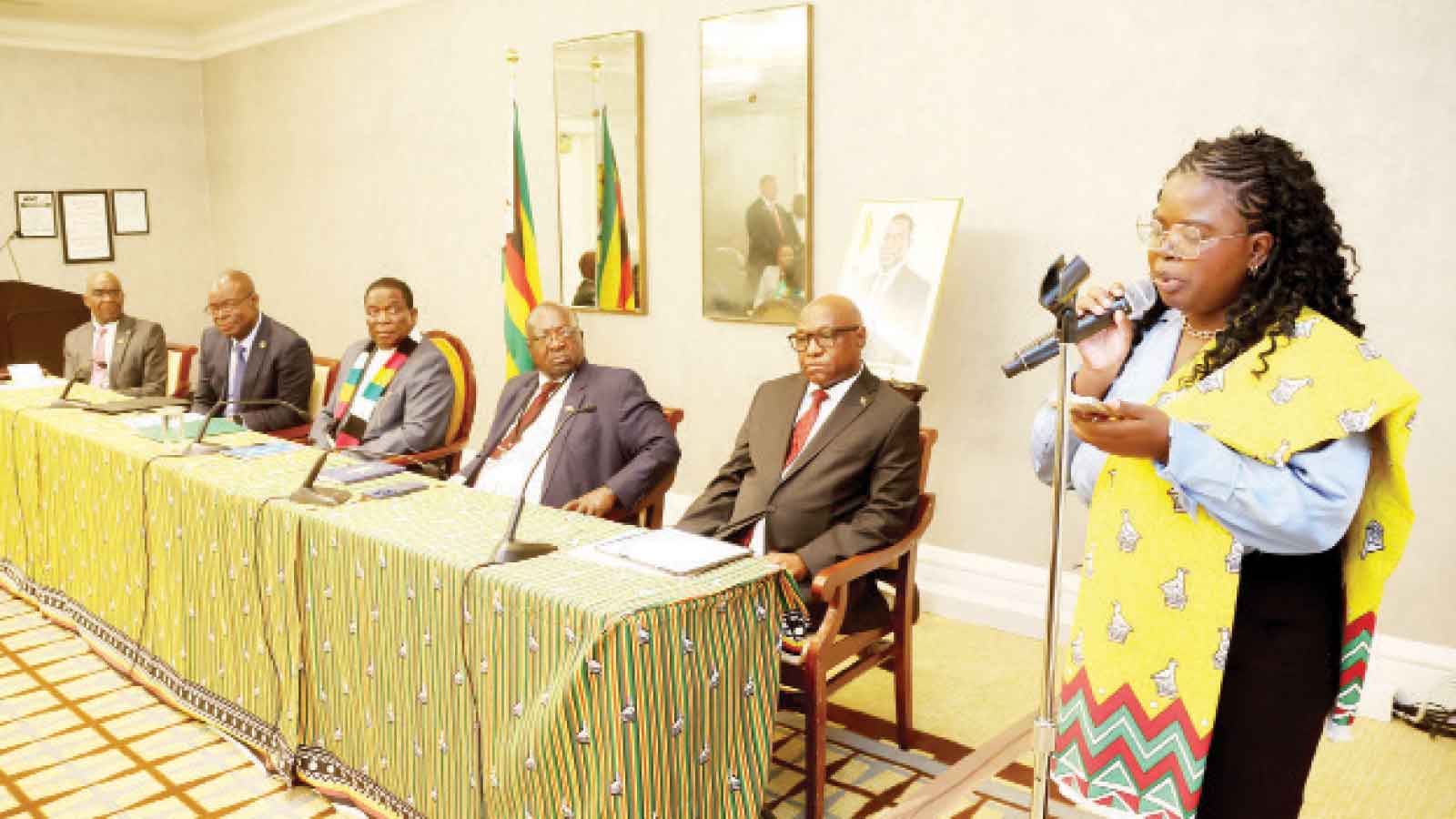
 dyton mupawaenda