Moffat Mungazi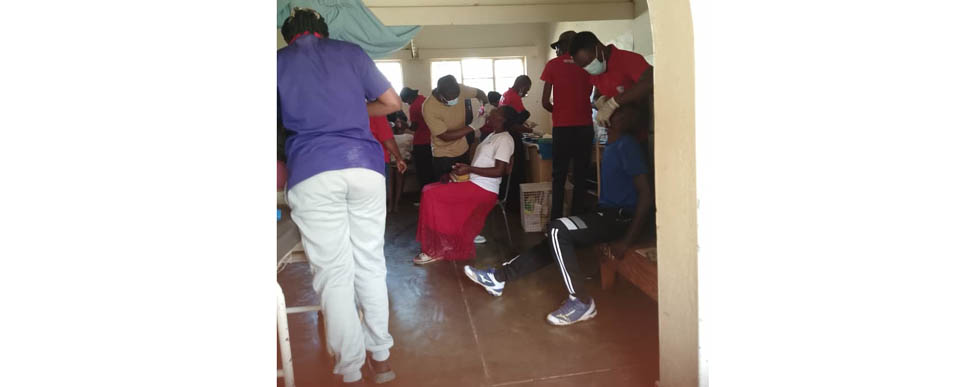
Tendai Gukutikwa
Health Reporter
MORE than 100 people in Chisumbanje last Friday received free oral health services during an outreach programme conducted by Victoria Chitepo Provincial Hospital in collaboration with other health institutions in Manicaland.
The outreach, held at St Peter’s Mission Hospital, was aimed at raising awareness on dental hygiene and provide the much-needed dental care to the rural community.
In an interview, Victoria Chitepo Provincial Hospital’s Public Relations focal person, Mrs Nyaradzo Nyandiya said the event was part of the hospital’s initiative to celebrate World Oral Health Day, observed annually on March 21.
“The main goal was to educate people on the importance of oral hygiene, while also providing free services to those who lack access to dental care. St Peter’s Mission Hospital was chosen because it does not have a resident dentist, forcing patients to travel long distances for treatment,” she said.
The free dental services were conducted by a team of professionals from various hospitals in Manicaland, including one senior Government dental officer, three dental officers, five dental therapists, one dental technician, and three dental surgeon assistants.
“The services provided included dental examinations, extractions, and treatment, with 100 people benefiting from the initiative. The specialists came from Victoria Chitepo Provincial Hospital, Bonda Mission Hospital, Old Mutare Mission Hospital, and Nyanga District Hospital,” she said, adding that the outreach revealed that the most common dental problems among oral patients in Chisumbanje were dental caries and gingivitis.
Dental caries, commonly known as tooth decay, is caused by acids produced by bacteria in the mouth that feed on sugars and carbohydrates.
“If left untreated, cavities can lead to severe pain, infections, and even tooth loss. Another common disease was gingivitis, an early stage of gum disease, which is caused by bacterial plaque build-up on the teeth and gums, causing bleeding, swelling, and redness. While gingivitis is reversible with proper care, many people in rural areas are unaware of its dangers,” she said.
The team educated patients on how to maintain oral hygiene, including the importance of brushing teeth daily, replacing toothbrushes every three months, and visiting a dentist every six months.
Mrs Nyandiya said after noting that many rural residents cannot afford regular dental visits, the provincial hospital is committed to conduct similar outreach programmes across the province every three months.
“We understand that most of the people in the rural areas which are not closer to cities are not able to visit a dentist every six months as recommended, and so as a hospital, we will be conducting these visits to rural hospitals across the province every quarter, which means four times a year. Previously, the hospital focused on prison visits, but we are now expanding our efforts to reach more communities,” she said.
However, Mrs Nyandiya said there is need for financial support to sustain and expand the programme.
She appealed to well-wishers and corporate sponsors to assist in ensuring continued access to dental care for rural populations.
“We need to reach everyone in every corner of the province, and for us to be able to do this, we need financial support, and therefore, are appealing for sponsorship and partnerships from well-wishers and the corporate world,” she said, urging people to prioritise their oral health and seek treatment before conditions worsen.
She advised them to avoid excessive sugar consumption, maintain good oral hygiene, and seek medical attention when necessary.
“Oral health is crucial, and we encourage everyone to take it seriously. Many people tend to ignore dental issues until the pain becomes unbearable, but by then, the condition may have worsened. We urge everyone to brush their teeth at least twice a day using fluoride toothpaste, change their toothbrush every three months, and visit a dentist every six months. Avoiding excessive sugar consumption is also important, as sugar contributes to tooth decay. If you experience any discomfort or notice any dental issues, seek medical attention immediately instead of waiting for the condition to deteriorate,” said Mrs Nyandiya.
Beneficiaries of the outreach expressed gratitude for the free services.
Mr John Myambo (52) shared how he has been suffering from a severe toothache for months, but could not afford private dental care.
“The pain was unbearable, and I had lost hope. I am grateful to the doctors for extracting my tooth at no cost,” he said.



 Online Reporter