Chronicle Editor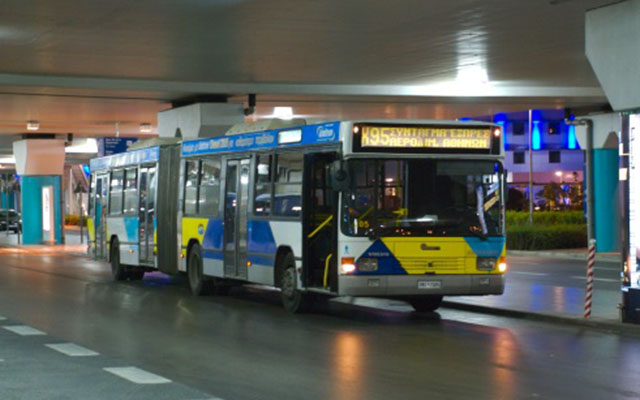
PARIS. – To fight traffic congestion, pollution and other challenges that plague modern cities, an increasing number of French towns are choosing to make their public transport networks completely free. A few months ago, the northern French town of Dunkirk made headlines by announcing that all of its buses would be free all the time as of next September.
The gritty seaside town with a population of over 90 000 (but whose public transport network extends to 200 000) will then become the largest of over 20 other French towns and cities to offer completely or partially free public transport. With this scheme, the mayor of Dunkirk hopes to provoke nothing less than a transport “revolution”.
“We wanted a transport revolution,” Patrick Vergriete told Le Parisien. “Not only are we redistributing spending power, but we are getting rid of inequalities by providing better access to jobs and leisure facilities. We are strengthening the social fabric and there is also an ecological impact.”
Fifteen towns have scrapped all fees.
To date, 15 towns in France have scrapped fees on their public transport networks completely. The small town of Compiègne near Paris led the way in 1975, and gradually, other, larger towns followed suit. Niort in western France was the latest to sign up to the scheme this summer.
Proponents of free public transport say the schemes encourage people to use public transport instead of cars; that they can boost economic activity in the town centres and that they can provide a viable long-term solution for the car-free cities of the future. Time for planning cities without today’s cars could be running short. Last month, the French government announced that sales of all petrol and diesel cars would be banned from 2040 and in Paris from 2030.
To date, many towns appear to have reaped the benefits of making their public networks free.
After bus tickets were scrapped during the weekends in Dunkirk in 2015, a study found that the number of users increased by an average of 5 000 users daily. Families, young people and the elderly were found to benefit the most. – France24



 Online Reporter