

 Online Reporter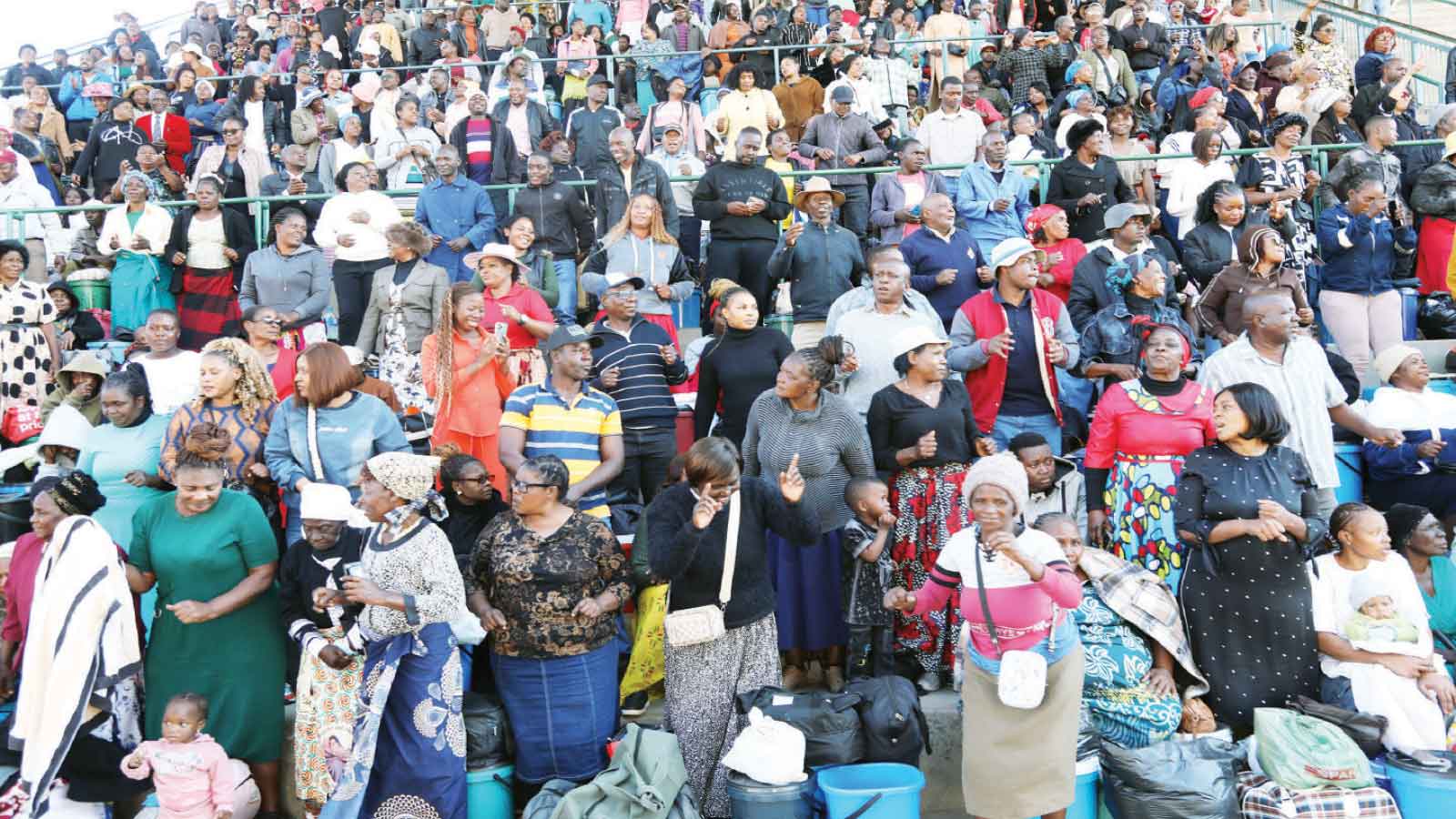
Blessings Chidakwa
Senior Reporter
THE tears, despair, and hopelessness that once defined their lives have been replaced by smiles, confidence, and renewed hope as the eighth intake of graduates from the First Lady, Dr Auxillia Mnangagwa’s Angel of Hope Drug Rehabilitation Centre embarks on vocational training.
Once trapped in the devastating grip of drug and substance abuse, they now stand transformed into disciplined, responsible and hopeful young men and women ready to reclaim their place in society and build productive futures.
For many parents and guardians, watching their children sing with joy, march with confidence and smile once again was an emotional reminder that what had once seemed impossible had become a reality through rehabilitation.
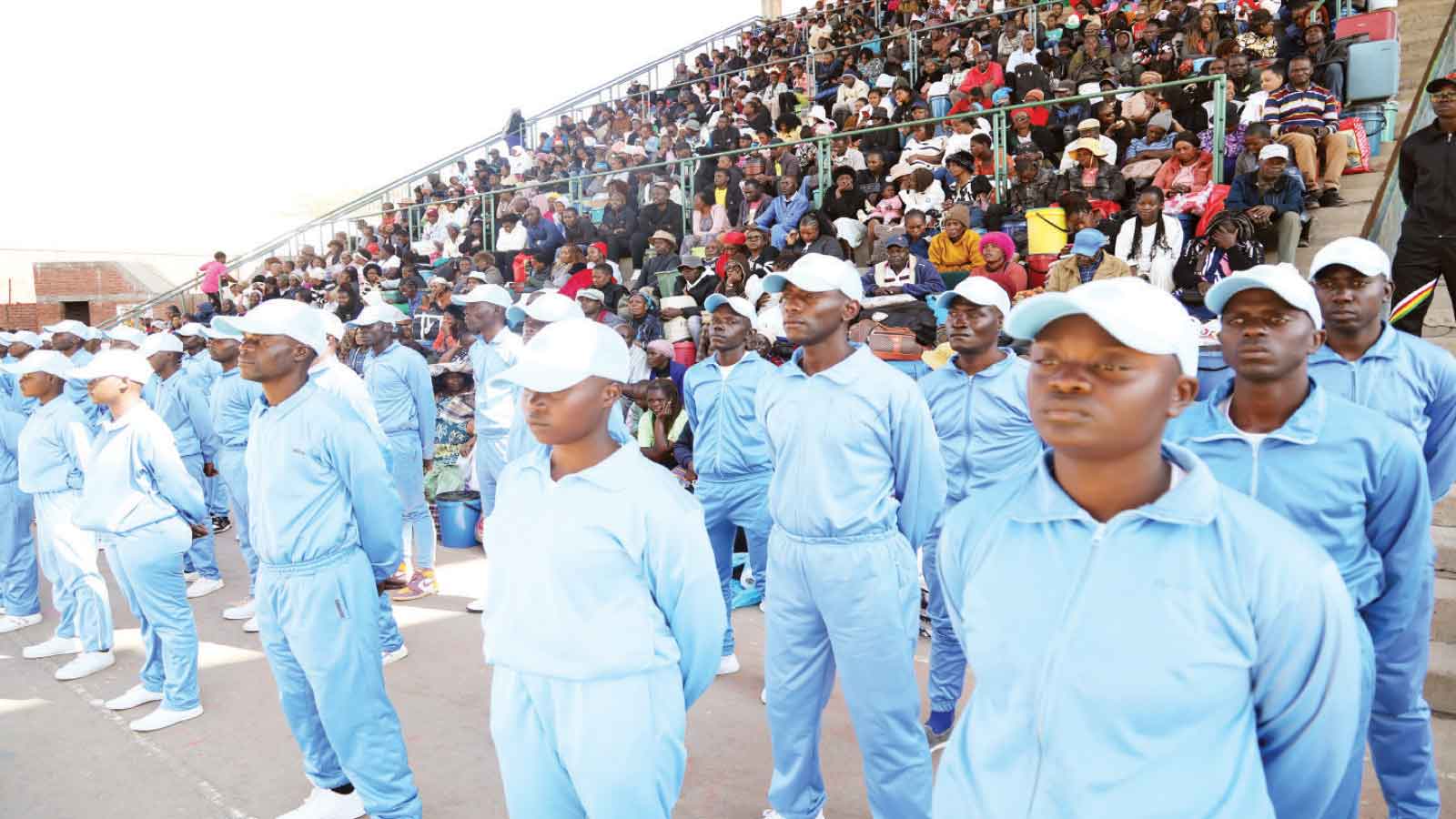
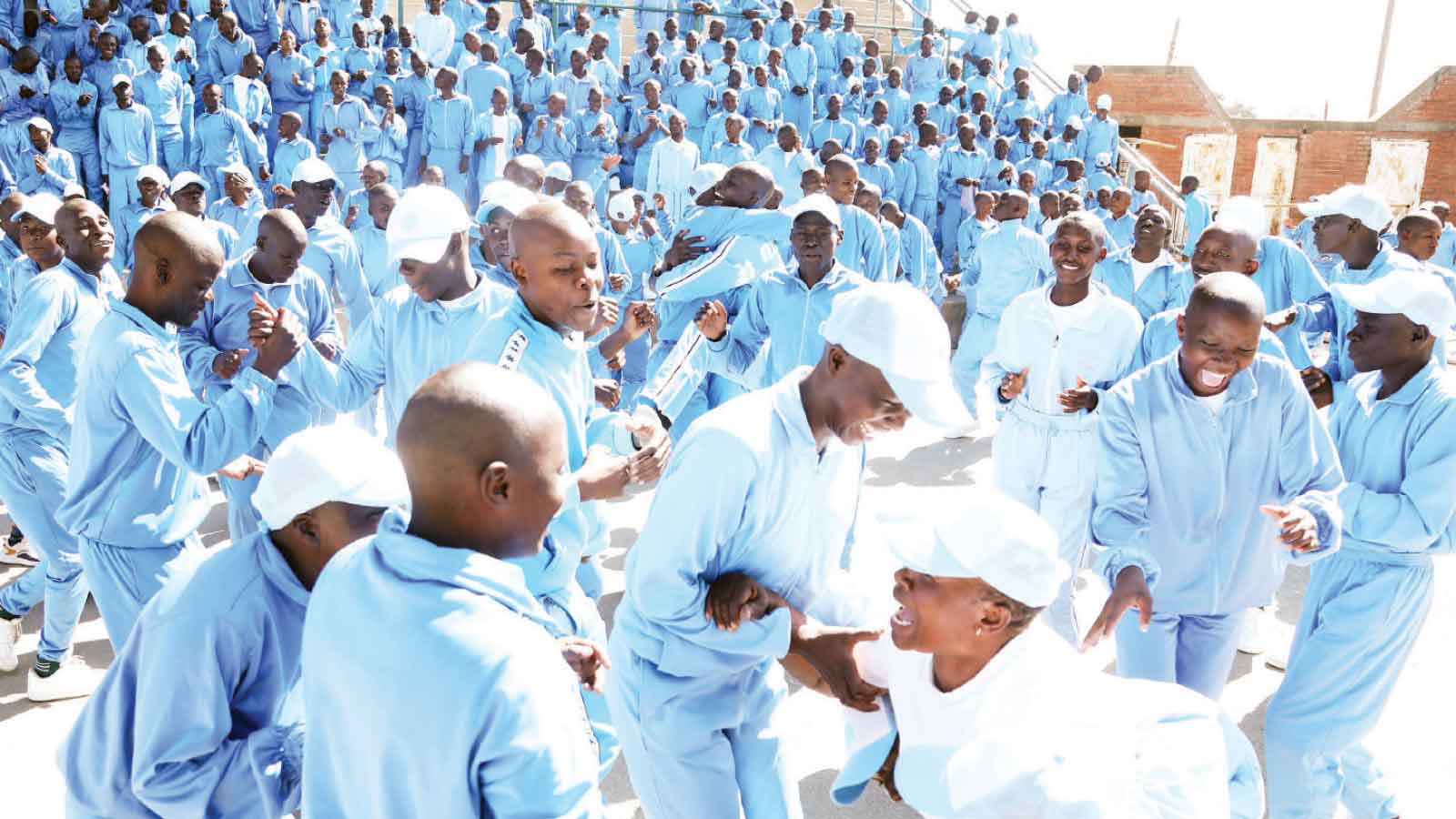
The remarkable transformation came to life during the graduates’ send-off ceremony ahead of their enrolment in vocational training, where they captivated guests with soul-stirring songs and spectacular, well-coordinated drills that reflected the discipline, teamwork, and renewed sense of purpose they had acquired during rehabilitation.
Every performance reflected a story of resilience. Every song carried a message of hope. Every drill demonstrated the confidence, discipline and unity that had replaced lives once characterised by addiction, hopelessness and despair.
Smartly dressed and beaming with confidence, the graduates displayed a renewed sense of self-worth as they prepared to begin vocational skills training, the next phase of a programme designed to equip them with practical skills for self-reliance and successful reintegration into society.
The ceremony brought together Government officials, parents, guardians and rehabilitation staff, many of whom struggled to hold back tears as they reflected on the remarkable transformation of young people who had once seemed beyond redemption.
Representing the Permanent Secretary in the Office of the President and Cabinet, Mr Tafadzwa Muguti, Director in the Office of the President and Cabinet, Pastor Leopold Mahofa described the graduation as a celebration of transformation, resilience and renewed hope.
He said the 280 graduates, comprising 254 males and 26 females, had arrived at the rehabilitation centre distressed, hopeless and battling addiction but were leaving healthier, disciplined and ready to embark on vocational skills training before reintegrating into society.
“Today is not merely a graduation ceremony, but a celebration of transformation, resilience, recovery, reconciliation and renewed hope.
“These graduates arrived at this rehabilitation centre as sick, despairing and distressed drug and substance abuse patients, but they are now composed, healthier in outlook and appearance, and have demonstrated renewed discipline,” he said.
Pastor Mahofa said the Angel of Hope Drug Rehabilitation Centre, established under the leadership of the First Lady, had become a beacon of hope for young people and families affected by drug and substance abuse.
He said the centre continues to demonstrate that rehabilitation and reintegration are possible when communities unite behind vulnerable young people and provide them with the support needed to rebuild their lives.
“The establishment of this centre has demonstrated that rehabilitation and reintegration are possible when a concerned leader chooses to take the lead in addressing a national challenge.
“The success stories emerging from this institution continue to inspire confidence among communities across the country and reinforce the importance of collective action in addressing the scourge of drug and substance abuse,” he said.
Pastor Mahofa urged the graduates to remain focused as they proceed for vocational training, where they will receive skills training before returning to their communities as productive citizens.
“The knowledge, values and life skills you have acquired here should guide you as you head for vocational skills training. Thereafter, you are expected to reintegrate into your families, communities and the nation at large, contributing to building your nation brick upon brick and stone upon stone.
“I encourage you to become ambassadors in the fight against drug and substance abuse by sharing your experiences and helping others avoid the mistakes that once threatened your future,” he said.
Turning to parents and guardians, Pastor Mahofa thanked them for standing by the graduates throughout the rehabilitation process, saying their continued support would be critical in sustaining the transformation achieved at the centre.
“Your role does not end today. The successful reintegration of these graduates will depend greatly on the continued love, guidance and encouragement that you provide. Let us create supportive environments that enable them to sustain the positive changes they have achieved,” he said.
Pastor Mahofa also commended the rehabilitation centre’s management and staff for their dedication and professionalism in restoring hope to young people whose lives had been devastated by drugs.
Deputy Director in the Ministry of Youth Empowerment, Development and Vocational Training Victor Mazvuma said the ministry remained committed to ensuring the graduates successfully complete vocational skills training and become self-reliant.
He said rehabilitation alone was not enough, making it imperative to equip beneficiaries with practical skills that enable them to earn sustainable livelihoods and contribute meaningfully to national development.
“The journey we have started together will continue until we are satisfied that it has produced meaningful results. We remain committed to ensuring these young people benefit fully from this programme and successfully rebuild their lives,” he said.
Mr Mazvuma said the graduates would undergo training in various vocational disciplines while also receiving lessons in entrepreneurship, leadership, teamwork and discipline.
“They will be taught discipline, teamwork, leadership, entrepreneurship and other essential life skills. Each beneficiary will choose a vocational trade that matches his or her interests before receiving specialised training. Learning alongside other young people will also help ease their reintegration into society,” he said.
The ceremony was punctuated by heartfelt testimonies from beneficiaries whose lives have been transformed through rehabilitation.
One of the graduates, Tafara Mlambo, struggled to put his transformation into words, saying the opportunity had given him a new lease on life and restored his hope for the future.
“I am a man who has been given a second chance at life. Your presence here means Zimbabwe has not given up on us. Our beacon of hope, Amai Dr Auxillia Mnangagwa, we thank you for loving us and seeing us as people who are worth serving.
“To our stakeholders and trainers, we thank you for helping us rebuild our lives. You believed in us when we did not believe in ourselves. We promise to remain drug-free and to help promote sobriety in our communities,” he said.
Mlambo added: “We promise to respect our families, our community and the law. We also promise that the second chance we have been given, and the time invested in us, will not be wasted. Instead, we will produce results.”
Ms Colleta Mudzimiri said she had completely lost direction before being admitted to the rehabilitation centre.
“I was mentally unstable and spent most of my time wandering the streets. The First Lady showed me love at the rehabilitation centre. When I arrived here, I was encouraged to change my life and leave drugs behind. I also looked forward to learning vocational skills,” she said. Ms Mudzimiri said rehabilitation had transformed her outlook on life and restored her dignity.
“Angel of Hope Drug Rehabilitation Centre taught me discipline. Today, I listen to instructions and have learned to respect elders. Before coming here, I barely ate and had become very thin. My health has greatly improved.”
Another beneficiary, Mr Caleb Dhliwayo, said he arrived at the centre in a violent condition and had to be restrained because of his behaviour.
“When I came here, I had to be restrained with chains because I was violent and often assaulted people. Through rehabilitation, I have changed together with my fellow patients,” he said.
He said the programme had restored both his health and hope for the future.
“We had lost our appetite and even neglected basic hygiene before coming here. Now we are drug-free and I promise we will not go back to drugs. We are taking charge of our lives. The rehabilitation programme has been good for us, including the healthy diet we receive. I am grateful to our First Lady for supporting us.”
Another beneficiary, Ms Christabel Humbira, thanked the First Lady for giving her a second chance at life.
“I am deeply grateful to our First Lady for this programme. I was a woman who had lost my way and had run away from my family,” she said.
She said drug abuse had destroyed her family life.
“I would spend nights away from home, leaving my husband and children behind. I now promise to rebuild my home and restore my relationship with my husband and my family.”
Parents and guardians also shared emotional testimonies, describing the rehabilitation programme as a lifeline that had restored hope to families once torn apart by drug and substance abuse.
Many recalled years of anguish as they watched their children descend into addiction, often disappearing from home for days, neglecting their health and becoming estranged from their loved ones.
For them, the graduation ceremony was more than a celebration of rehabilitation. It was a moment of healing, forgiveness and renewed hope for families that had feared they would never see their children recover. Mr Erick Kambarami said his family had regained hope after witnessing the remarkable transformation of their relative.
“I am happy because we have seen real change. Before rehabilitation, our child lived in the bush and refused to come home. We had to search for him as though we were looking for stray cattle. What we have witnessed is truly remarkable. Please continue with this compassionate work,” he said.
Another parent, Mr Tinashe Chikwiramako, said drug addiction had subjected his family to years of pain and humiliation.
“We went through very difficult times with our child. I want to thank our First Lady, Dr Mnangagwa, for this programme.
“We were insulted, assaulted and endured all kinds of abuse because of drug addiction. Today, I am grateful that our child is returning home as the person we once knew,” he said.
A 70-year-old grandmother, Mrs Tendai Chapungu, could hardly contain her joy as she reflected on her grandchild’s transformation.
She said she had almost given up hope after watching drugs rob her grandchild of a promising future.
“I had lost my child, who was living in the bush. When I heard about this programme, I immediately registered him and he was admitted. The problems that had nearly destroyed our family have now come to an end. Drug abuse had taken away all my happiness,” she said.
Mrs Chapungu said her grandchild had always been gifted before drugs derailed his future.
“He is a trained electrician and a multi-talented young man who excelled in athletics and football, but all that potential was wasted because of drugs. I hope he will continue on this new path so that our family is no longer a laughing stock.”
Another parent, Mrs Chipo Posita, thanked the First Lady for restoring hope to families battling drug and substance abuse.
“I am grateful for this programme because many families are facing challenges with children affected by drug abuse. My daughter never slept at home, and it caused me great pain. I always tell people that it is never too late. I even returned to school at the age of 50,” she said.
She said her daughter’s condition had deteriorated significantly before she was admitted to the rehabilitation centre.
“She neglected her personal hygiene and refused to bathe. I thought she had lost her mind. Today, she has regained her health, gained weight and is looking much better. I am thankful for the transformation we have witnessed.”
As parents embraced their children after the ceremony, there were smiles, tears of joy and heartfelt expressions of gratitude, reflecting the profound impact the rehabilitation programme has had on families across the country.
For many, the event marked not only the end of rehabilitation but also the beginning of healing within families that had endured years of pain, uncertainty and broken relationships. The graduates now proceed to a vocational centre where they will undergo skills training in various disciplines before reintegrating into their communities.
The programme seeks to equip them with practical skills, entrepreneurship training and the confidence to establish sustainable livelihoods, reducing the risk of relapse while contributing to national development.
As they embark on the next chapter of their journey, the graduates carry with them not only certificates of rehabilitation but also renewed hope, restored dignity and the determination to become productive members of society.
Their songs echoed through the venue, their precision drills drew thunderous applause, but it was their transformation from broken lives overshadowed by addiction to lives filled with purpose, discipline and hope that became the day’s most powerful testimony.
For communities battling the devastating effects of drug and substance abuse, their journey stands as a reminder that recovery is possible, families can be reunited and lives can be rebuilt when compassion, commitment and opportunity come together.
The Angel of Hope Drug Rehabilitation Centre continues to demonstrate that behind every patient lies the potential for renewal, and that with the right support, even lives once consumed by addiction can be transformed into stories of resilience, dignity and hope.



 Bongani Ndlovu
If peddling and using drugs is a criminal offence in this country, why are these people not send to jail? How will we stamp out drug abuse when the same abuse is now being seen as a way to improve one’s life? This method of rehabilitation clearly goes against the very intentions of stamping out criminality associated with drugs. There are more drug users now than they were before this Angel of Hope rehabilitation project started and it is evident through the numbers coming forward for rehabilitation.