Inside ZIFA
Nqobile Magwizi
THE development of football is a journey, and one that must begin long before players reach the senior national teams.
It requires deliberate investment in young talent, regular competitive opportunities and a clear pathway through which promising footballers can grow, improve and ultimately represent Zimbabwe at the highest level.
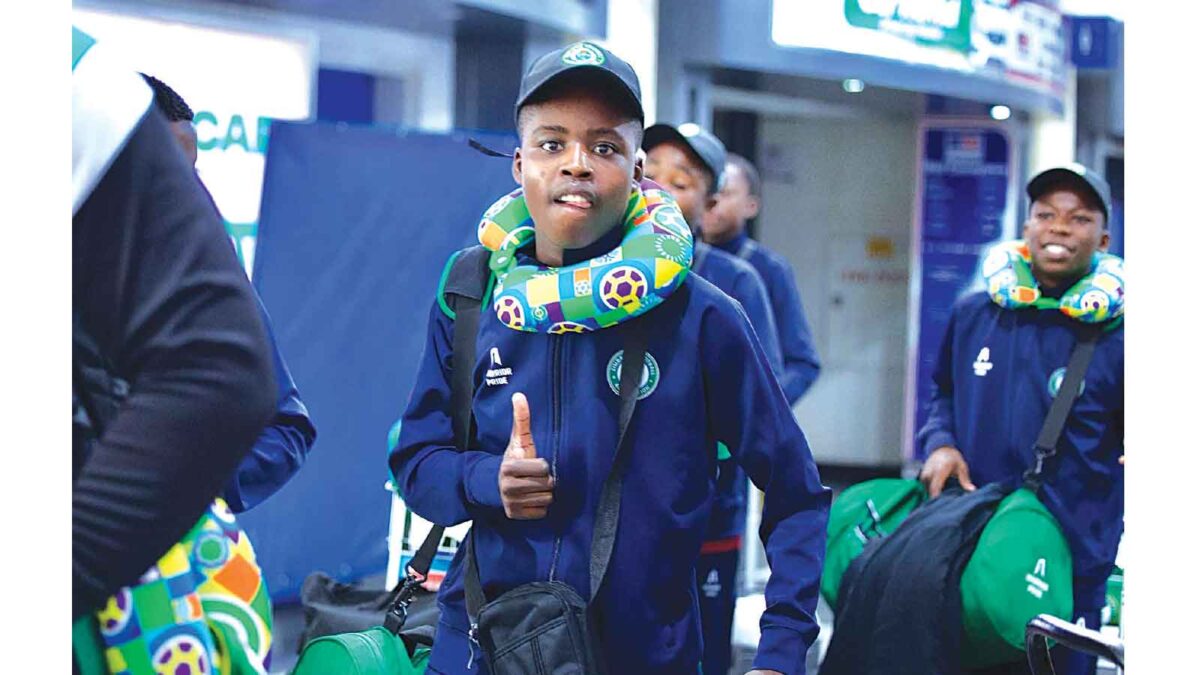
Our recent participation at the inaugural FIFA Under-15 World Cup and Festival in Baku, Azerbaijan, provided an important illustration of why international exposure must become a regular feature of our junior football development programme.
The Young Warriors finished 107th among 189 participating teams, having moved 70 places from their initial tournament ranking of 177th. They also finished fourth in their group and 11th in Tier D.
There were encouraging moments along the way.
Victories over Cambodia and Montenegro in the group stage, followed by wins against Mauritania, the Philippines and Cabo Verde in the placement matches, demonstrated the team’s ability to compete.
The defeats, including those against the Republic of Ireland, Nicaragua, England, Lithuania and Sierra Leone, also provided valuable lessons.
We must be honest about both sides of that experience.
Our young players have seen what they can achieve, but they have also encountered the standards and demands that international football places on developing players.
Both are important.
Development requires us to recognise progress while remaining clear-eyed about the work that lies ahead.
For these boys, Azerbaijan was about more than results and rankings.
It was an opportunity to encounter different football cultures, playing styles, levels of organisation and approaches to competition.
They experienced what it means to represent their country on a global platform, and they return with lessons that must inform their continued development.
Our responsibility is to ensure that this experience does not remain an isolated event.
Significantly, barely a week after the Young Warriors returned home, ZIFA hosted the junior draw for the Munhumutapa Challenge Cup.
This is another important opportunity to widen the search for talent and create competitive platforms through which young footballers can be identified, assessed and developed.
International exposure must be supported by opportunities at home.
We cannot build national teams by relying only on occasional selection exercises.
We need a broader and more consistent process that reaches into schools, communities, provinces and development competitions.
Our domestic football structures must provide the foundation upon which national-team development is built.
The lack of a coordinated junior football pathway that allowed for data gathering and development planning has let our football slide down both in rankings and performance.
Bringing on board competitions such as the BancABC Roots Impact, Munhumutapa Challenge Cup (both boys and girls) gives the nation a solid bedrock on which to launch the next generation of national stars.
The next major opportunity is already on the horizon.
From December 4 to 13, Zimbabwe’s Under-17 boys and girls will compete at the African union Sports Council Region 5 Youth Games in Maputo, Mozambique.
Both competitions will also serve as the COSAFA Under-17 Championships.
For our boys, the competition carries additional significance as a qualifying pathway to the CAF Under-17 Africa Cup of Nations.
It is an opportunity to measure ourselves against regional opposition while pursuing a place at the continental finals.
For our girls, the tournament doubles as the COSAFA Under-17 Girls Championship, bringing important exposure and a platform to strengthen the development of women’s football in Zimbabwe.
These opportunities must be viewed as connected parts of a bigger picture.
The Under-15 experience in Azerbaijan, the domestic talent-identification platforms provided by competitions such as the Munhumutapa Challenge Cup, and the Under-17 assignments in Maputo should all contribute to a coherent development pathway.
This is the thinking behind our broader commitment to building a sustainable football development structure.
We want to identify talent early, invest in coaching, improve the quality and consistency of competition, and create opportunities for players to progress through the age groups.
The journey from Under-15 to Under-17, Under-20, Under-23 and ultimately the senior national teams must be deliberate rather than left to chance.
We must also ensure that the opportunities available to our young women are given the same seriousness, planning and institutional support.
The future of Zimbabwean football cannot be built by developing only one half of our talent base.
Our ambition is not simply to take teams to tournaments. It is to prepare players to compete, learn from those experiences and return better equipped for the next challenge.
That requires continuity in coaching, player monitoring, technical development and access to meaningful competition.
We cannot aspire to compete with the world if our young players never get the opportunity to experience the world game.
Equally, we cannot expect them to make the most of those opportunities unless we prepare them properly at home.
Azerbaijan must be a beginning, not an exception.
Maputo must be another step in a journey that continues well beyond December. And competitions on our domestic calendar must keep widening the pool of talent from which future generations of Warriors and Mighty Warriors will emerge.
At ZIFA, our responsibility is to make that journey possible. We want international football exposure to become a habit for Zimbabwean junior teams, and for every opportunity to represent the country to be part of a larger, carefully constructed pathway.
The future of our football is being shaped today, in our schools, communities, academies and junior competitions. We must give that future the structure, support and opportunities it deserves.
The world stage should not be a distant dream for our young footballers. It must become a destination for which we prepare them, consistently and deliberately.
The work continues.
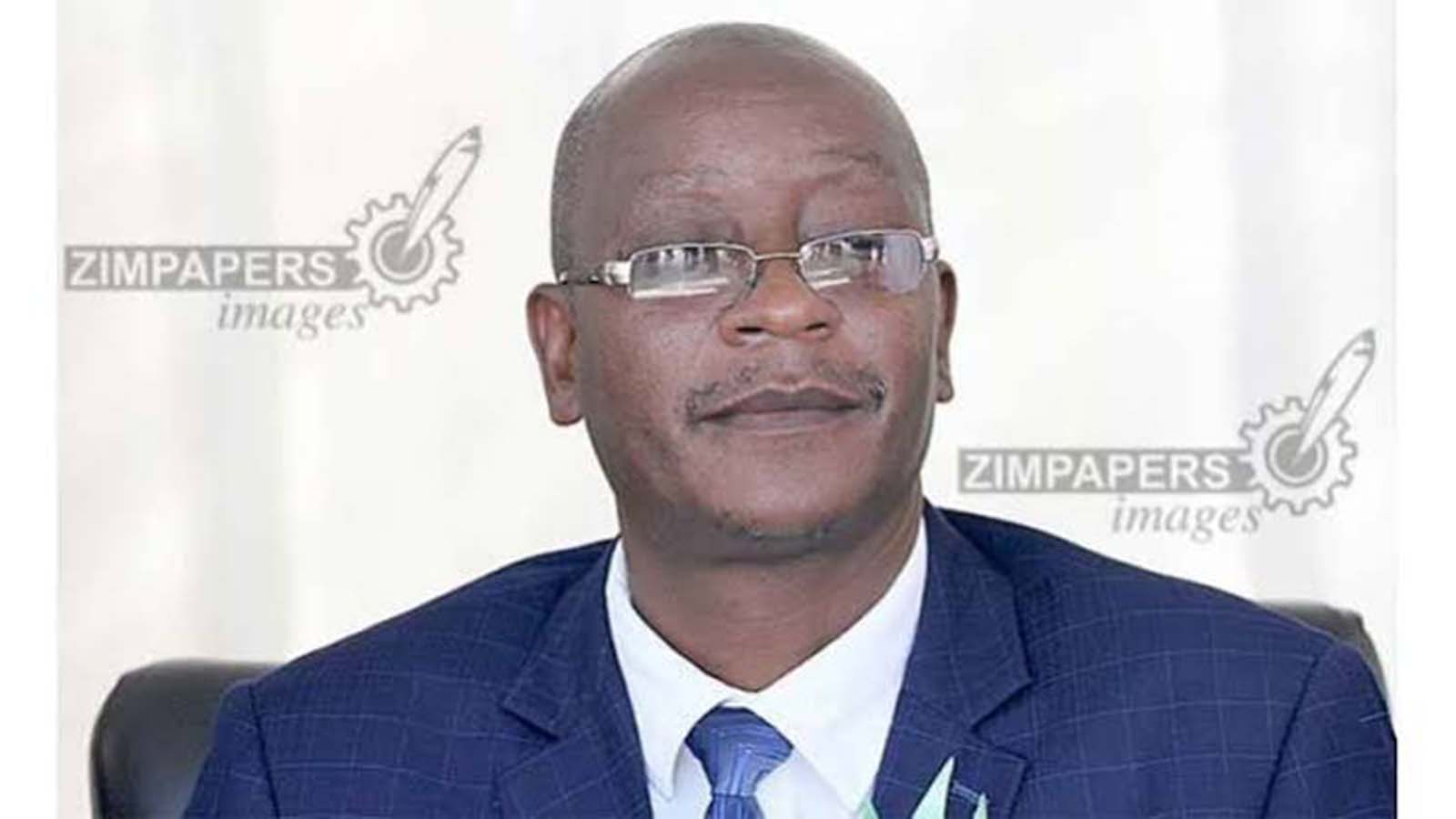
Nqobile Magwizi is the president of ZIFA.