Online Reporter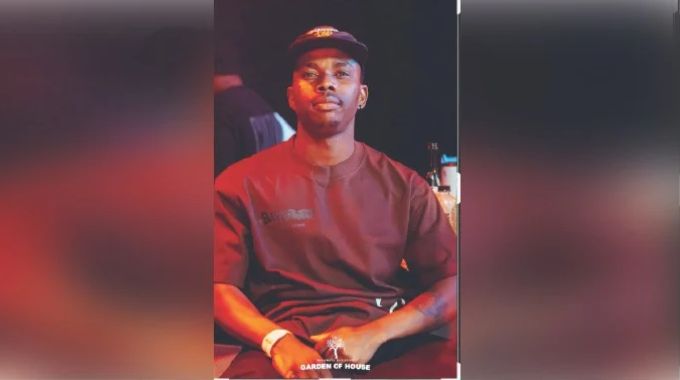
Langelihle Dube, [email protected]
FOR Wesley “Tunchi” Mzambie, fashion started with clothes, not a business plan.
Before Sukhavad Apparel became part of Bulawayo’s creative scene, Tunchi was styling himself and his friends in ways that attracted attention.
Soon, people wanted to buy what they saw.
“People liked how we dressed, how we styled our friends, and eventually we were dressing people for events. People wanted to buy whatever we had on. That reaction is really what planted the seed,” he said.
The idea for Sukhavad emerged in 2023 before taking shape in late 2024.
Its philosophy came first, inspired by the belief that people need reassurance through life’s ups and downs.
“The world isn’t perfect, everyone goes through ups and downs, but people need that constant reminder that they’re being watched over no matter what,” he said.
That thinking became the foundation of the debut “God Got You” collection.
Turning the vision into quality garments proved challenging.
“Getting things made properly, to the standard we wanted, that was the real early battle,” he said.
But support from beyond his immediate circle gave Tunchi confidence that Sukhavad could become more than a clothing label.
“We believed Sukhavad could be something big from day one. What confirmed it was the support not just from friends, but from strangers who started backing us.”
The brand found particular traction in hip-hop, eventually earning two consecutive Zim Hip Hop Awards nominations in the Best Brand Supporting Hip Hop category.
“It means a lot to the whole Sukhavad team. Being recognised by the biggest names in the country’s hip-hop scene gave us real confidence, especially building from Bulawayo.”
As Sukhavad grew, Tunchi began thinking beyond clothing.
That vision produced Suk Kulture Fest, whose inaugural edition was held earlier this year. The festival brought fashion, music and other creative disciplines together through designer pop-ups, garment demonstrations, textile showcases and live entertainment.
“We wanted a space where creators, stylists and buyers could mix freely and just appreciate the aesthetic,” he said.
Tunchi sees the festival as a cultural platform rather than simply an extension of the clothing business.
“SUKHAVAD will forever be considered as a parent of the event,” he said.
The experience also taught him that organising an event is a months-long process.
“As an organiser, the event doesn’t happen on the day it happens every single day from the moment you start planning it,” he said.
For Tunchi, watching people experience the finished product made the sleepless nights worthwhile.
“Standing there watching people experience what we had planned was an overwhelming, specific kind of high. That was the exact moment I knew the months of stress, sleepless nights, and paperwork had paid off.”
His ambitions now stretch across fashion, lifestyle and culture, with plans to create opportunities for models, photographers, videographers, stylists, DJs and musicians.
And while Bulawayo remains the brand’s foundation, he wants Sukhavad to reach beyond Zimbabwe.
“Sukhavad is fashion, lifestyle, culture and that’s for people everywhere, not just Zimbabwe. We are taking the brand beyond our borders.”
For someone who started by styling friends, the journey has moved far beyond clothing.
Asked what he would tell his younger self, Tunchi said: “We followed the calling. The fatigue gets easier to carry, the disappointments are becoming fuel, and the highs are unlike anything else.”