Online Reporter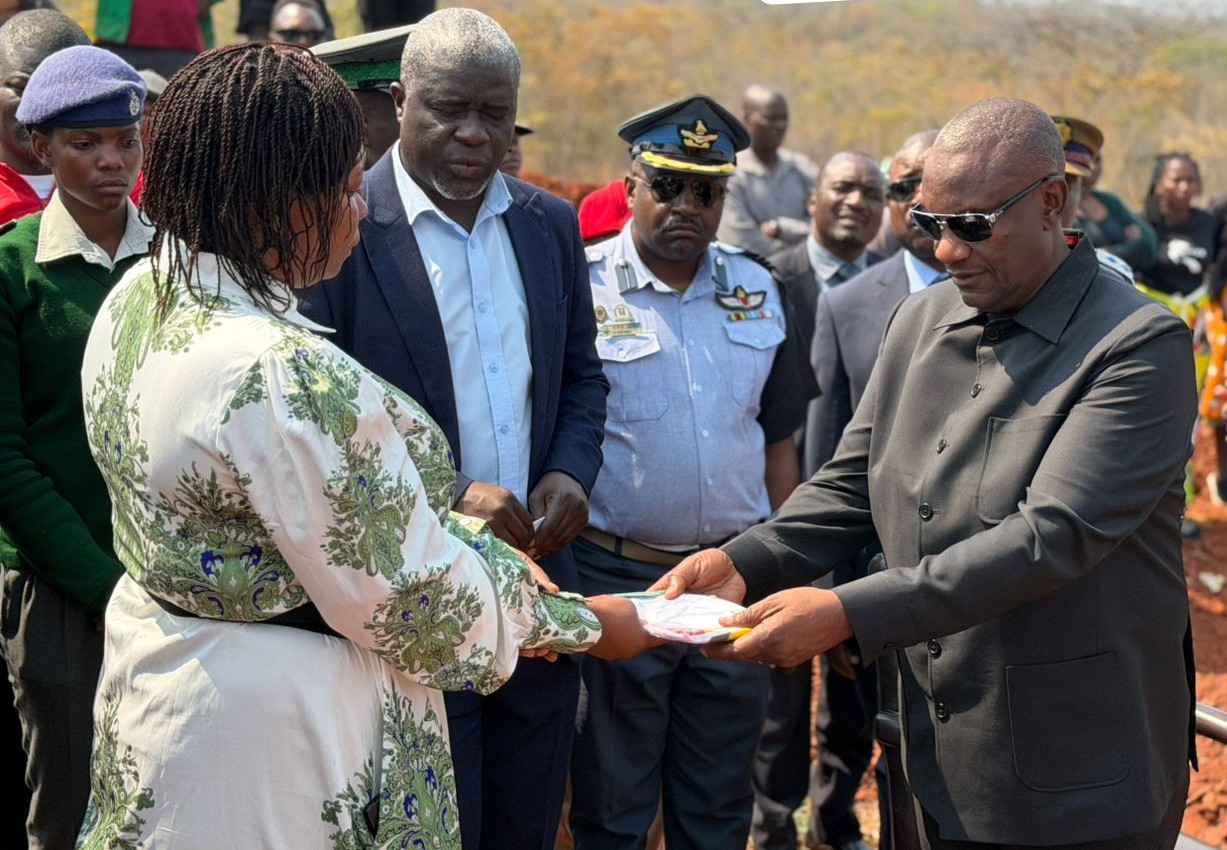
Patrick Chitumba [email protected]
THE life of liberation war hero Cde Everson Nyoni, from his experiences under colonial rule to his decision to join the armed struggle for Zimbabwe’s independence, was yesterday celebrated as a story of courage, sacrifice and unwavering patriotism.
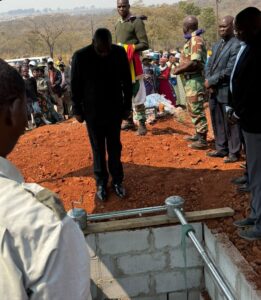
Cde Nyoni, who joined the liberation struggle in 1977 at the age of 20, was laid to rest at the Gweru Provincial Heroes Acre following his death on August 31 at Gweru Provincial Hospital after a long illness.
His final farewell came after President Mnangagwa conferred Liberation War Hero status on him in recognition of his contribution to Zimbabwe’s liberation.
Speaking at the burial, Midlands Minister of State for Provincial Affairs and Devolution Owen Ncube said the honour reflected the nation’s gratitude to men and women who risked their lives to free the country from colonial rule.
“The Midlands Province appreciates the conferment of Liberation War Hero status by His Excellency, the President of the Republic of Zimbabwe, Cde Dr ED Mnangagwa, to Cde Nyoni in recognition of his selfless sacrifice to the independence and freedom of our motherland Zimbabwe from colonial bondage,” said Minister Ncube.
Minister Ncube said Cde Nyoni was born on January 7, 1957, at Lundi Clinic in Zvishavane and was the youngest of five children.
After completing Standard Six at Mbilashava Primary School in 1969, he moved to Harare the following year in search of work. It was there that he experienced the harsh realities of colonial rule.
“It was there that he experienced first-hand the racial discrimination, humiliation and brutality inflicted on black people under colonial rule. Rather than accept the oppression, Cde Nyoni chose the path taken by thousands of young Zimbabweans of his generation — joining the armed struggle,” he said.
Minister Ncube said Cde Nyoni joined ZANLA in 1977 and embarked on the difficult journey to Mozambique to become a freedom fighter.
“He later proceeded to Beira where he underwent formal military training and adopted the Chimurenga name Cde Black-Mamba Devil Eyes. His decision to join the armed struggle marked the beginning of a journey that would see him risk his life for the liberation of Zimbabwe,” said Minister Ncube.
After independence in 1980, Cde Nyoni continued serving his country in the Zimbabwe National Army.
“He was attested into the ZNA at 5:3 Infantry Battalion in Kwekwe and served until his retirement on December 31, 1997, when he left the army as a Colour Sergeant,” he said.
Minister Ncube said Cde Nyoni’s life reflected the true meaning of the liberation struggle, which was not only about ending colonial rule but also restoring the dignity of black Zimbabweans and creating opportunities for a better future.
He said the ideals that motivated liberation fighters continued to guide the country’s development efforts under the Second Republic through programmes focused on devolution, infrastructure development, modernisation, industrialisation and economic empowerment.
“Midlands remained committed to the attainment of an upper-middle-income society by 2030. Cde Nyoni’s life inspires not only his friends and close associates, but generations within and beyond the Midlands Province,” Minister Ncube said.
He urged young people to emulate the late liberation war hero’s patriotism, dedication and commitment to national service.
Cde Nyoni is survived by four children and two grandchildren.
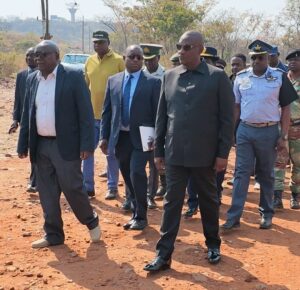
Meanwhile, Minister Ncube used the occasion to assess ongoing upgrades at the Midlands Provincial Heroes Acre.
He inspected the construction of modern ablution facilities at the shrine, part of efforts to improve amenities and preserve the resting place of the province’s liberation heroes.
The improvements are intended to ensure the provincial shrine continues to reflect the dignity and respect owed to those who sacrificed for Zimbabwe’s independence.
“This is a befitting upgrade that ensures the Heroes Acre is maintained with the dignity and respect it deserves,” Minister Ncube said.