Online Reporter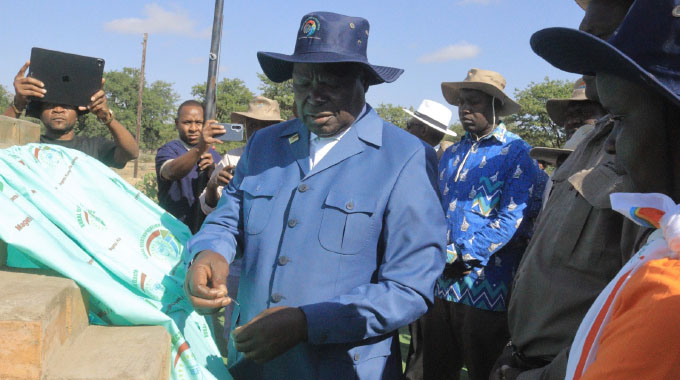
Thupeyo Muleya, [email protected]
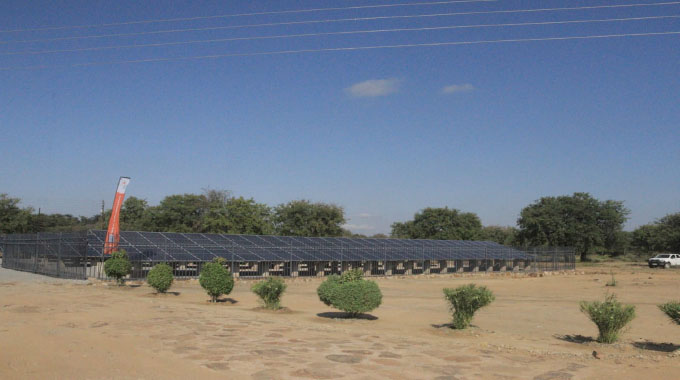
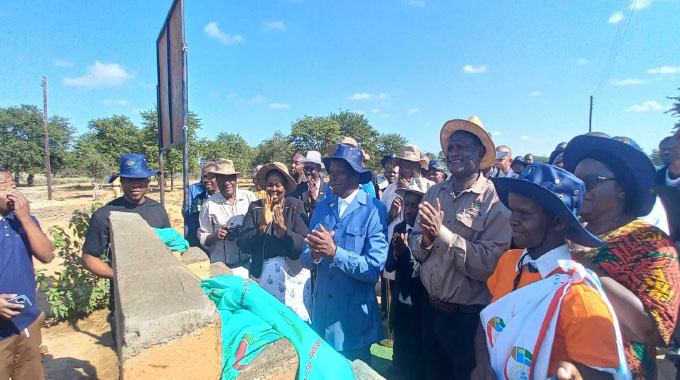
AFTER decades of living without electricity, residents of Tshitulipasi in Beitbridge are celebrating a new chapter in their lives following the completion of a 120-kilowatt solar mini-grid and 25 biogas digesters that are already transforming the community.
The project, which was commissioned on Thursday by the Minister of Energy and Power Development, was implemented by the Rural Electrification Agency (REA) at a cost of ZWG16 million.
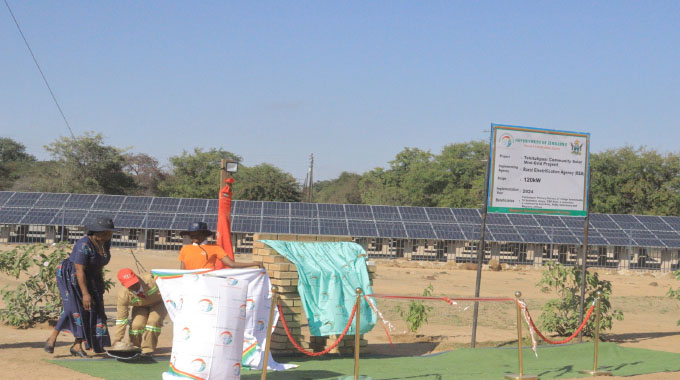
More than 40 homesteads, 10 public institutions, 27 shops and community water points have now been connected to electricity, ending a long wait for a service many residents once thought they would never see in their lifetime.
For years, electricity remained a distant dream for the community. Today, homes are lit, businesses are growing and key institutions such as schools and health facilities now have a reliable source of power.
The project forms part of Government efforts to expand rural electrification and improve living standards in previously underserved communities. It is also expected to stimulate economic activity, strengthen service delivery in education and healthcare, and support agricultural production through irrigation.
Residents say the impact is already being felt.
Local businessman and solar project committee chairperson Mr Robert Hlongwane said the development had opened new opportunities for both entrepreneurs and the wider community.
“This is a good development for us. We expect to see improved service delivery in the education sector, and small to medium projects will be able to function properly and grow in numbers.
“From a businessman’s perspective, this solar grid project is expected to stimulate economic growth in this area, and we are planning to use electricity to carry out small home industries and horticulture projects.
“You can see for yourself that this area has been lit up. We now have meaningful business ventures and some like myself have opened a butchery and others are able to sell and keep perishables in fridges,” said Mr Hlongwane.
Beyond powering homes and businesses, the project is expected to promote environmental sustainability by reducing dependence on firewood while supporting water abstraction and irrigation through solar energy.
Village head Mr Samson Musuthu Moyo said the electrification of local institutions would have lasting benefits, particularly for young people. He noted that girls and boys attending the local primary school would now have the opportunity to learn computer-related subjects and gain essential digital skills.
“The connection of the local school, police station, Government sub-office, and homesteads to electricity will gradually contribute to the envisaged rural transformation,” said Mr Moyo.
He added that villagers could now venture into various income-generating projects that depend on electricity.
Mr Moyo said the community had resolved to safeguard the solar mini-grid from vandalism and theft, while also praising the Government for continuing to spread development projects across the country.
Chief Matibe described the project as a clear demonstration of Government’s commitment to improving the lives of rural communities.
He said the local clinic was among the biggest beneficiaries.
“It is pleasing to note that our local clinic has been installed with solar powered electricity meaning the medical staff is now able to attend to emergencies even at night,” said Chief Matibe.
The traditional leader said healthcare services had improved significantly since the clinic was electrified.
“Medical staff are now able to store basic vaccines and medication in refrigerators compared to the previous set up when we had no electricity,” said Chief Matibe.
He added that electrifying local schools would help learners embrace digital technology and improve access to modern learning methods.
For many women in the area, the project has also created economic opportunities.
Resident Mrs Nonguquko Manyabi said the construction phase created jobs for local people while the availability of electricity had improved livelihoods.
“As women, we are excited about this project, most people were employed by REA during the project implementation and the way of life has generally improved, some household now have televisions sets, fridges and some are carrying out lucrative horticulture and poultry projects to create an extra revenue stream at the household level,” said Mrs Manyabi.
Matabeleland South Provincial Education Director Mr Headman Mpofu said access to electricity would greatly enhance the digitalisation of learning in schools.
He said the project had already improved morale among teachers and learners, while helping schools retain staff who previously sought transfers to better-serviced areas.
“We are grateful to our Government for this project that has been commissioned today. You will realise that the benefits from this solar mini grid are so wide, if we look at our Heritage Based curriculum where we are rolling 0ut e-learning platforms.
“These will be used by both learners and teachers. So the availability of electricity means that no leaner will be left behind. They are going to access all the learning platforms easily and our teachers, learners are going to research widely and we expect the pass rates to increase from what it was before the advent of this electricity project,” said Mr Mpofu.
Speaking at the commissioning ceremony, Minister of Energy and Power Development July Moyo said the project reflects the country’s commitment to inclusive and sustainable development.
He said REA remained focused on electrifying previously marginalised communities and ensuring universal access to modern energy services.
The minister also handed over computers donated by the Zimbabwe Energy Regulatory Authority (ZERA) to Tshitulipasi Primary and Secondary schools to support digital learning initiatives.
“We are right on the course to ensure that every village has access to electricity services in line with the President’s Vision 2030 of leaving no one and no place behind.
“It is pleasing to note the Tshitulipasi community has moved from isolation to connection, moved from the use of traditional sources of domestic energy to clean affordable and sustainable methane gas produced from biogas digesters and from darkness to light”.
“REA continues with its mandate to rapidly and equitably provide access to modern sources of energy in all our rural areas in Zimbabwe,” he said.
Matabeleland South Minister of State for Provincial Affairs and Devolution Albert Nguluvhe said projects such as the Tshitulipasi solar plant were critical in narrowing the development gap between rural and urban communities.
“We are happy to witness such a project and the electrification of key institutions in our province. This project will contribute a great deal to the use of computers and enhance the [project we are rolling out to build 40 science laboratories across the province including here at Tshituripasi Secondary School.
“It is our hope that the commissioning of such a solar power project will drive agriculture through irrigation development, the creation of village business units at the same time reduce the use of fire wood as a traditional source of energy that has seen a rise in wanton cutting of fresh indigenous trees across Beitbridge,” said Minister Nguluvhe.
For the people of Tshitulipasi, however, the impact goes beyond statistics and infrastructure. It is about finally having light in their homes, better services at schools and clinics, and new opportunities to improve their livelihoods. After years of waiting, the community is now looking to the future with renewed hope.