Online Reporter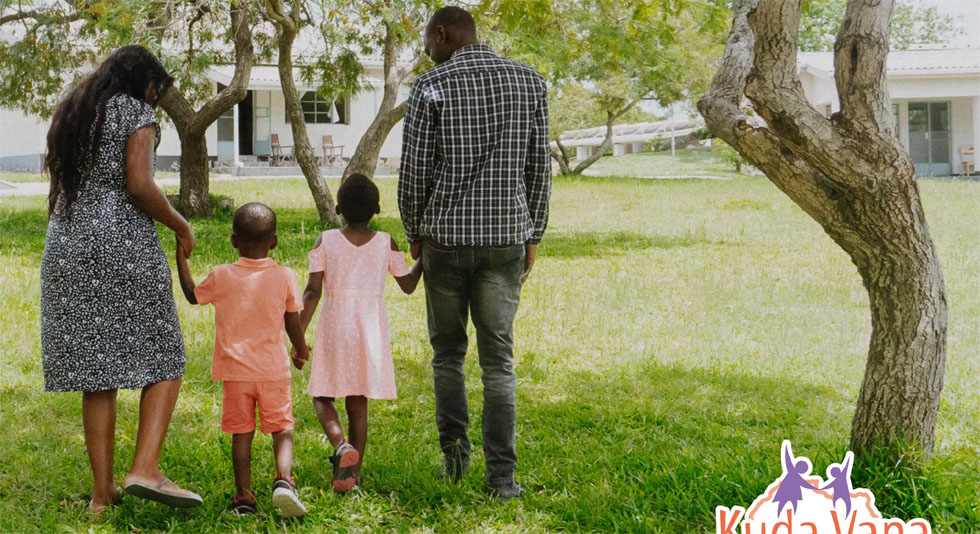
Liberty Dube
Post Correspondent
IN the rolling hills and rural valleys of Manicaland, where the echoes of laughter should ring from children at play, there lies a silent cry for help.
The call comes from orphans and vulnerable children (OVC), who under the care of institutions, find themselves trapped in a cycle of dependence rather than development.
One such institution, designed to shelter 50 children, Kuda Vana Trust in Zimunya, has long provided refuge, food, shelter, education, health and psychosocial support. Behind the walls of the facility, a team of service-providers in programmes, maintenance, finance and administration work tirelessly.
And yet, the annual operational cost remains high, while the outcomes fall short of the transformative promise of true family-based care.
The country’s own policy speaks clearly.
The Zimbabwe National Orphan Care Policy of 1999 stipulates that residential care must be treated as “a matter of last resort”, giving priority to alternative, family-based care. Yet in practice, institutions continue to dominate.
This story is a plea, which is to bolden people’s hearts, shift gears, and invest in what children truly need — a family.
Children flourish in family settings. They learn through social interaction, by observing those around them. In a home, parents or caregivers model good behaviour, instill values, and exist as living examples.
Such environments create accessible, affordable, understandable routines and rules, established and jointly owned by the family. These tangible connections promote order, responsibility, accountability and belonging.
In contrast, the institutional setting often enforces rigid routines and rules not crafted by the children themselves. OVCs may feel anonymity rather than belonging, and accountability becomes distant rather than personal. Under institutional care, a child might not know the rules by heart, and the sense of ownership of those rules is diminished.
Moreover, in a family, there is the ideal situation of father, mother and children living together. That structure in itself is therapeutic.
But in an institution, the staff become “mothers and fathers” of all the children, which is a model that, in the children’s’ minds, can feel artificial, sterile and traumatising.
And then, there is the matter of lifelong development.
In the family, children are groomed to work, to contribute, to understand effort and reward. Institutions often foster dependency, rather than readiness for adulthood.
Recognising these truths, Kudavana Trust, in partnership with Remit Hope, has embarked on a bold initiative to raise US$10 000 to empower communities to protect every child.
The initiative, dubbed Enhancing Community Resilience through Family Strengthening – Phase 1, puts community-based protection and family-based care front and centre. In rural Zimbabwe, thousands of orphans and vulnerable children depend on their surroundings for safety, love and hope.
The programme after raising the intended amount, aims to train over 100 community leaders, including chiefs, councillors, health and child-care workers. With training and resources, they will promote family-based care, protect children in their communities, and create resilient local safety nets.
Kudavana Trust director, Mr William Pepukai, said: “Residential care, proved not to be effective, sustainable, transformative or developmental in nature compared to alternative family-based care. The costs, while high, deliver weaker outcomes than they should. The money, hard though it is to raise, must go where it yields the greatest long-term benefit: in families, not institutions. We urge development partners, the Government, community leaders and citizens in general to consider prioritising family-based care, train community workers, support programmes that enable children, not just to survive, but to thrive. Because a child who grows up in a family environment is likelier to achieve milestones, to form meaningful relationships, to learn by example, and to become a contributor rather than a client.”
He added: “So it is a matter of how many community leaders can be trained to keep that child safe in their village, with a caring guardian, rather than in an institution? How many children will grow up knowing the belonging and ownership of their lives?”
At children’s homes, the inmates receive shelter, food, education and health care. But what they often lack is the feeling of belonging, the daily modelling of values, the independence-ready growth that a family can give. Families may be imperfect, yes, but therein lies their power.
They anchor children to a context of love, challenge, responsibility and growth.