Online Reporter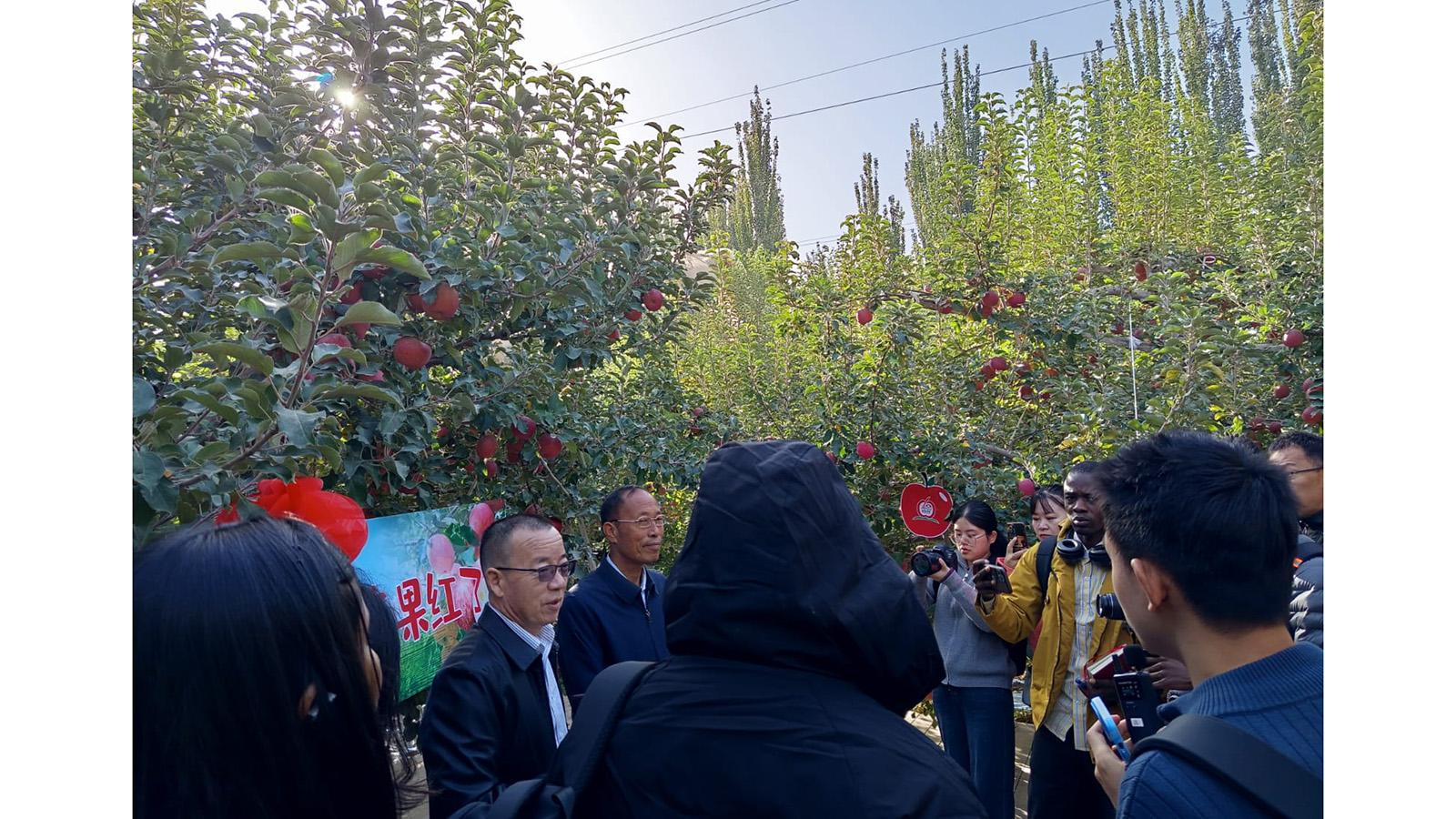
Kuda Bwititi in Aksu, Xinjiang province, China
The city of Aksu, a former desert in China’s Xinjiang Uyghur Autonomous Region, is undergoing a dramatic transformation, altering its arid past into a fertile present through successful agricultural projects that are now drawing international attention.
Aksu’s experience offers a replicable blueprint for agrarian transformation for Zimbabwe and other African countries.
Once a stark desert landscape in the 1980s, the region has been reinvented as a green oasis, a fact highlighted during a tour for dozens of journalists from Africa and other countries on Wednesday. The delegation visited the sprawling 266 000 square-metre Aksu
Apple Orchard, a flagship project that now provides a stable income to over 2 000 local households.
Mr Yao Shilin, the general manager of the project, detailed the orchard’s success in an interview with the Press.
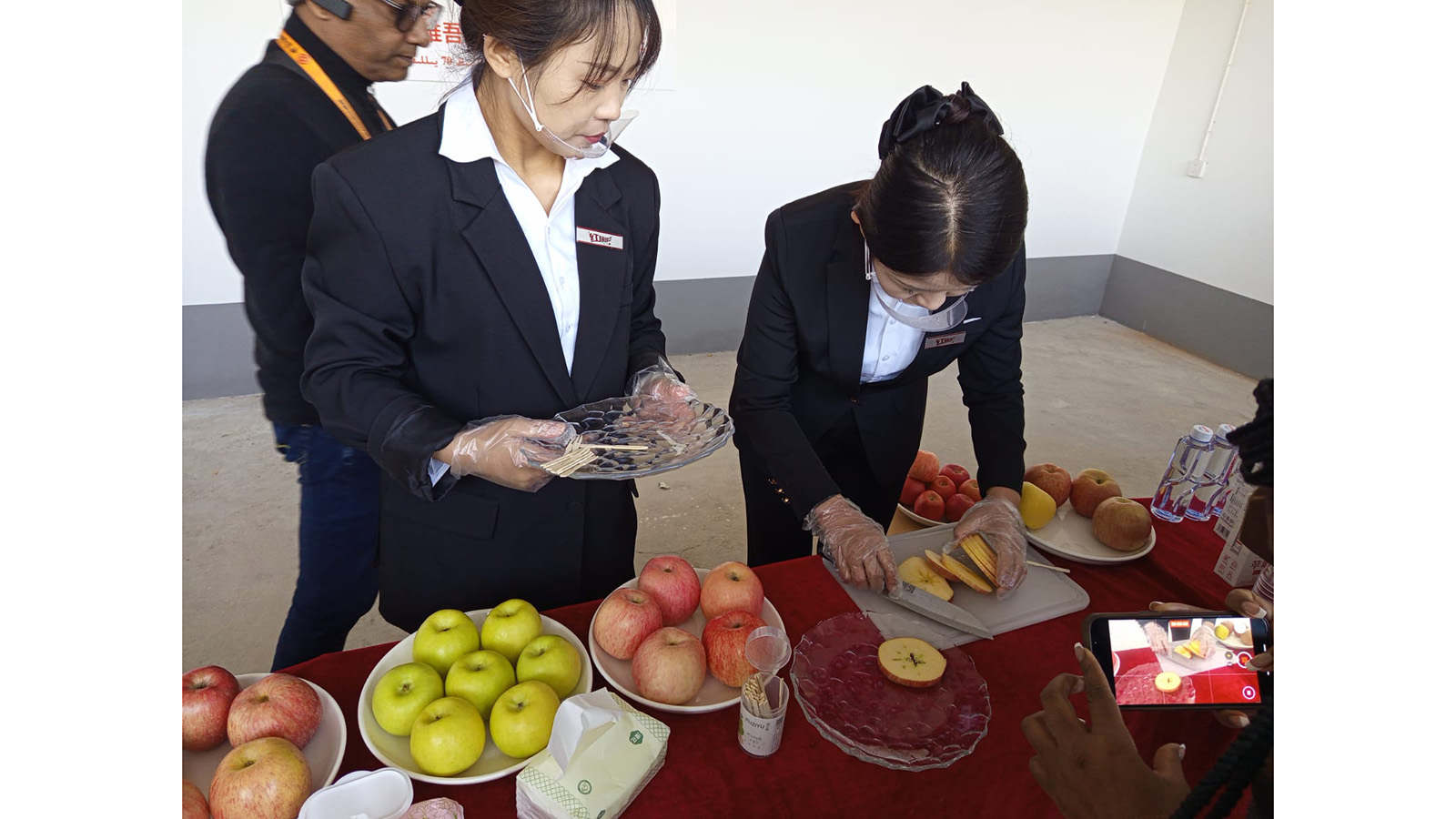
He stated that Aksu now produces the best quality and largest quantity of apples in China, a testament to the region’s remarkable agricultural makeover.
Mr Yao attributed this high yield and premium quality to rigorous, sustainable practices. He explained that the project employs organic farming methods to ensure environmental sustainability. Furthermore, the apple trees receive the topmost care from
agricultural teams, a meticulous approach that guarantees the production of superior fruit.
In addition to the apple orchard, Aksu has also established large forests and green park from areas that were once deserts.
Beyond the renowned orchard, Aksu’s green revolution has reshaped its very geography, establishing vast forests and sprawling green parks where there were deserts.