

 Online Reporter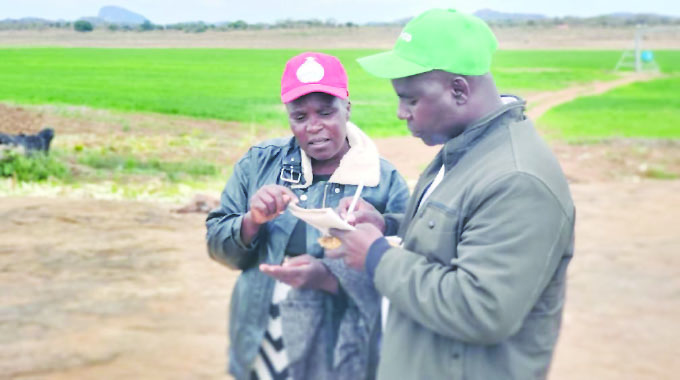
Theseus Shambare recently in Masvingo
IN Masvingo, the jokes come easily.
“Masvingo men,” people say with a grin, “would rather run from an uncle than from a charging bull.”
The joke points to lobola — bride price — that age-old rite where a man formalises his marriage by presenting cattle or cash to his bride’s family.
In beerhall banter and village chatter, Masvingo men have long been painted as dodgers, choosing to cohabit quietly rather than walk into a kraal with cattle in tow.
But behind the humour lies a harsher truth — it is not always about commitment, but about survival.
When lobola was out of reach
For decades, Masvingo’s arid climate and lack of industry meant few opportunities to earn a decent living.
Men took whatever work they could find, often just enough to keep their families fed, let alone afford the thousands of dollars or multiple cattle lobola could demand.
“I have been married for 16 years and never paid lobola,” admits Mr Faso Mabhundu from Chivi.
“It is not that I did not want to — but how do you talk about cattle when your children are hungry?”
Some families came to rely on lobola as a survival tool.
Ms Raviro Chinyama recalls how every visit from a son-in-law was an opportunity to request more money or food.
“It was not greed,” she said. “It was a necessity.”
Irrigation changes the equation
That necessity is now giving way to possibility, thanks to new income streams flowing from Masvingo’s dry soils.
The Bwanya Irrigation Scheme in Chivi and the Pikinini-Jawanda Irrigation Scheme in Mwenezi are changing the economic landscape.
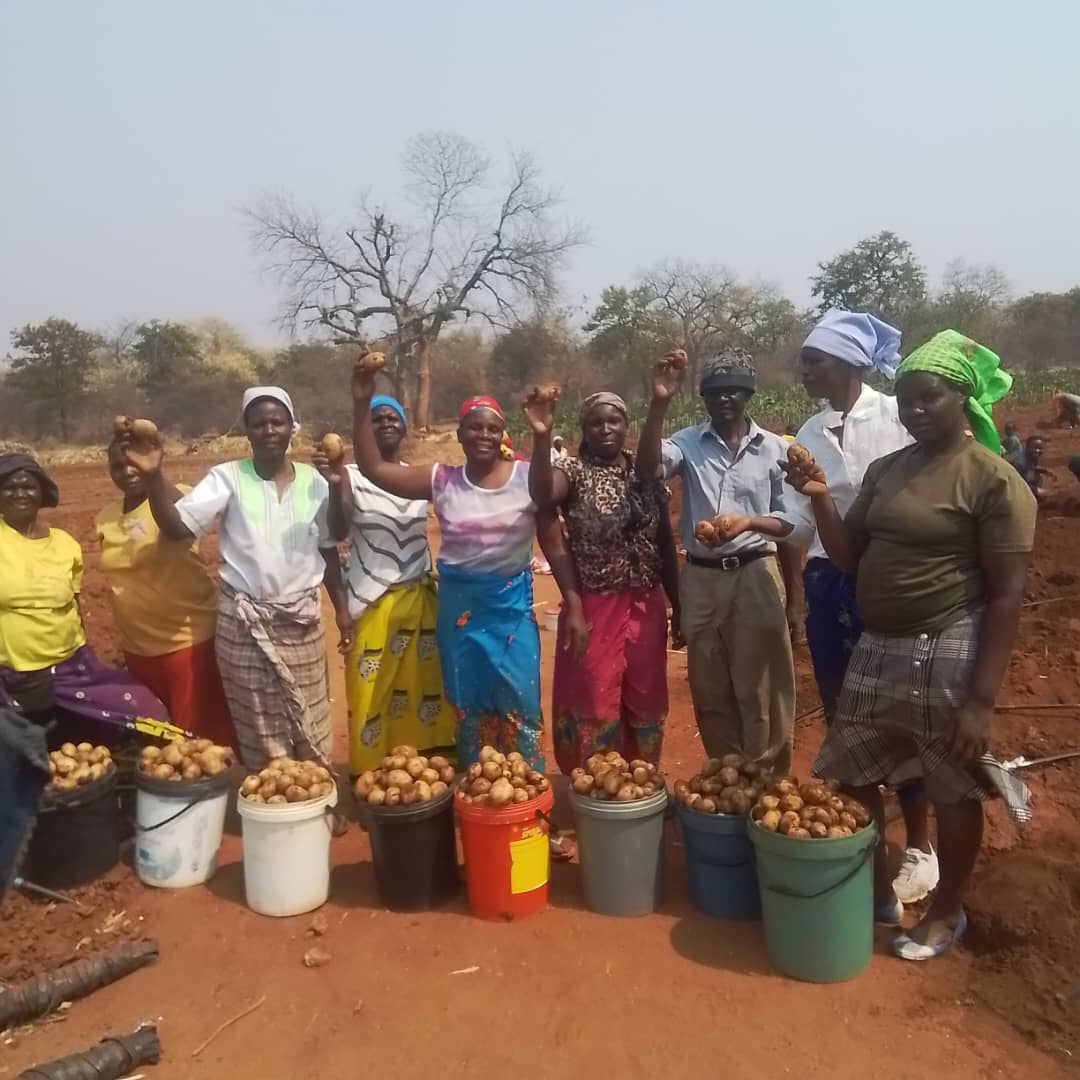
With 156 hectares under irrigation at Bwanya and a thriving crop rotation at Pikinini-Jawanda, hundreds of households now earn steady incomes from maize, wheat, beans and horticulture.
Men who once worked only for survival are now talking about formalising unions and paying lobola in full.
“I dream of driving a fully loaded FunCargo to my parents for the lobola we never did,” said Ms Ennety Makusha, a farmer at
Bwanya.
Her husband, Fredrick, added, “Now it is possible because of irrigation.”
Lobola across the regions
While Masvingo’s story is one of catching up, other regions have had different trajectories.
In Mutoko, Mashonaland East, gold panning has long kept pockets full.
Families here rarely fret over what a son-in-law brings; US$800 and groceries often suffice.
In Mt Darwin, Mashonaland Central, fertile soils and high-value tobacco mean four cattle can secure a wife, although marriage payments never truly end.

The son-in-law, as the saying goes, is “a beehive that never stops producing.”
These contrasts highlight how Masvingo’s arid conditions left many men struggling to meet cultural expectations.
Education and expectations
In Masvingo, tradition meets modern ambition.
Mr Wilson Mukatyei believes lobola should reflect the bride’s education.
“If she went to university, you can’t compare her to someone who stopped at O-level,” he said.
Historically, parents here invested in education because farming was not viable.
That investment, ironically, drove up lobola expectations even when men could not afford them.
Balancing custom and reality
Chief Mawarire, born Eliot Jawanda, acknowledged lobola’s cultural value but warned against making it unattainable.
“Our customs must live,” he said, “but they must not become a wall that stops families from forming.”
The development push
The Bwanya and Pikinini-Jawanda schemes are part of a broader programme by the Government of Zimbabwe, the United
Nations Development Programme (UNDP) and the Green Climate Fund, aimed at building climate-resilient livelihoods.
Beyond boosting food production, these projects are creating employment in Masvingo Province.
For some men, this means finally gathering the resources to pay lobola without debt or delay.
Ms Christine Mudau says the shift is overdue.
“For years, men from Masvingo were blamed for not taking responsibility, but nature had disadvantaged them. Without economic activities, how could they?”
A cultural turnaround
Where Masvingo men were once the butt of jokes about dodging uncles, they are now preparing to arrive at kraals with cattle, cash, and groceries.
As one Mwenezi farmer joked while tying up bags of maize for sale:
“Now that we have money, uncles must start getting worried — because we are coming with cattle.”



 Bongani Ndlovu