admin
admin
Dalithemba Mdlongwa
From its humble beginnings in a garage to its current status as a global technology giant, join us as we explore the incredible journey of Microsoft. From the release of its groundbreaking Windows Operating System to its expansion into new markets like gaming and cloud computing, this case study will dive into the challenges and triumphs of one of the most influential companies in the world.
Bill Gates and Paul Allen were childhood friends who shared a passion for computer programming. They first met in the late 1960s, when they were both students at Lakeside School, a private school in Seattle, Washington.
In the early 1970s, Gates and Allen became interested in the emerging field of personal computers, and they began working on software projects together. In 1972, they co-wrote a version of the BASIC programming language for the Altair 8800, one of the first personal computers. This project was a success, and it helped to establish Gates and Allen as leaders in the nascent personal computer industry.
In 1975, Gates and Allen officially founded Microsoft as a partnership. They established the company in Albuquerque, New Mexico, and initially focused on developing software products for the Altair and other personal computers.
Over the next several years, Microsoft grew rapidly, as the demand for personal computers and software products increased. Gates and Allen worked closely together to develop new products and expand the company’s reach.
Despite their close relationship and shared passion for computer programming, Gates and Allen had different roles within Microsoft. Gates was the CEO and primary software developer, while Allen focused on business development and strategy.
The success of Microsoft in its early years was due in large part to the vision and leadership of Gates and Allen, and their ability to work together as a team. They were able to identify and capitalise on opportunities in the rapidly-growing personal computer industry, and their innovative software products helped to shape the direction of the industry.
Windows is an operating system developed by Microsoft that is used on personal computers and other devices. The first version of Windows was released in 1985, and it quickly became the dominant operating system for personal computers.
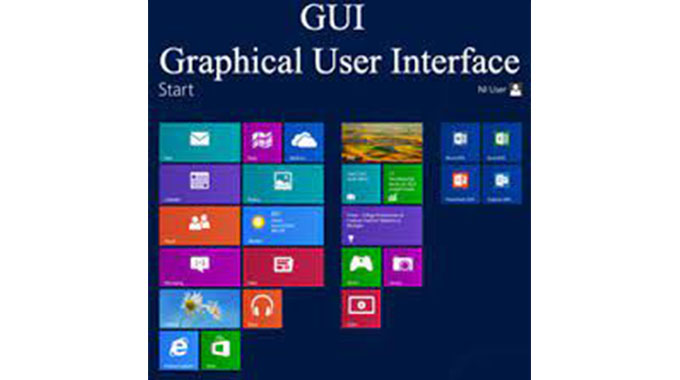
The key idea behind Windows was to provide a graphical user interface (GUI) that would make it easier for users to interact with their computers. Prior to the release of Windows, personal computers used command-line interfaces, which required users to type in commands to perform tasks. The GUI provided by Windows used visual elements such as icons, menus, and windows to allow users to interact with the computer in a more intuitive and user-friendly way.
Windows was a major success for Microsoft, and it helped to fuel the rapid growth of the personal computer industry.
Over the years, Microsoft has released numerous updates and improvements to the Windows operating system, and it has remained the dominant operating system for personal computers. Microsoft Office is a suite of productivity software developed by Microsoft. It includes a range of applications such as Word, Excel, PowerPoint, and Outlook that are used for tasks such as word processing, spreadsheet creation, presentation creation, and email management.
The first version of Microsoft Office was released in 1988, and it has since become one of the most widely used productivity software suites in the world. Microsoft Office is used by individuals, businesses, and organisations of all sizes, and it is available in a range of versions to meet the needs of different users.

Like Windows, Microsoft Office has undergone numerous updates and improvements over the years, and it has remained a key product for Microsoft. The success of Windows and Microsoft Office has helped to establish Microsoft as a leader in the technology industry. Over the years, Microsoft has continued to innovate and expand its product offerings. The company has released numerous updates to the Windows operating system, and has also developed a range of other software products, including the Microsoft Office suite of productivity software and the Internet Explorer web browser.
In addition to its software products, Microsoft has also entered new markets, including hardware and services. The company has released personal computers, tablets, and gaming consoles, and has also expanded into cloud computing with its Azure platform.
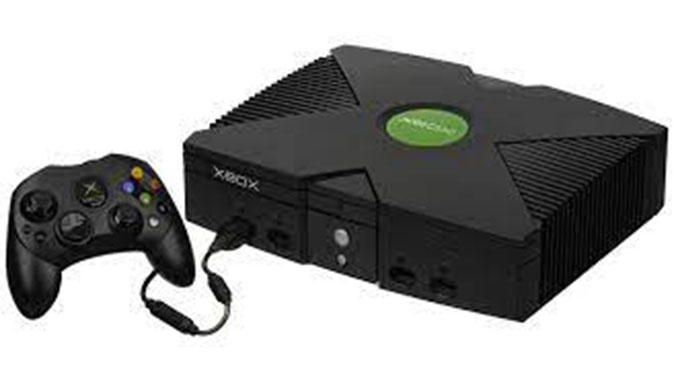
Microsoft first entered the gaming industry in 2001 with the release of the Xbox, a gaming console that competed with other popular consoles such as the PlayStation and Nintendo GameCube. The Xbox was a major success for Microsoft, and it helped to establish the company as a major player in the gaming industry.
Over the years, Microsoft has released several updates to the Xbox console, including the Xbox 360 in 2005 and the Xbox One in 2013. In addition to the Xbox console, Microsoft has also developed a range of other gaming products and services, including the Xbox Live online gaming service, the Xbox Game Pass subscription service, and the Xbox Game Studios game development division.
Microsoft entered the cloud computing market in 2010 with the release of the Azure platform. Azure is a cloud computing platform that provides a range of services such as computing, storage, networking, analytics, and artificial intelligence. It is used by businesses, organisations, and developers to build, deploy, and manage applications and services.
Azure has become a key product for Microsoft, and it has helped the company to expand its reach and broaden its business beyond traditional software and hardware products. Azure has been a major success for Microsoft, and it has helped to establish the company as a leader in the cloud computing industry.
Microsoft has also made a number of acquisitions over the years, including LinkedIn, Skype, and Github. However, not all of its acquisitions have been successful, and the company has also experienced some failed ventures, such as its foray into mobile phone hardware with the release of the Windows Phone. One of Microsoft’s most significant acquisitions was LinkedIn, a social networking platform for professionals that was acquired in 2016 for $26,2 billion. The acquisition of LinkedIn was seen as a strategic move for Microsoft, as it gave the company access to a large and engaged user base, as well as a range of data and analytics capabilities.
Another significant acquisition was Skype, a communication platform that was acquired by Microsoft in 2011 for $8,5 billion. Skype is a popular platform for video and voice calls, and its acquisition helped Microsoft to expand its presence in the communication and collaboration market.
Microsoft has also made several smaller acquisitions, including Github, a developer collaboration platform that was acquired in 2018 for $7,5 billion. These acquisitions have helped Microsoft to broaden its product offerings and expand its reach in key markets.
Like any company, Microsoft has faced challenges in its acquisitions. One of the main challenges is integrating the acquired company into the larger organisation. This can be difficult, as different companies have different cultures, processes, and systems. It is important for Microsoft to carefully manage the integration process to ensure that the acquired company’s assets and capabilities are effectively integrated into the larger organisation.
Another challenge is the financial risk associated with acquisitions. When a company acquires another company, it is taking on additional financial obligations, such as the cost of the acquisition and the potential liabilities of the acquired company.
It is important for Microsoft to carefully evaluate the financial risks and potential returns of each acquisition to ensure that they are making sound business decisions. Microsoft has made a number of acquisitions over the years, and not all of them have been successful. One example of a failed acquisition is the company’s foray into mobile phone hardware with the release of the Windows Phone.
The Windows Phone was a smartphone operating system developed by Microsoft that was released in 2010.
It was intended to compete with other popular smartphone operating systems such as Android and iOS. However, the Windows Phone failed to gain significant market share and struggled to compete with its rivals. As a result, Microsoft eventually decided to discontinue the Windows Phone and shift its focus to other products and services.
Another example of a failed acquisition is the acquisition of aQuantive, an online advertising company, in 2007 for $6.3 billion. The acquisition of aQuantive was intended to help Microsoft expand its presence in the online advertising market, but the company struggled to compete with its rivals and eventually wrote off most of the value of the acquisition.
These failed acquisitions illustrate the risks and challenges that companies face when they make acquisitions. It is important for companies to carefully evaluate the potential risks and returns of each acquisition to ensure that they are making sound business decisions.
Despite its success, Microsoft has faced a number of challenges over the years. One of the main challenges was the rapid pace of technological change in the computer industry, which required the company to continuously innovate and adapt its products. Another challenge was the intense competition in the software market, as Microsoft faced formidable rivals such as Apple and Google.
In addition, Microsoft has faced legal challenges, including antitrust lawsuits brought by the U.S. Department of Justice and the European Union. Anti-trust refers to laws and regulations that are designed to prevent companies from using their market power to stifle competition and harm consumers. Microsoft has faced several anti-trust challenges over the years, including investigations and lawsuits brought by the U.S. Department of Justice and the European Union.
One of the main anti-trust challenges faced by Microsoft was the allegation that the company used its dominance in the personal computer operating system market to stifle competition and harm consumers. In the 1990s and early 2000s, Microsoft was accused of using its control over the Windows operating system to favor its own products and services, and to disadvantage its competitors.
To address these challenges, Microsoft entered into a settlement with the U.S. Department of Justice in 2002, in which it agreed to modify its business practices and make it easier for other companies to develop software products that were compatible with Windows. Microsoft also reached a settlement with the European Union in 2004, in which it agreed to similar concessions.
These settlements helped to resolve the anti-trust challenges faced by Microsoft, and the company has since taken steps to ensure that it is in compliance with anti-trust laws and regulations. Despite these challenges, Microsoft has remained a dominant player in the technology industry, and it has continued to innovate and adapt to changing market conditions.
To address these challenges, Microsoft has implemented a number of strategies. One of the main strategies has been to focus on innovation and continuously update and improve its products. The company has also sought to diversify its business, expanding into new markets such as cloud computing, gaming, and hardware. In addition, Microsoft has sought to build strong relationships with its customers and partners, and has invested in research and development to stay at the forefront of technological change.
Despite the challenges it has faced, Microsoft has remained a dominant player in the technology industry. The company’s focus on innovation and diversification has helped it to adapt to changing market conditions and maintain its competitive edge. Today, Microsoft is a global leader in the development of software, hardware, and services, with a market value of over $2 trillion. This impressive accomplishment is a testament to the vision and leadership of founders Bill Gates and Paul Allen, who were able to build a company that has had a profound impact on the world.
As this case study has demonstrated, the journey of Microsoft is a testament to the importance of friends that build together. The partnership between Gates and Allen was a key factor in the success of Microsoft, as their shared passion for computer programming and their complementary skills enabled them to work effectively as a team. Their ability to identify and capitalise on opportunities in the rapidly-growing personal computer industry helped to establish Microsoft as a leader in the technology industry, and their legacy will continue to inspire future generations of entrepreneurs and innovators.



 Online Reporter