Online Reporter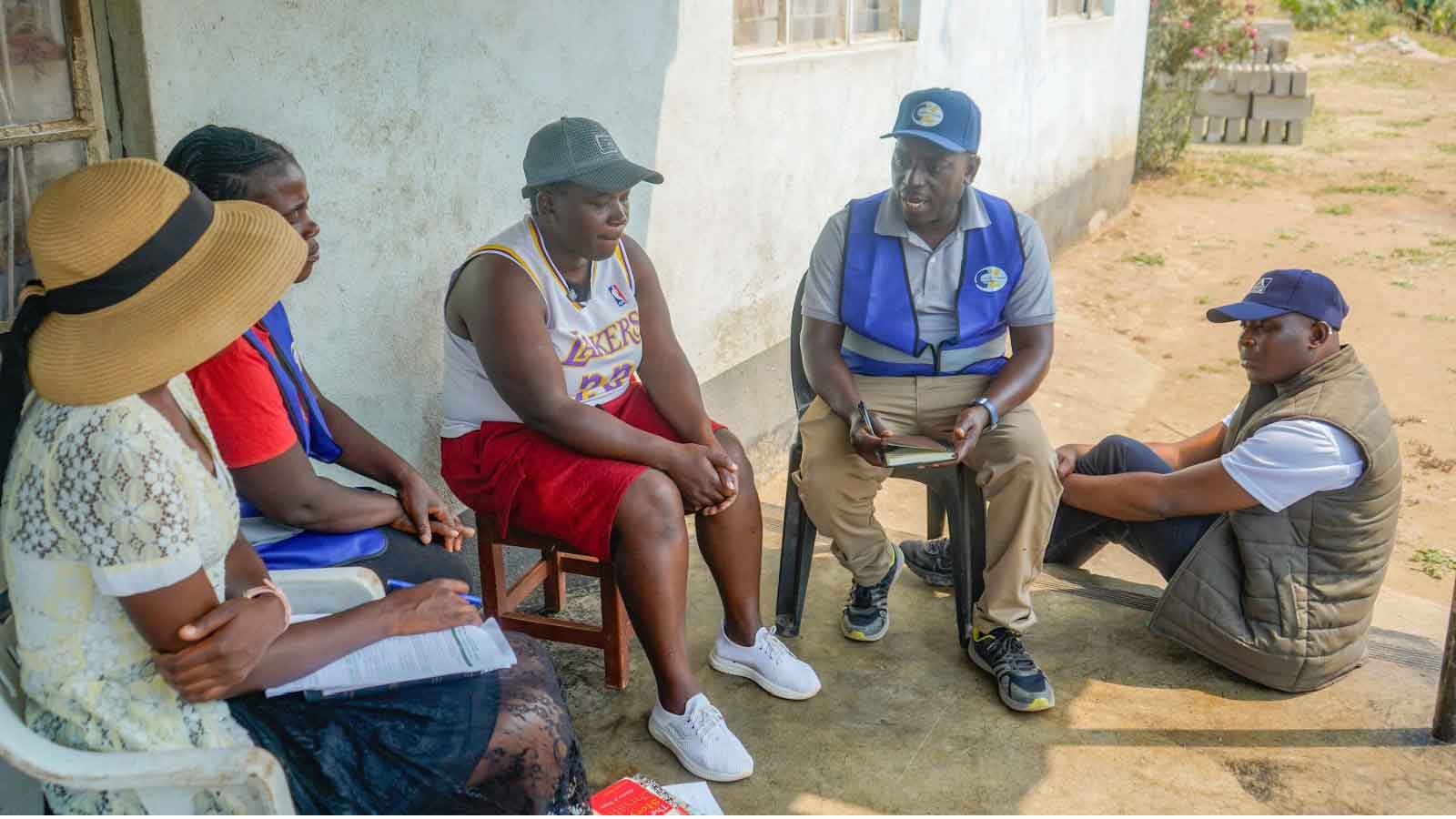
Roselyne Sachiti
THE waters of Lake Kariba, usually a source of livelihood and tranquillity for the fishing communities along its shores, turned into a scene of unimaginable tragedy when a ferry, Mbuya Nehanda, capsized on August 11, 2026.
The ferry accident claimed 97 lives, shattering families and leaving a community to grapple with profound loss.
A total of 77 people were rescued from the ferry disaster. Survivors and bereaved families alike were left with emotional scars that may take years to heal.
In the aftermath of the disaster, as the nation mourned, Nyaradzo Group provided transport, through its community social responsibility initiative, for a team of counsellors, psychologists and chaplains from Xtreme Trans Foundation to travel to Kariba on September 4 to provide psychosocial support.
The response by Nyaradzo Group also complemented the Government’s ongoing work to ensure that the bereaved families and survivors receive immediate psychosocial support, spiritual care and trauma counselling.
The team’s destination was the lakeshore wards of Nyamhunga and Mahombekombe.
The group was led by Jacky Anderson of Miracle Missions Vimba.
What the team encountered was a community simultaneously broken and remarkably resilient.
A community that welcomed strangers
Despite their grief, families and local leaders welcomed the team with remarkable openness.
“People were ready to talk, ready to be prayed with — a testament to the trust they placed in those who had come to help.
“The spirit of Ubuntu was palpable. Neighbours were supporting each other with food, shelter and childcare,” according to a field visit report titled “Psychological Support to Kariba boat tragedy families” complied by the team.
Even in the depths of their pain, the community held together, refusing to let grief tear them apart. Local pastors and volunteers mobilised families quickly, helping the team access affected households.
The presence of a multidisciplinary team — counsellors, psychologists and chaplains working side by side — meant that emotional, mental and spiritual needs could be addressed in a single visit.
Perhaps most touching in the report was the resilience of the children.
“Despite losing parents, siblings and relatives, many expressed a desire to return to school. They asked for books, uniforms and counselling,” the report stated.
This was a heartbreaking yet hopeful reminder that even in darkness, the young still dream of a future.
Lessons written in tears
The team learned that trauma in Kariba was layered. It was not just grief.
It was grief compounded by poverty, fear of the lake and fear of the future.
Counselling alone could not heal wounds that were also economic and social, the report further pointed out.
“You cannot counsel without addressing basic needs.”
Faith emerged as a powerful coping mechanism.
According to the report, prayer, scripture and chaplaincy brought the most comfort to families in those first difficult days.
Spiritual care, the team realised, must be an integral part of any disaster response.
“Children grieve differently. Some were quiet, some were angry, some were ‘being strong for mom’. They need age-appropriate, ongoing support, not just one visit,” the visiting team further said.
The community yearns for prevention.
Beyond counselling, they kept asking: “How do we stop this from happening again?”
Healing, the team understood, must include safety. Prevention must be part of the conversation.
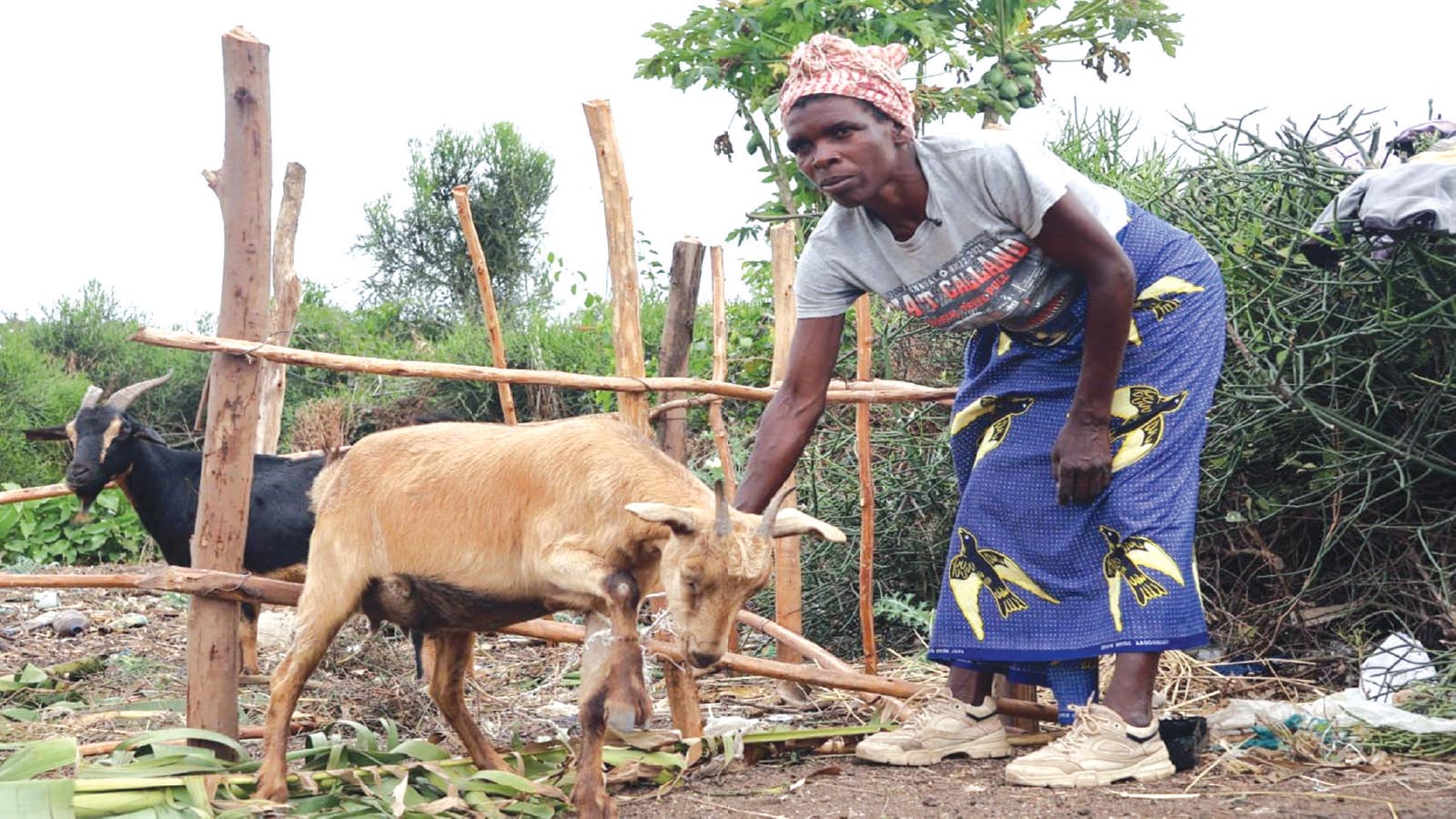
Women carried the heaviest burden. Most widows the team met were now sole breadwinners with no income. Their mental health was directly tied to economic stability. Without livelihood support, their grief would only deepen.
A road map for healing
The team left Kariba with clear recommendations. In the immediate term, ongoing counselling, weekly group and individual sessions for survivors, children and bereaved families should be rolled out for at least six months.
Emergency support packages including food and school fees would reduce stress on affected families.
Community counsellors should be trained — two people per ward — in psychological first aid so that support continues long after the professionals leave.
In the medium term, a child support programme should be established to register all new opharns and vulnerable children and link them to education, food and protection, the team recommended.
Widows need livelihood support — IGA training and cash transfers — to restore dignity and reduce anxiety and depression.
Safety and healing workshops, the report noted, should bring the community together, linking trauma healing with boat safety education.
Pain and resilience
The pain in Kariba is deep, but so is the resilience.
Families are not asking for handouts only. They are asking to be seen, heard and supported to rebuild their lives.
As the counsellors, psychologists and chaplains departed, they carried with them a clear mandate: Healing must happen alongside food, school and safety.
The lake may have taken their loved ones, but it cannot take their hope, not if the nation stands with them.
In Kariba, grief and hope coexist. And with the right support, the community can begin to heal.