Blessings Chidakwa
Senior Reporter
WILDLIFE AMBASSADOR First Lady Dr Auxillia Mnangagwa has applauded strengthened partnerships and collective responsibility in protecting Zimbabwe’s wildlife and natural heritage, while emphasising the importance of conservation approaches that also improve the livelihoods of surrounding communities.
Dr Mnangagwa said sustainable wildlife conservation required a shared vision among Government, development partners, diplomatic missions, conservation organisations and local communities.
The First Lady was speaking in Harare yesterday during the launch and socialisation of the Protected Area Management Plans under the Zimbabwe Parks and Wildlife Management Authority (ZimParks), covering the period 2026-2035.
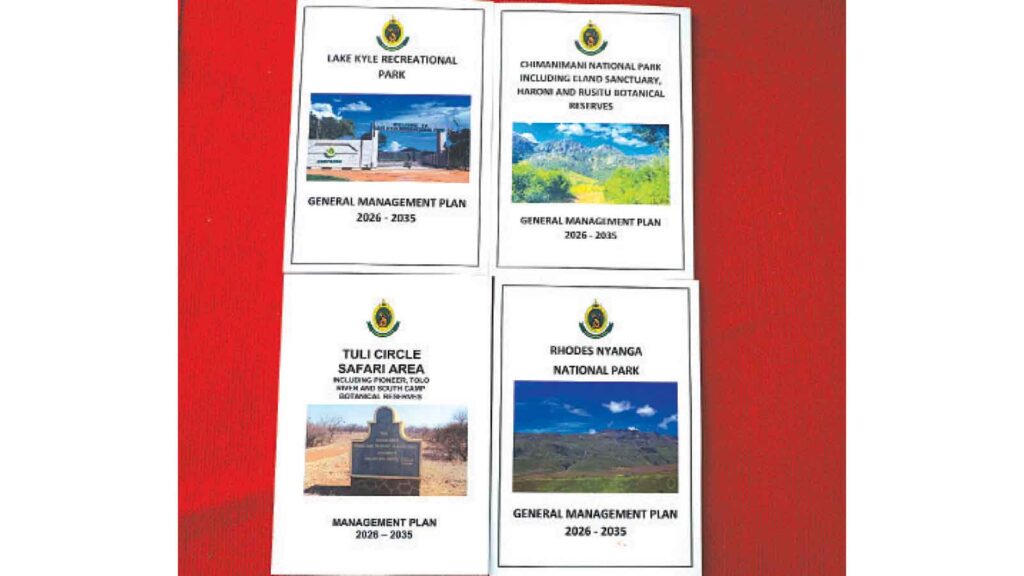
The plans cover the Chimanimani and Nyanga national parks, Kyle Recreational Park and Tuli Circle Safari Area, providing a framework for strengthened planning, protection and sustainable management of the country’s protected areas.

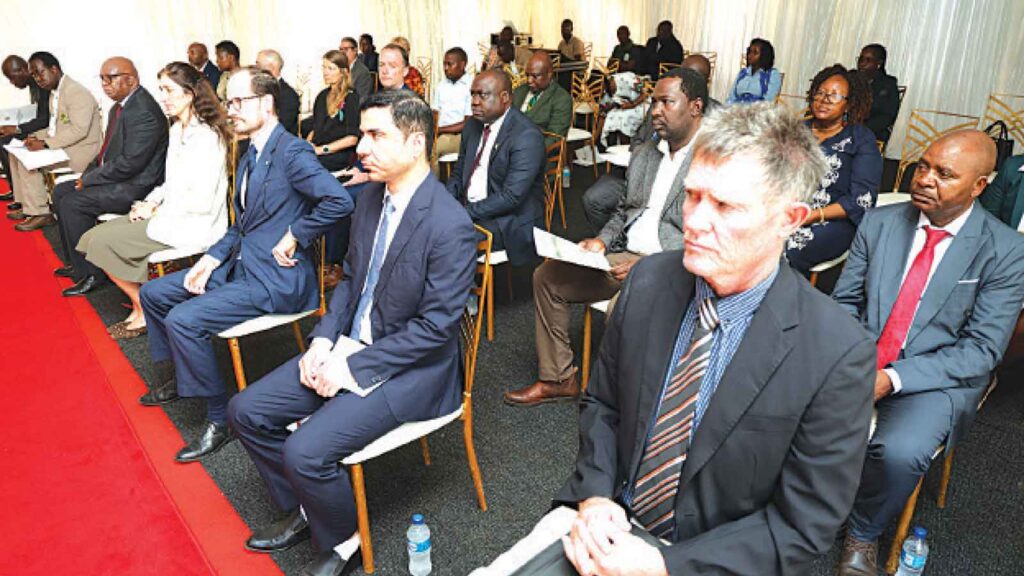
The launch brought together diplomats, conservation partners and senior Government officials, reflecting the importance of international cooperation in safeguarding the country’s natural heritage.
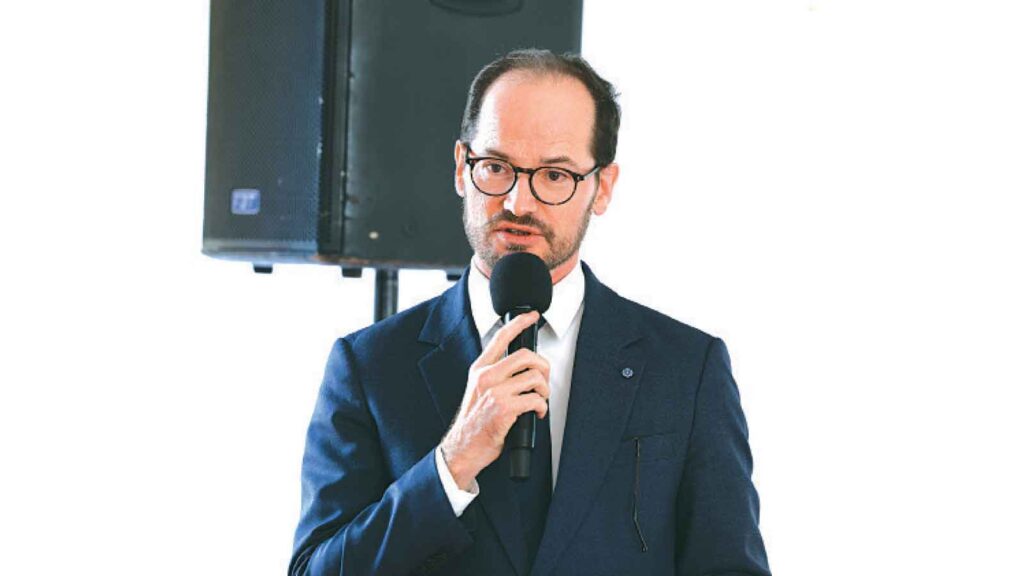
Among those present were French Ambassador to Zimbabwe Paul-Bertrand Barets and representatives of the diplomatic missions of the United Arab Emirates, China, the European Union, the United Kingdom and Germany. In her address, the Wildlife Ambassador said the launch of the management plans must mark the beginning of a new era characterised by deliberate, results-driven action and a strong focus on implementation.
“A management plan is only as effective as the commitment, resources and accountability invested in its implementation.
“I firmly believe that the conservation of our natural and cultural heritage is not merely an environmental responsibility where we need to tick national and multilateral obligations performance boxes. It is an economic, social and moral obligation that we owe to present and future generations.”
Dr Mnangagwa called for conservation approaches that recognise communities as partners, create sustainable livelihood opportunities and ensure that the benefits of conservation are felt at household level.
“We must continue to promote conservation approaches that recognise communities as partners, provide opportunities for sustainable livelihoods and ensure that the benefits of conservation are increasingly felt at household level,” she said.
“As we strive to achieve community development that reaches household level, let us be alive to the need to fulfil the development principle and policy of the Government of Zimbabwe, under the able leadership of His Excellency, the President of the Republic of Zimbabwe, Dr Emmerson Dambudzo Mnangagwa, of leaving no one and no place behind.”
The First Lady underscored the importance of placing communities at the centre of conservation efforts, saying their participation and tangible benefits were essential to the long-term protection of wildlife.
“Our communities living alongside protected areas are critical partners in safeguarding our natural and cultural heritage. They experience the realities of living close to wildlife and natural ecosystems and must, therefore, be meaningfully involved in decisions and initiatives that affect their livelihoods,” she said.
The First Lady urged ZimParks, Government institutions, traditional leaders and development partners to ensure that the management plans translated into practical interventions that addressed conservation challenges and improved community livelihoods.
“Our traditional leaders have an important role to play in promoting environmental stewardship, mobilising communities and fostering a culture of responsible natural resource management,” she said.
“Let us continue working together to ensure that communities view conservation not as a restriction on their development aspirations, but as an opportunity for sustainable development and improved livelihoods.”
Dr Mnangagwa commended the governments of Zimbabwe and France for the cooperation that facilitated the development of the management plans through the Study and Capacity Building Fund programme. She also acknowledged the contributions of the French Development Agency, BirdLife Zimbabwe, ZimParks and the Ministry of Environment, Climate and Wildlife in advancing structured and coordinated conservation planning.
“This partnership demonstrates the importance of international cooperation in supporting national conservation and development priorities,” she said. “It is, therefore, encouraging to witness the development of these comprehensive 10-year management plans, which provide clear strategic direction for the management not only of our protected areas but also of surrounding land uses.”
The Wildlife Ambassador called for sustained cooperation among Government, diplomatic missions, development partners and communities in safeguarding the country’s natural heritage. “The responsibility to protect it does not rest with Government or ZimParks alone. It requires the participation of every Zimbabwean, all strategic partners and diplomatic partners,” she said.

Dr Mnangagwa said particular attention should be given to addressing human-wildlife conflict, habitat degradation, poaching, the impacts of climate change and other emerging threats to natural ecosystems.
She said the management plans should provide practical solutions to mitigating these challenges.
“Our wildlife and natural ecosystems are among the country’s most valuable national assets. They contribute to tourism development, employment creation, livelihoods, ecological stability and the overall well-being of our communities,” she said.
Dr Mnangagwa, who is also the Tourism and Hospitality Patron, called on stakeholders to explore opportunities for sustainable tourism development, conservation education, research and community-based enterprises.
ZimParks director-general Professor Edson Gandiwa commended the First Lady’s commitment to conservation, saying the four management plans had been developed in partnership with AFD, BirdLife Zimbabwe and other conservation partners.
Prof Gandiwa said ZimParks had 24 approved and active Protected Area Management Plans and five Species-Specific Management Plans, with more than five others expected in 2027 and 2028.
He said each plan covered 10 years, with rolling three-year activity plans to guide implementation.
“The main purpose of the plan is to identify threats in the form of a matrix, in order of magnitude of threat. The plan goes a way forward to proffer practical ways to control and mitigate the threats,” he said.
He identified climate change, veld fires, invasive alien species, mining, poaching and encroachment as some of the major threats facing protected areas.
The planning process, Prof Gandiwa said, involved consultations with local communities, traditional leaders, Government departments and conservation partners.
He thanked the French Development Agency for funding the exercise through the Study and Capacity Building Fund programme, implemented in partnership with BirdLife Zimbabwe and ZimParks.
He said ZimParks remained open to further partnerships in conservation and community development.
“We are never fully subscribed in conservation and community development projects. We welcome more synergies and collaborations,” he said.
He said existing community initiatives included human-wildlife conflict mitigation, solar-powered boreholes, environmental awareness programmes and nutritional gardens.
Ambassador Barets said France, through the French Development Agency, was proud to have supported the review of the 10-year management plans for key national parks covering the period 2026 to 2036.
“Zimbabwe has much more to offer than Victoria Falls, Mana Pools or Hwange National Park, which are beautiful places. Zimbabwe is much bigger than that and even more beautiful,” he said. He said France would continue supporting biodiversity conservation in Zimbabwe as an important component of the two countries’ dynamic bilateral partnership. One of the planning consultants, BirdLife Zimbabwe chief executive officer Julia Pierini, said conservation was an investment in national development, noting that Zimbabwe had set aside 28 percent of its land for protected areas.
“Conservation is not a cost to national development. It is an investment in national wealth, economic resilience and human well-being,” she said.
She said BirdLife Zimbabwe had served as the planning consultant for three of the protected areas, highlighting the importance of scientific and collaborative approaches.
“Our communities must be partners and beneficiaries of conservation,” she said.
She called for increased investment and partnerships, stressing that the success of the plans depended on their effective implementation.
Acting Permanent Secretary in the Ministry of Environment, Climate and Wildlife Mr Momo Masuka said protected areas remained important in strengthening climate resilience, water security and sustainable livelihoods. He said these areas were becoming increasingly significant in the face of climate change and the threat of El Niño-induced droughts.
“These plans represent a significant milestone in strengthening the protection and sustainable management of our natural heritage. They are aligned with the ZimParks Strategic Plan 2026-2030 and the National Development Strategy 2, which provide the road map towards Vision 2030,” he said.
“As Government, we recognise protected areas as strategic national assets that contribute to biodiversity conservation, sustainable tourism, employment creation, water security and community livelihoods. This is consistent with the national development philosophy of His Excellency, the President, Dr Mnangagwa, of leaving no one and no place behind.”
Representing the Minister of Foreign Affairs and International Trade, Professor Amon Murwira, the ministry’s Permanent Secretary, Ambassador Albert Chimbindi, commended diplomatic missions and other partners for supporting Zimbabwe’s conservation initiatives.
“Your presence demonstrates and is an eloquent testimony to the importance of international solidarity and cooperation in addressing environmental and conservation issues of mutual concern and interest,” he said.
The engagement underscored the importance of continued cooperation between Zimbabwe and its international partners in protecting biodiversity and promoting sustainable environmental management.
Dr Mnangagwa has consistently championed environmental stewardship and peaceful coexistence between communities and wildlife through her various engagements and initiatives across the country.
As Wildlife Ambassador, she continues to advocate for greater awareness of the importance of protecting the country’s natural heritage while ensuring that conservation efforts contribute to the well-being of communities.